On this page Which insects can hurt you All 16 insects Lookalikes When they are active If you are bitten or stung About this list Sources
This page lists 16 insects .
2 are venomous by official accounts. 13 are nonnative.
Not every species: no complete official list of Louisiana insects exists, so this page covers the ones state and Extension sources name. How lists are built .
Which insects can hurt you Official sources single out these insects in Louisiana, in their own words:
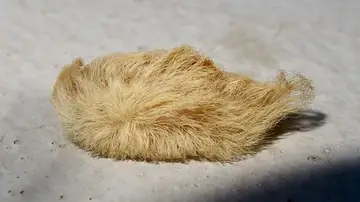
Photo: Judy Gallagher · CC BY 2.0 · Wikimedia Commons Photo: Sue Carnahan · CC BY 4.0 · iNaturalist Venomous spines. “Puss caterpillar stings are instantaneously painful, quickly followed by localized pain that radiates toward regional lymph nodes.” LSU AgCenter
Kissing bugs Disease. “Kissing bugs are of medical concern due to their ability to vector to humans the parasite Trypanosoma cruzi” LSU AgCenter
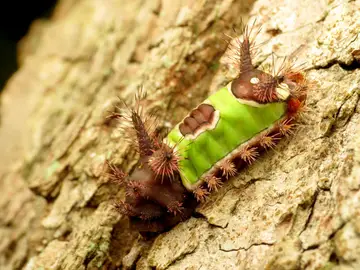
Photo: Katja Schulz · CC BY 4.0 · iNaturalist Saddleback Caterpillar Stinging caterpillar. “It is reputed by many experts to be the most dangerous caterpillar in North America” LSU AgCenter
All 16 insects Venomous species first, then A to Z. Do not handle them.
Photo: Sue Carnahan · CC BY 4.0 · iNaturalist Megalopyge opercularis
Venomous per LSU AgCenter
Danger to people “Puss caterpillar stings are instantaneously painful, quickly followed by localized pain that radiates toward regional lymph nodes.” LSU AgCenter Size About 1 inch long per most extension sources; full-grown larvae reared by UF/IFAS reached about 1.4 inches (1.6 inches including the tail). MDC says about 1.5 inches. How to recognize it Teardrop shape with hairs tapering to a tail; looks like a tiny mouse or a cat Resembles a tiny mouse; younger larvae have a thick tuft of hair like a tail. Older larvae can look unkempt, with sparser hair that hides the stinging spines less well (VCE). Venomous hollow spines hidden under the soft hair
J F M A M J J A S O N D
83 records by month. What the sources say Venom: “On contact, the spines will break away, releasing venom.” (LSU AgCenter)
Full Puss Moth Caterpillar guide
Photo: Katja Schulz · CC BY 4.0 · iNaturalist Saddleback Caterpillar Venomous per LSU AgCenter
Danger to people “It is reputed by many experts to be the most dangerous caterpillar in North America” LSU AgCenter What the sources say Venom: “Then thoroughly wash the area with soap and water to help remove irritating venom.” (LSU AgCenter)
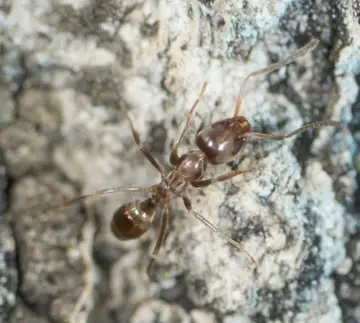
Photo: Jesse Rorabaugh · CC0 1.0 · iNaturalist Argentine Ant Linepithema humile
Not stated Invasive
Venom No official source we use states whether this animal is venomous. That does not mean it is harmless: do not handle it. No confirmed photo of Asian Tiger Mosquito Asian Tiger Mosquito Aedes albopictus
Not stated Invasive
Venom No official source we use states whether this animal is venomous. That does not mean it is harmless: do not handle it.
J F M A M J J A S O N D
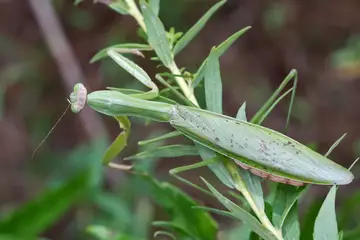
40 records by month. Photo: Bill Keim · CC BY 4.0 · iNaturalist Chinese Mantis Tenodera sinensis
Not stated Nonnative
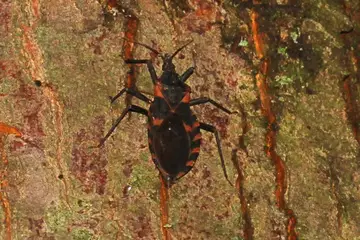
Venom No official source we use states whether this animal is venomous. That does not mean it is harmless: do not handle it. Photo: Judy Gallagher · CC BY 2.0 · Wikimedia Commons Eastern Conenose (kissing bug) Triatoma sanguisuga
Not stated
Venom No official source we use states whether this animal is venomous. That does not mean it is harmless: do not handle it.
J F M A M J J A S O N D
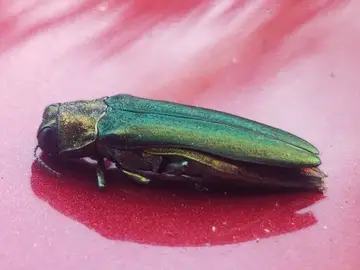
43 records by month. Photo: Brandon McCracken · CC BY 4.0 · iNaturalist Agrilus planipennis
Not stated Invasive
Venom No official source we use states whether this animal is venomous. That does not mean it is harmless: do not handle it. Size About 3/8 to 1/2 inch long and 1/8 inch wide; small enough to fit on a penny How to recognize it Slender, bullet-shaped body Signs on ash trees: S-shaped galleries under the bark and D-shaped exit holes about 1/8 inch across Tree symptoms: dead branches near the top, sprouts on the trunk, vertical bark cracks, and woodpecker 'blonding' Full Emerald Ash Borer guide
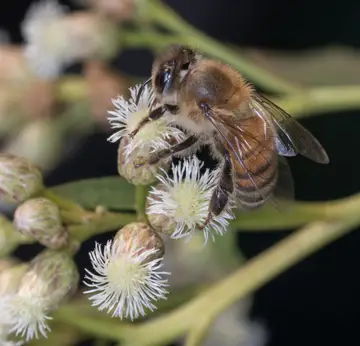
Photo: Jesse Rorabaugh · CC0 1.0 · iNaturalist Apis mellifera
Not stated Invasive
Venom No official source we use states whether this animal is venomous. That does not mean it is harmless: do not handle it. Size About 10 percent smaller than a European honey bee, a difference too subtle to see without measurement or lab tests. How to recognize it Cannot be identified by eye: only DNA testing or microscopic measurements can tell it from a European honey bee. Clue is behavior and nest site: very defensive, and may nest in small cavities such as water meter boxes, old tires, house eaves or the ground.
J F M A M J J A S O N D
390 records by month. Full European Honeybee guide
No confirmed photo of Formosan Termite Formosan Termite Coptotermes formosanus
Not stated Invasive
Venom No official source we use states whether this animal is venomous. That does not mean it is harmless: do not handle it. No confirmed photo of Ghost Ant Ghost Ant Tapinoma melanocephalum
Not stated Nonnative
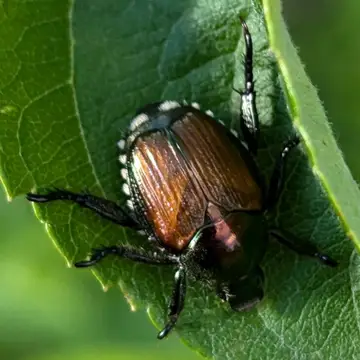
Venom No official source we use states whether this animal is venomous. That does not mean it is harmless: do not handle it. Photo: Emmett Collins-Sussman · CC BY 4.0 · iNaturalist Popillia japonica
Not stated Nonnative
Venom No official source we use states whether this animal is venomous. That does not mean it is harmless: do not handle it. Size Adults about 1/3 to 1/2 inch long (WSDA); 7/16 inch (Kentucky); 3/8 inch long and 1/4 inch wide (Iowa State). How to recognize it Row of five white hair tufts on each side of the abdomen Leaves eaten between the veins look lace-like (skeletonized) Full Japanese Beetle guide
No confirmed photo of Longhorn Crazy Ant Longhorn Crazy Ant Paratrechina longicornis
Not stated Nonnative
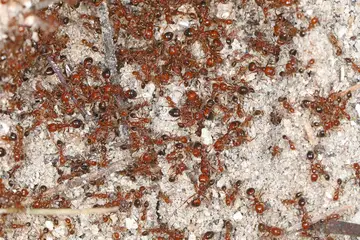
Venom No official source we use states whether this animal is venomous. That does not mean it is harmless: do not handle it. Photo: Judy Gallagher · CC BY 2.0 · Wikimedia Commons Red Imported Fire Ant Solenopsis invicta
Not stated Invasive
Venom No official source we use states whether this animal is venomous. That does not mean it is harmless: do not handle it. Danger to people “Readily bites and inflicts painful stings.” LDWF species profile: Red Imported Fire Ant Where in Louisiana Statewide LDWF species profile: Red Imported Fire Ant
J F M A M J J A S O N D
220 records by month. What the sources say Habitat: All habitats, especially disturbed areas (LDWF species profile: Red Imported Fire Ant)
No confirmed photo of Southern House Mosquito Southern House Mosquito Culex quinquefasciatus
Not stated Nonnative
Venom No official source we use states whether this animal is venomous. That does not mean it is harmless: do not handle it. No confirmed photo of Tawny Crazy Ant Tawny Crazy Ant Nylanderia fulva
Not stated Nonnative
Venom No official source we use states whether this animal is venomous. That does not mean it is harmless: do not handle it. No confirmed photo of Yellow Fever Mosquito Yellow Fever Mosquito Aedes aegypti
Not stated Invasive
Venom No official source we use states whether this animal is venomous. That does not mean it is harmless: do not handle it. Insects and Bugs people confuse Emerald ash borer or Japanese beetle? Listed by the Minnesota Department of Agriculture and DNR among insects confused with EAB. The sheet gives photos, not a written test.
Africanized Honey Bee or European honey bee? Not by sight: same species and same appearance. Differences are behavior and nest choice, and a confirmed ID needs testing.
Photos show typical adults; individuals vary. Never get close to compare.
When insects are active in Louisiana Records of insects in Louisiana peak in April to August. They show when people record insects, not how many there are (about month bars ).
Jan Feb Mar Apr May Jun Jul Aug Sep Oct Nov Dec
51,246 records of insects in Louisiana by month (GBIF, CC0 and CC BY records). If you are bitten or stung Call 911 or Poison Help at 1-800-222-1222 right away. Poison Help connects you to your local poison center, any time of day.
Official advice from LSU Health Shreveport:
Medical emergencies (bites, stings): call 911 or Poison Help at 1-800-222-1222 (Louisiana Poison Center, free, 24/7). LSU Health Shreveport About this list Venom labels come only from official sources and link to them; "Not stated" never means harmless. How labels work .
"Nonnative" and "Invasive" follow the wording of the source list. See invasive species in Louisiana .
Sources About Us . Louisiana Department of Wildlife and Fisheries. undated page; checked November 3, 2026. LDWF species profile: Red Imported Fire Ant . archived copy, captured December 5, 2023; checked November 3, 2026. Quoted passages (1) “Readily bites and inflicts painful stings.” Bug Biz: Pest Management and Insect Identification Series - Puss Moth Caterpillar . LSU AgCenter (Louisiana Cooperative Extension Service). January 25, 2019; checked November 3, 2026. Quoted passages (2) “On contact, the spines will break away, releasing venom.” “Puss caterpillar stings are instantaneously painful, quickly followed by localized pain that radiates toward regional lymph nodes.” Kissing Bugs of Louisiana: Biology, Identification and Prevention (P4037, PDF) . LSU AgCenter (Louisiana Cooperative Extension Service). 2026 (file code AG0426r1; checked November 3, 2026. 2025 Louisiana State Wildlife Action Plan . Louisiana Department of Wildlife and Fisheries. 2025 plan; checked November 3, 2026. 2 nuisance caterpillars are out in greater numbers this year . LSU AgCenter (news release; Tim Schowalter, LSU AgCenter entomologist). June 1, 2012; checked November 3, 2026. Quoted passages (2) “Then thoroughly wash the area with soap and water to help remove irritating venom.” “It is reputed by many experts to be the most dangerous caterpillar in North America” Kissing Bugs of Louisiana - Biology, Identification and Prevention . LSU AgCenter (Louisiana Cooperative Extension Service). April 13, 2026; checked November 3, 2026. Quoted passages (1) “Kissing bugs are of medical concern due to their ability to vector to humans the parasite Trypanosoma cruzi” Louisiana Poison Center . LSU Health Shreveport (Louisiana Poison Center, state poison-control program). undated page; checked November 3, 2026. Quoted passages (1) “The Louisiana Poison Center is a free, 24/7 emergency service for both the public and all healthcare providers with cases of poison exposure” Nuisance Alligators . Louisiana Department of Wildlife and Fisheries. undated page; checked November 3, 2026. Quoted passages (1) “During the summer, some nesting females won’t retreat and will attempt to protect their nest.” GBIF.org occurrence records, human observations licensed CC0 1.0 or CC BY 4.0 only, accessed November 3, 2026. The datasets behind these counts are listed on our Sources page.