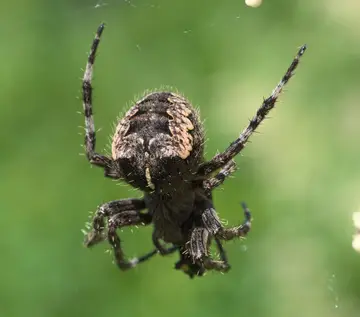
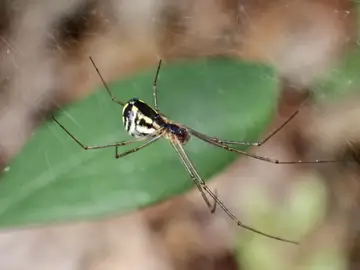
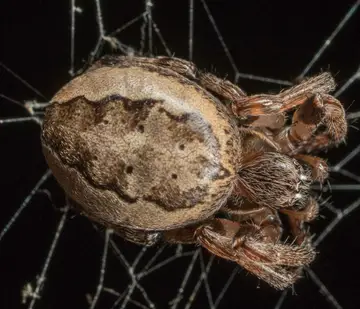
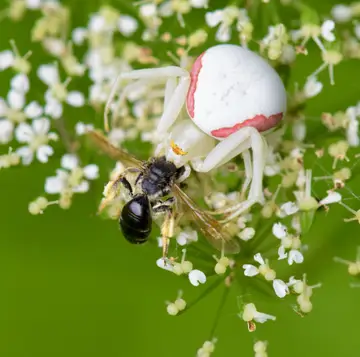
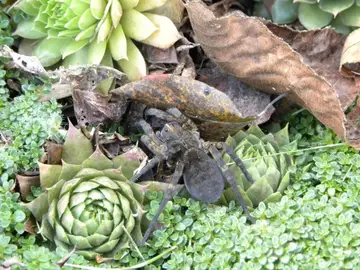
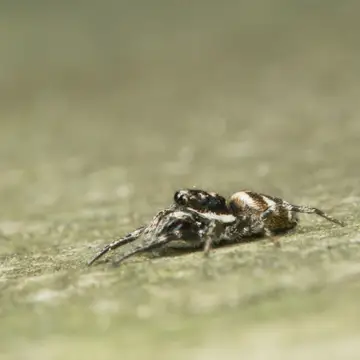
This page lists 42 spiders.
1 is venomous by official accounts.
Maine Department of Agriculture, Conservation and Forestry says: “All spiders are venomous, but few can bite humans and even fewer are potent enough to cause serious health effects.” Official sources name Northern Black Widow as dangerous to people; it is marked venomous, with the source, and listed first. The other 41 spiders are marked “Not named as dangerous”. That does not make them harmless: do not handle spiders.
Not every species: no complete official list of Maine spiders exists, so this page covers the ones state and Extension sources name. How lists are built.
Which spiders can hurt you
Official sources single out these spiders in Maine, in their own words:
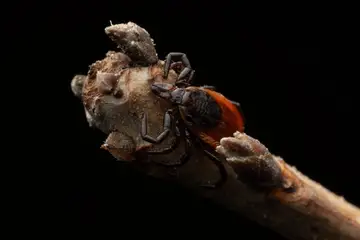
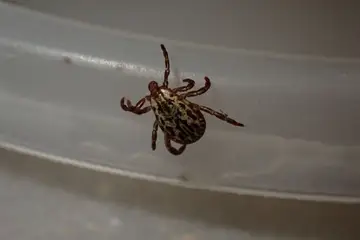
UMaine Cooperative Extension Tick Lab. “American dog ticks are the primary vectors of Rocky Mountain spotted fever in the eastern United States. As of yet, there have been no confirmed Maine-acquired cases of Rocky Mountain spotted fever.” University of Maine Cooperative Extension Tick Lab
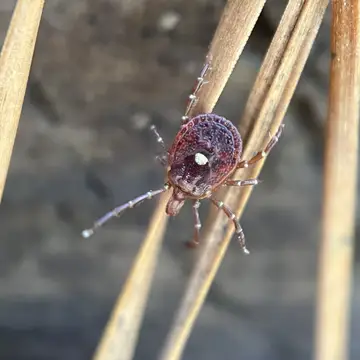
UMaine Cooperative Extension Tick Lab. “Lone star ticks can be vectors of several serious tick-borne diseases including Rocky Mountain spotted fever, tularemia, tick paralysis, STARI (southern tick-associated rash illness), and ehrlichiosis which affects both humans and dogs.” University of Maine Cooperative Extension Tick Lab
Not native here
Official sources say the southern black widow and the brown recluse are not native to Maine or not found there. They are not counted on this page; each entry quotes the source.
Southern Black Widow
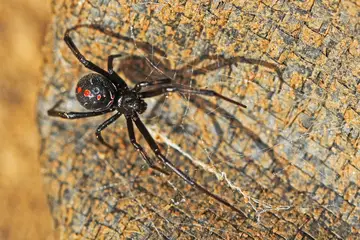
Not native. “Non-native, but sometimes hitches a ride into Maine via packages, cargo, etc.–most often via shipments of produce from out-of-state” University of Maine Cooperative Extension
It is venomous, per CDC / NIOSH. If you find one, do not touch it.
Not native. “Non-native, and thus extremely rare in Maine–an encounter is only possible if a specimen is brought in from out-of-state” University of Maine Cooperative Extension
It is venomous, per CDC / NIOSH. If you find one, do not touch it.
All 42 spiders
Venomous species first, then A to Z. Do not handle them.
“All spiders are venomous, but few can bite humans and even fewer are potent enough to cause serious health effects.” Maine Department of Agriculture, Conservation and Forestry. Maine Department of Agriculture, Conservation and Forestry says this of the whole group; it does not name this species as dangerous to people. Do not handle it.
“All spiders are venomous, but few can bite humans and even fewer are potent enough to cause serious health effects.” Maine Department of Agriculture, Conservation and Forestry. Maine Department of Agriculture, Conservation and Forestry says this of the whole group; it does not name this species as dangerous to people. Do not handle it.
“All spiders are venomous, but few can bite humans and even fewer are potent enough to cause serious health effects.” Maine Department of Agriculture, Conservation and Forestry. Maine Department of Agriculture, Conservation and Forestry says this of the whole group; it does not name this species as dangerous to people. Do not handle it.
“All spiders are venomous, but few can bite humans and even fewer are potent enough to cause serious health effects.” Maine Department of Agriculture, Conservation and Forestry. Maine Department of Agriculture, Conservation and Forestry says this of the whole group; it does not name this species as dangerous to people. Do not handle it.
No confirmed photo of Barn Funnel Weaver
Barn Funnel Weaver
Tegenaria domestica
Not named as dangerous
Venom
“All spiders are venomous, but few can bite humans and even fewer are potent enough to cause serious health effects.” Maine Department of Agriculture, Conservation and Forestry. Maine Department of Agriculture, Conservation and Forestry says this of the whole group; it does not name this species as dangerous to people. Do not handle it.
“All spiders are venomous, but few can bite humans and even fewer are potent enough to cause serious health effects.” Maine Department of Agriculture, Conservation and Forestry. Maine Department of Agriculture, Conservation and Forestry says this of the whole group; it does not name this species as dangerous to people. Do not handle it.
“All spiders are venomous, but few can bite humans and even fewer are potent enough to cause serious health effects.” Maine Department of Agriculture, Conservation and Forestry. Maine Department of Agriculture, Conservation and Forestry says this of the whole group; it does not name this species as dangerous to people. Do not handle it.
Size
Females 3/4 to 1 inch long, not counting legs (Missouri); 19 to 28 mm (Penn State); Texas A&M says the female body is more than 1 inch. Males about 1/4 inch (Missouri); 5 to 8 mm (Penn State).
How to recognize it
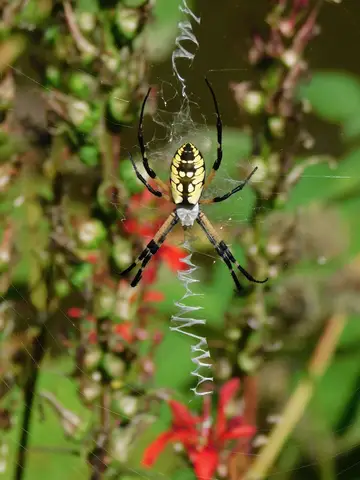
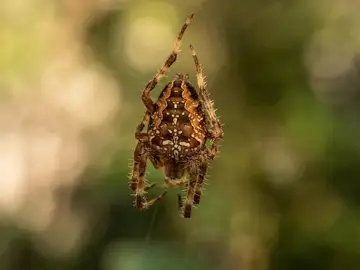
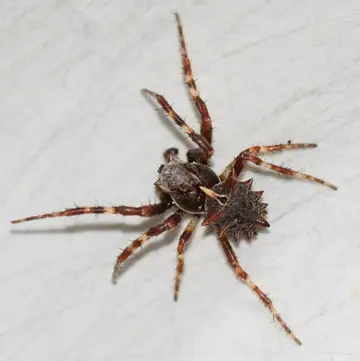
Round web about 2 feet across, built only by females; the spider rests head-down at the center, where a zigzag silk band (stabilimentum) runs vertically.
Abdomen an elongated oval, pointed at the rear, with two humps (shoulders) at the front.
Males are much smaller than females and rarely noticed.
No confirmed photo of Boreal Combfoot (a false widow)
Boreal Combfoot (a false widow)
Steatoda borealis
Not named as dangerous
Venom
“All spiders are venomous, but few can bite humans and even fewer are potent enough to cause serious health effects.” Maine Department of Agriculture, Conservation and Forestry. Maine Department of Agriculture, Conservation and Forestry says this of the whole group; it does not name this species as dangerous to people. Do not handle it.
“All spiders are venomous, but few can bite humans and even fewer are potent enough to cause serious health effects.” Maine Department of Agriculture, Conservation and Forestry. Maine Department of Agriculture, Conservation and Forestry says this of the whole group; it does not name this species as dangerous to people. Do not handle it.
“All spiders are venomous, but few can bite humans and even fewer are potent enough to cause serious health effects.” Maine Department of Agriculture, Conservation and Forestry. Maine Department of Agriculture, Conservation and Forestry says this of the whole group; it does not name this species as dangerous to people. Do not handle it.
“All spiders are venomous, but few can bite humans and even fewer are potent enough to cause serious health effects.” Maine Department of Agriculture, Conservation and Forestry. Maine Department of Agriculture, Conservation and Forestry says this of the whole group; it does not name this species as dangerous to people. Do not handle it.
No confirmed photo of Common Pirate Spider
Common Pirate Spider
Mimetus puritanus
Not named as dangerous
Venom
“All spiders are venomous, but few can bite humans and even fewer are potent enough to cause serious health effects.” Maine Department of Agriculture, Conservation and Forestry. Maine Department of Agriculture, Conservation and Forestry says this of the whole group; it does not name this species as dangerous to people. Do not handle it.
“All spiders are venomous, but few can bite humans and even fewer are potent enough to cause serious health effects.” Maine Department of Agriculture, Conservation and Forestry. Maine Department of Agriculture, Conservation and Forestry says this of the whole group; it does not name this species as dangerous to people. Do not handle it.
“All spiders are venomous, but few can bite humans and even fewer are potent enough to cause serious health effects.” Maine Department of Agriculture, Conservation and Forestry. Maine Department of Agriculture, Conservation and Forestry says this of the whole group; it does not name this species as dangerous to people. Do not handle it.
“All spiders are venomous, but few can bite humans and even fewer are potent enough to cause serious health effects.” Maine Department of Agriculture, Conservation and Forestry. Maine Department of Agriculture, Conservation and Forestry says this of the whole group; it does not name this species as dangerous to people. Do not handle it.
“All spiders are venomous, but few can bite humans and even fewer are potent enough to cause serious health effects.” Maine Department of Agriculture, Conservation and Forestry. Maine Department of Agriculture, Conservation and Forestry says this of the whole group; it does not name this species as dangerous to people. Do not handle it.
“All spiders are venomous, but few can bite humans and even fewer are potent enough to cause serious health effects.” Maine Department of Agriculture, Conservation and Forestry. Maine Department of Agriculture, Conservation and Forestry says this of the whole group; it does not name this species as dangerous to people. Do not handle it.
No confirmed photo of Forest Wolf Spider
Forest Wolf Spider
Hogna frondicola
Not named as dangerous
Venom
“All spiders are venomous, but few can bite humans and even fewer are potent enough to cause serious health effects.” Maine Department of Agriculture, Conservation and Forestry. Maine Department of Agriculture, Conservation and Forestry says this of the whole group; it does not name this species as dangerous to people. Do not handle it.
“All spiders are venomous, but few can bite humans and even fewer are potent enough to cause serious health effects.” Maine Department of Agriculture, Conservation and Forestry. Maine Department of Agriculture, Conservation and Forestry says this of the whole group; it does not name this species as dangerous to people. Do not handle it.
No confirmed photo of Garden Ghost Spider
Garden Ghost Spider
Hibana gracilis
Not named as dangerous
Venom
“All spiders are venomous, but few can bite humans and even fewer are potent enough to cause serious health effects.” Maine Department of Agriculture, Conservation and Forestry. Maine Department of Agriculture, Conservation and Forestry says this of the whole group; it does not name this species as dangerous to people. Do not handle it.
No confirmed photo of Giant Lichen Orbweaver
Giant Lichen Orbweaver
Araneus bicentenarius
Not named as dangerous
Venom
“All spiders are venomous, but few can bite humans and even fewer are potent enough to cause serious health effects.” Maine Department of Agriculture, Conservation and Forestry. Maine Department of Agriculture, Conservation and Forestry says this of the whole group; it does not name this species as dangerous to people. Do not handle it.
“All spiders are venomous, but few can bite humans and even fewer are potent enough to cause serious health effects.” Maine Department of Agriculture, Conservation and Forestry. Maine Department of Agriculture, Conservation and Forestry says this of the whole group; it does not name this species as dangerous to people. Do not handle it.
JFMAMJJASOND
100 records by month.
No confirmed photo of Gray Cross Spider / Bridge Spider
Gray Cross Spider / Bridge Spider
Larinioides sclopetarius
Not named as dangerous
Venom
“All spiders are venomous, but few can bite humans and even fewer are potent enough to cause serious health effects.” Maine Department of Agriculture, Conservation and Forestry. Maine Department of Agriculture, Conservation and Forestry says this of the whole group; it does not name this species as dangerous to people. Do not handle it.
“All spiders are venomous, but few can bite humans and even fewer are potent enough to cause serious health effects.” Maine Department of Agriculture, Conservation and Forestry. Maine Department of Agriculture, Conservation and Forestry says this of the whole group; it does not name this species as dangerous to people. Do not handle it.
What the sources say
Habitat: Barns and houses (Maine Department of Agriculture, Conservation and Forestry)
No confirmed photo of Jumping spiders (family Salticidae)
Jumping spiders (family Salticidae)
Not named as dangerous
Venom
“All spiders are venomous, but few can bite humans and even fewer are potent enough to cause serious health effects.” Maine Department of Agriculture, Conservation and Forestry. Maine Department of Agriculture, Conservation and Forestry says this of the whole group; it does not name this species as dangerous to people. Do not handle it.
“All spiders are venomous, but few can bite humans and even fewer are potent enough to cause serious health effects.” Maine Department of Agriculture, Conservation and Forestry. Maine Department of Agriculture, Conservation and Forestry says this of the whole group; it does not name this species as dangerous to people. Do not handle it.
No confirmed photo of Long-jawed orbweaver (Pachygnatha autumnalis)
Long-jawed orbweaver (Pachygnatha autumnalis)
Pachygnatha autumnalis
Not named as dangerous
Venom
“All spiders are venomous, but few can bite humans and even fewer are potent enough to cause serious health effects.” Maine Department of Agriculture, Conservation and Forestry. Maine Department of Agriculture, Conservation and Forestry says this of the whole group; it does not name this species as dangerous to people. Do not handle it.
“All spiders are venomous, but few can bite humans and even fewer are potent enough to cause serious health effects.” Maine Department of Agriculture, Conservation and Forestry. Maine Department of Agriculture, Conservation and Forestry says this of the whole group; it does not name this species as dangerous to people. Do not handle it.
No confirmed photo of Moss Ground Hunter
Moss Ground Hunter
Gnaphosa muscorum
Not named as dangerous
Venom
“All spiders are venomous, but few can bite humans and even fewer are potent enough to cause serious health effects.” Maine Department of Agriculture, Conservation and Forestry. Maine Department of Agriculture, Conservation and Forestry says this of the whole group; it does not name this species as dangerous to people. Do not handle it.
No confirmed photo of Multicolored Bark Crab Spider
Multicolored Bark Crab Spider
Bassaniana versicolor
Not named as dangerous
Venom
“All spiders are venomous, but few can bite humans and even fewer are potent enough to cause serious health effects.” Maine Department of Agriculture, Conservation and Forestry. Maine Department of Agriculture, Conservation and Forestry says this of the whole group; it does not name this species as dangerous to people. Do not handle it.
“All spiders are venomous, but few can bite humans and even fewer are potent enough to cause serious health effects.” Maine Department of Agriculture, Conservation and Forestry. Maine Department of Agriculture, Conservation and Forestry says this of the whole group; it does not name this species as dangerous to people. Do not handle it.
“All spiders are venomous, but few can bite humans and even fewer are potent enough to cause serious health effects.” Maine Department of Agriculture, Conservation and Forestry. Maine Department of Agriculture, Conservation and Forestry says this of the whole group; it does not name this species as dangerous to people. Do not handle it.
“All spiders are venomous, but few can bite humans and even fewer are potent enough to cause serious health effects.” Maine Department of Agriculture, Conservation and Forestry. Maine Department of Agriculture, Conservation and Forestry says this of the whole group; it does not name this species as dangerous to people. Do not handle it.
No confirmed photo of Sixspotted Orbweaver
Sixspotted Orbweaver
Araniella displicata
Not named as dangerous
Venom
“All spiders are venomous, but few can bite humans and even fewer are potent enough to cause serious health effects.” Maine Department of Agriculture, Conservation and Forestry. Maine Department of Agriculture, Conservation and Forestry says this of the whole group; it does not name this species as dangerous to people. Do not handle it.
“All spiders are venomous, but few can bite humans and even fewer are potent enough to cause serious health effects.” Maine Department of Agriculture, Conservation and Forestry. Maine Department of Agriculture, Conservation and Forestry says this of the whole group; it does not name this species as dangerous to people. Do not handle it.
“All spiders are venomous, but few can bite humans and even fewer are potent enough to cause serious health effects.” Maine Department of Agriculture, Conservation and Forestry. Maine Department of Agriculture, Conservation and Forestry says this of the whole group; it does not name this species as dangerous to people. Do not handle it.
“All spiders are venomous, but few can bite humans and even fewer are potent enough to cause serious health effects.” Maine Department of Agriculture, Conservation and Forestry. Maine Department of Agriculture, Conservation and Forestry says this of the whole group; it does not name this species as dangerous to people. Do not handle it.
No confirmed photo of Twobanded Antmimic
Twobanded Antmimic
Castianeira cingulata
Not named as dangerous
Venom
“All spiders are venomous, but few can bite humans and even fewer are potent enough to cause serious health effects.” Maine Department of Agriculture, Conservation and Forestry. Maine Department of Agriculture, Conservation and Forestry says this of the whole group; it does not name this species as dangerous to people. Do not handle it.
No confirmed photo of White-striped Running Crab Spider
White-striped Running Crab Spider
Philodromus rufus
Not named as dangerous
Venom
“All spiders are venomous, but few can bite humans and even fewer are potent enough to cause serious health effects.” Maine Department of Agriculture, Conservation and Forestry. Maine Department of Agriculture, Conservation and Forestry says this of the whole group; it does not name this species as dangerous to people. Do not handle it.
No confirmed photo of Wolf spiders (family Lycosidae)
Wolf spiders (family Lycosidae)
Not named as dangerous
Venom
“All spiders are venomous, but few can bite humans and even fewer are potent enough to cause serious health effects.” Maine Department of Agriculture, Conservation and Forestry. Maine Department of Agriculture, Conservation and Forestry says this of the whole group; it does not name this species as dangerous to people. Do not handle it.
“All spiders are venomous, but few can bite humans and even fewer are potent enough to cause serious health effects.” Maine Department of Agriculture, Conservation and Forestry. Maine Department of Agriculture, Conservation and Forestry says this of the whole group; it does not name this species as dangerous to people. Do not handle it.
Spiders people confuse
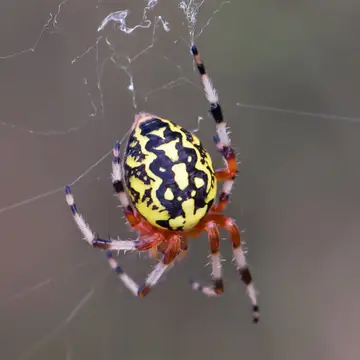
Yellow garden spider or Banded garden spider (banded orb weaver)?
Banded garden spider (banded orb weaver) Not stated
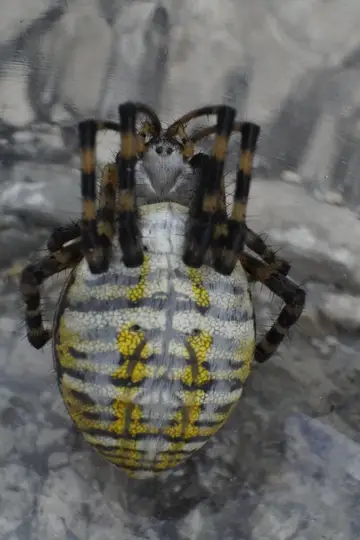
Missouri Department of Conservation: the banded garden spider is slightly smaller than the black-and-yellow garden spider, with a pointier hind end, and its abdomen has many thin silver and yellow crosswise lines and thicker black, spotty lines.
Photos show typical adults; individuals vary. Never get close to compare.
When spiders are active in Maine
Records of spiders in Maine peak in June to August. They show when people record spiders, not how many there are (about month bars).
JanFebMarAprMayJunJulAugSepOctNovDec
929 records of spiders in Maine by month (GBIF, CC0 and CC BY records).
If you are bitten or stung
Call 911 or Poison Help at 1-800-222-1222 right away. Poison Help connects you to your local poison center, any time of day.
What official sources say
Are there black widow spiders in Maine?
Rarely. UMaine Extension says the southern black widow is non-native and sometimes arrives in produce or cargo, and that the northern black widow may be an infrequent inhabitant as far north as central Maine. Maine DACF says no venomous spiders of medical concern are native. University of Maine Cooperative Extension
“This spider may be an infrequent inhabitant as far north as central Maine and southern portions of Canada.”
“Non-native, but sometimes hitches a ride into Maine via packages, cargo, etc.–most often via shipments of produce from out-of-state”
“Non-native, and thus extremely rare in Maine–an encounter is only possible if a specimen is brought in from out-of-state”
“This spider may be an infrequent inhabitant as far north as central Maine and southern portions of Canada.”
Venomous Spiders at Work. CDC / NIOSH. archived copy, captured October 13, 2026; checked November 3, 2026.Quoted passages (1)
“Venomous spiders found in the United States include the black widow and the brown recluse.”
Got Pests? Spiders. Maine Department of Agriculture, Conservation and Forestry (Board of Pesticides Control). undated page; checked November 3, 2026.Quoted passages (1)
“All spiders are venomous, but few can bite humans and even fewer are potent enough to cause serious health effects.”
“In Maine, deer ticks can carry germs that cause several illnesses.”
“The woodchuck tick (Ixodes cookei) can transmit Powassan virus.”
American Dog Tick. University of Maine Cooperative Extension Tick Lab. undated page; checked November 3, 2026.Quoted passages (1)
“American dog ticks are the primary vectors of Rocky Mountain spotted fever in the eastern United States. As of yet, there have been no confirmed Maine-acquired cases of Rocky Mountain spotted fever.”
Lone Star Tick. University of Maine Cooperative Extension Tick Lab. undated page; checked November 3, 2026.Quoted passages (1)
“Lone star ticks can be vectors of several serious tick-borne diseases including Rocky Mountain spotted fever, tularemia, tick paralysis, STARI (southern tick-associated rash illness), and ehrlichiosis which affects both humans and dogs.”