States Wildlife

Montana wildlife: what lives here and what is dangerous

Last checked November 3, 2026 against official sources.

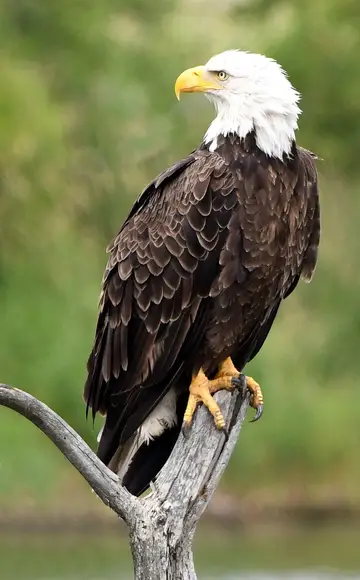
Bald Eagle
Photo: U.S. Fish and Wildlife Service - Midwest Region · Public domain · Wikimedia Commons

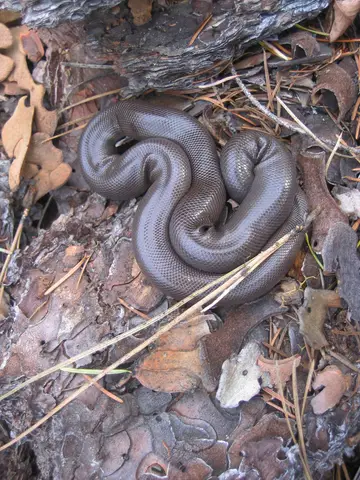
Montana has 1 venomous snake named by official sources: Prairie Rattlesnake, as labelled by Montana State University Extension. This guide covers 9 animal groups from Montana Fish, Wildlife & Parks lists and other official sources, with photos, venomous status and when each group is active.

Identification help has limits: a photo cannot confirm that an animal is safe. Watch from a distance and never handle a wild animal.

On this page
  1. Animal groups
  2. Dangerous animals
  3. Invasive species
  4. Seasons
  5. Official agency and reporting
  6. Questions
  7. Sources

Animal groups in Montana

Dangerous animals in Montana

These are the animals official sources describe as venomous or as a risk to people in Montana, across 6 groups. The reason is given in the source's own terms.

AnimalGroupWhy, per the sourceSource
Prairie RattlesnakeSnakesVenomous: “Montana only has 10 native snake species, of which, only the Prairie Rattlesnake (Crotalus viridis) is venomous.”Montana State University Extension
Plains Hog-nosed SnakeSnakesSlightly toxic saliva has caused mild envenomations: “The Western Hog-nosed Snake contains slightly toxic saliva secretions, which have caused mild envenomations in some humans”Montana Natural Heritage Program (Montana State Library) with Montana Fish, Wildlife & Parks: Montana Field Guide
Hobo SpiderSpidersVenomous: “There is no conclusive evidence that hobo spider venom causes necrosis in humans”Montana State University Extension
Southern Black WidowSpidersVenomous: “Venomous spiders found in the United States include the black widow and the brown recluse.”CDC / NIOSH
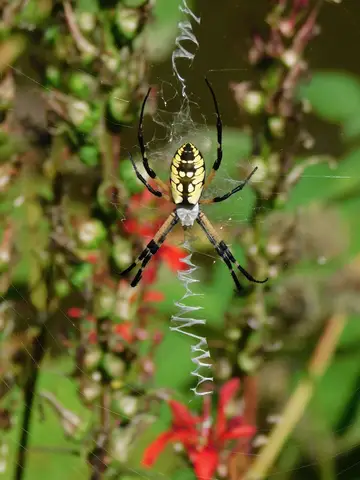
Western Black Widow SpiderSpidersVenomous: “It is the only spider, to date, of medical importance in Montana.”Montana State University Extension
Northern Black WidowSpidersVenomous: “The bite of both the western and northern black widow is a neurotoxin and is very painful.”Montana State University Extension
Western Black WidowSpidersVenomous: “It is the only spider, to date, of medical importance in Montana.”Montana State University Extension
Northern ScorpionScorpionsVenomous: “The Northern Scorpion is rarely known to sting people. Scorpions hunt and feed on insects and other small prey that they can get their claws around …”Montana Natural Heritage Program (Montana State Library) with Montana Fish, Wildlife & Parks: Montana Field Guide
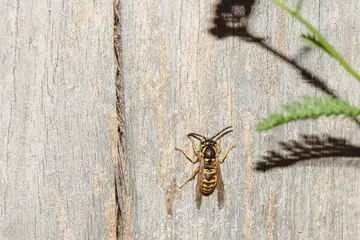
Western YellowjacketInsects and BugsVenomous: “Social wasps use their sting and venom for defense and can sting multiple times.”Montana State University Extension
Bald-faced HornetInsects and BugsVenomous: “Social wasps use their sting and venom for defense and can sting multiple times.”Montana State University Extension
Aerial Yellow-jacketInsects and BugsVenomous: “Social wasps use their sting and venom for defense and can sting multiple times.”Montana State University Extension
Rocky Mountain Wood TickTicks (arachnids)Disease vector per MSU and DPHHS: “It can transmit viral Colorado tick fever (CTF), Rocky Mountain spotted fever (RMSF), bovine anaplasmosis, and tularemia.”Montana State University Extension
American Dog TickTicks (arachnids)Disease vector: “It is one of the major vectors of RMSF and can also transmit tularemia.”Montana State University Extension
Blister beetlesInsects and BugsDefensive oil can cause blistering: “…they have a defensive oil called cantharidin that can cause blistering”Montana State University Extension
Northern Short-tailed ShrewMammalsVenomous: “The saliva is poisonous (even to humans) and aids in capture of prey”Montana Natural Heritage Program (Montana State Library) with Montana Fish, Wildlife & Parks: Montana Field Guide
Grizzly BearMammalsFemales defend cubs: “Female grizzlies with cubs, or sows, are very defensive of their young.”Montana Fish, Wildlife & Parks
Mountain LionMammalsDangerous at a kill: “Lions feeding on a kill are potentially dangerous and should never be approached.”Montana Fish, Wildlife & Parks
BatsMammalsRabies exposure risk from direct contact: “Every bat bite or contact must be considered a potential exposure to rabies.”Montana Fish, Wildlife & Parks
Raccoons, skunks, foxesMammalsRabies in wild animals: “The vast majority of rabies cases reported each year occur in wild animals like raccoons, skunks, bats, and foxes.”Montana Department of Public Health and Human Services

Venomous snakes in Montana shows each venomous snake with photos and range.

Invasive and nonnative species

22 nonnative animals are named on Montana's official lists (Montana Fish, Wildlife & Parks).

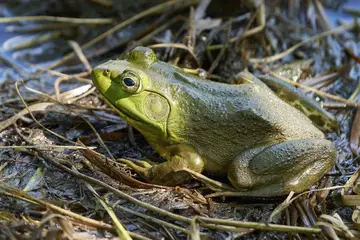
  • American Bullfrog Lithobates catesbeianus
  • Fishhook Waterflea Bythotrephes longimanus
  • Rusty Crayfish Orconectes rusticus
  • Spiny Waterflea Bythotrephes longimanus
  • Bighead Carp Hypopthalmichthys nobilis
  • Black Carp Mylopharyngodon piceus
  • Grass Carp Ctenopharyngodon idella
  • Silver Carp Hypophthalmichthys molitrix

All invasive species in Montana, with where they live and how to report them.

When animals are active in Montana

Darker cells are the months with more open-licence observation records of each group in Montana (GBIF). They show when people see and record these animals, not how many there are. The current month, this month, is highlighted.

JanFebMarAprMayJunJulAugSepOctNovDec
SnakesJanuary: 0 recordsFebruary: 0 recordsMarch: 2 recordsApril: 15 recordsMay: 65 recordsJune: 86 recordsJuly: 66 recordsAugust: 50 recordsSeptember: 26 recordsOctober: 8 recordsNovember: 0 recordsDecember: 0 records
SpidersJanuary: 1 recordFebruary: 1 recordMarch: 6 recordsApril: 14 recordsMay: 45 recordsJune: 72 recordsJuly: 89 recordsAugust: 71 recordsSeptember: 81 recordsOctober: 13 recordsNovember: 5 recordsDecember: 3 records
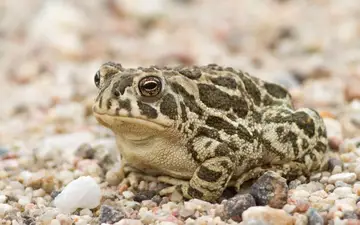
Frogs and ToadsJanuary: 1 recordFebruary: 0 recordsMarch: 0 recordsApril: 3 recordsMay: 15 recordsJune: 33 recordsJuly: 59 recordsAugust: 45 recordsSeptember: 33 recordsOctober: 3 recordsNovember: 1 recordDecember: 0 records
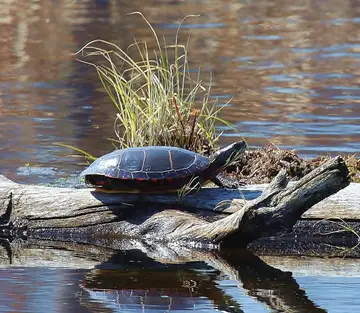
TurtlesJanuary: 0 recordsFebruary: 0 recordsMarch: 1 recordApril: 6 recordsMay: 8 recordsJune: 18 recordsJuly: 15 recordsAugust: 5 recordsSeptember: 8 recordsOctober: 1 recordNovember: 0 recordsDecember: 0 records
Insects and BugsJanuary: 14 recordsFebruary: 17 recordsMarch: 58 recordsApril: 309 recordsMay: 1,131 recordsJune: 2,546 recordsJuly: 5,114 recordsAugust: 3,391 recordsSeptember: 1,025 recordsOctober: 162 recordsNovember: 13 recordsDecember: 13 records
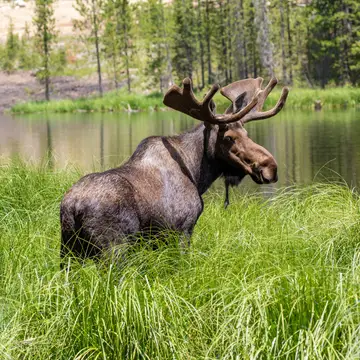
MammalsJanuary: 91 recordsFebruary: 105 recordsMarch: 109 recordsApril: 149 recordsMay: 269 recordsJune: 453 recordsJuly: 749 recordsAugust: 574 recordsSeptember: 306 recordsOctober: 93 recordsNovember: 64 recordsDecember: 86 records

What official sources say about seasons

Official agency and how to report

Montana's wildlife agency is the Montana Fish, Wildlife & Parks.

Report: Boat or trailer with aquatic organisms: 1-800-TIP-MONT (1-800-847-6668). FWP main office: (406) 444-2535. Montana Fish, Wildlife & Parks

Official safety advice

Questions people ask about Montana wildlife

How many venomous snakes are in Montana?

FWP: one of the 10 snake species found in Montana. Montana Fish, Wildlife & Parks

What venomous snakes live in Montana?

MSU Extension names the Prairie Rattlesnake; FWP calls it the western rattlesnake. Montana State University Extension

Where do rattlesnakes live in Montana?

Favoring open and arid country, also ponderosa pine stands and mixed grass-coniferous forests. Montana State University Extension

Are there copperheads or water moccasins in Montana?

No. FWP says the rattlesnake is the only venomous snake of Montana's 10 species; neither appears on the Field Guide list. Montana Fish, Wildlife & Parks

Are there alligators in Montana?

Not on the official list. The Field Guide reptile family pages list lizards, snakes and turtles only; no alligator is listed and no statement about alligators was found. Montana Natural Heritage Program (Montana State Library) with Montana Fish, Wildlife & Parks: Montana Field Guide

Are there scorpions in Montana?

Yes. The Northern Scorpion, best found in the southeast along sandstone cliff areas. Montana Natural Heritage Program (Montana State Library) with Montana Fish, Wildlife & Parks: Montana Field Guide

Are there black widows in Montana?

Yes. MSU says the western black widow is present throughout Montana. Montana State University Extension

Are there brown recluse spiders in Montana?

No. MSU says the species is not native and none has been positively identified in Montana. Montana State University Extension

Are hobo spiders dangerous in Montana?

Sources differ. MSU's current page finds no conclusive evidence of necrosis; its 2005 guide calls it medically important. Montana State University Extension

Are there grizzly bears in Montana?

Yes. Mostly in western Montana, increasingly elsewhere, per FWP. Montana Fish, Wildlife & Parks

Are there mountain lions in Montana?

Yes. FWP says lions have regained much of their historical range except the open prairies. Montana Fish, Wildlife & Parks

Are there wolves in Montana?

Yes. FWP manages wolves throughout the state. Montana Fish, Wildlife & Parks

Are there feral hogs in Montana?

Not established. Field Guide label "Not Documented"; detections were escaped domestic swine, though boar in Saskatchewan could invade. Montana Natural Heritage Program (Montana State Library) with Montana Fish, Wildlife & Parks: Montana Field Guide

Is there lyme disease in Montana?

DPHHS: Lyme disease is the most common tickborne illness in Montana residents, but all cases were acquired out of state. MSU (May 2022) says the blacklegged ticks that carry it are not established in Montana. Montana Department of Public Health and Human Services

Are murder hornets in Montana?

MSU: Asian giant hornet not detected to date (undated page). Montana State University Extension

Sources

  1. Contact Us. Montana Fish, Wildlife & Parks. archived copy, captured October 19, 2026; checked November 3, 2026.
  2. Rattlesnake Safe in Montana (MontGuide MT202201AG). Montana State University Extension. Revised January 2022; checked November 3, 2026.
    Quoted passages (9)
    “Montana only has 10 native snake species, of which, only the Prairie Rattlesnake (Crotalus viridis) is venomous.”
    “…only the Prairie Rattlesnake (Crotalus viridis) is venomous.”
    “Prairie Rattlesnakes occur throughout Montana, typically below 6,500 feet”
    “Activate emergency services as soon as possible by dialing 911.”
    “If you encounter a snake, simply maintain a safe distance (three times the body length) and walk around, allowing plenty of space.”
    “Do not attempt to kill the snake, as many bites occur during the process.”
    “Do not handle a freshly-killed snake, as it can still inject venom for some time following death.”
    “Most bites occur between the months of April and September when snakes and humans are most active outdoors.”
    “Snakes are generally not active when temperatures dip below 60° F.”
  3. Living with Snakes. Montana Fish, Wildlife & Parks. archived copy, captured May 18, 2026; checked November 3, 2026.
    Quoted passages (2)
    “Of the 10 species of snakes found in Montana only the western rattlesnake is poisonous.”
    “If you have a problem with snakes, the best advice is to just leave them alone.”
  4. Northern Scorpion - Paruroctonus boreus. Montana Natural Heritage Program (Montana State Library) with Montana Fish, Wildlife & Parks: Montana Field Guide. archived copy, captured October 16, 2026; checked November 3, 2026.
    Quoted passages (4)
    “This species is the only scorpion found in Montana.”
    “The Northern Scorpion is rarely known to sting people. Scorpions hunt and feed on insects and other small prey that they can get their claws around. The sting injects a dose of paralyzing venom similar to that of spiders.”
    “Best places to find this species in Montana are in the southeast along sandstone cliff areas, such as the Rims around Billings or cliffs in the Bighorn Canyon.”
    “The species is nocturnal, but may enter warm sheltered places in the cold days of fall to hibernate.”
  5. Plains Hog-nosed Snake - Heterodon nasicus. Montana Natural Heritage Program (Montana State Library) with Montana Fish, Wildlife & Parks: Montana Field Guide. archived copy, captured February 8, 2026; checked November 3, 2026.
    Quoted passages (1)
    “The Western Hog-nosed Snake contains slightly toxic saliva secretions, which have caused mild envenomations in some humans”
  6. Hobo Spiders. Montana State University Extension. undated page; checked November 3, 2026.
    Quoted passages (1)
    “There is no conclusive evidence that hobo spider venom causes necrosis in humans”
  7. Venomous Spiders at Work. CDC / NIOSH. archived copy, captured October 6, 2026; checked November 3, 2026.
    Quoted passages (1)
    “Venomous spiders found in the United States include the black widow and the brown recluse.”
  8. Urban Spiders of Montana. Montana State University Extension. undated page; checked November 3, 2026.
    Quoted passages (3)
    “It is the only spider, to date, of medical importance in Montana.”
    “To date, no brown recluse spiders have been positively identified by trained arachnologists or entomologists in Montana.”
    “Hobo spiders enter homes starting in August and will continue through November.”
  9. Spider Identification and Management (MontGuide MT199210 AG). Montana State University Extension. Reviewed 3/05; checked November 3, 2026.
    Quoted passages (1)
    “The bite of both the western and northern black widow is a neurotoxin and is very painful.”
  10. Social Wasps in Montana. Montana State University Extension. undated page; checked November 3, 2026.
    Quoted passages (2)
    “Social wasps use their sting and venom for defense and can sting multiple times.”
    “It is the biggest nuisance pest around our backyards and porches in late summer.”
  11. It's Tick Season (fact sheet). Montana State University Extension. May 2022; checked November 3, 2026.
    Quoted passages (2)
    “It can transmit viral Colorado tick fever (CTF), Rocky Mountain spotted fever (RMSF), bovine anaplasmosis, and tularemia.”
    “It is one of the major vectors of RMSF and can also transmit tularemia.”
  12. Blister Beetles in the Yard and Garden. Montana State University Extension. undated page; checked November 3, 2026.
    Quoted passages (1)
    “…they have a defensive oil called cantharidin that can cause blistering”
  13. Northern Short-tailed Shrew - Blarina brevicauda. Montana Natural Heritage Program (Montana State Library) with Montana Fish, Wildlife & Parks: Montana Field Guide. archived copy, captured June 15, 2026; checked November 3, 2026.
    Quoted passages (1)
    “The saliva is poisonous (even to humans) and aids in capture of prey”
  14. All About Bears. Montana Fish, Wildlife & Parks. archived copy, captured May 14, 2026; checked November 3, 2026.
    Quoted passages (1)
    “Female grizzlies with cubs, or sows, are very defensive of their young.”
  15. Living with Mountain Lions. Montana Fish, Wildlife & Parks. archived copy, captured September 9, 2026; checked November 3, 2026.
    Quoted passages (3)
    “Lions feeding on a kill are potentially dangerous and should never be approached.”
    “…lions have regained much of their historical distribution in Montana, except on the open prairies.”
    “Mountain lions are most active at dusk and dawn when their prey is active”
  16. Living with Bats. Montana Fish, Wildlife & Parks. archived copy, captured February 3, 2026; checked November 3, 2026.
    Quoted passages (1)
    “Every bat bite or contact must be considered a potential exposure to rabies.”
  17. Rabies. Montana Department of Public Health and Human Services. archived copy, captured May 16, 2026; checked November 3, 2026.
    Quoted passages (1)
    “The vast majority of rabies cases reported each year occur in wild animals like raccoons, skunks, bats, and foxes.”
  18. AIS Species Identification Guide. Montana Fish, Wildlife & Parks. archived copy, captured May 3, 2026; checked November 3, 2026.
    Quoted passages (9)
    “American Bullfrog Lithobates catesbeianus DETECTED in Montana”
    “Fishhook Waterflea Bythotrephes longimanus UNDETECTED in Montana”
    “Rusty Crayfish Orconectes rusticus UNDETECTED in Montana”
    “Spiny Waterflea Bythotrephes longimanus UNDETECTED in Montana”
    “Bighead Carp Hypopthalmichthys nobilis UNDETECTED in Montana”
    “Black Carp Mylopharyngodon piceus UNDETECTED in Montana”
    “Grass Carp Ctenopharyngodon idella UNDETECTED in Montana”
    “Silver Carp Hypophthalmichthys molitrix UNDETECTED in Montana”
    “In Montana, bullfrogs breed during warm weather in June and July.”
  19. Report a suspected AIS. Montana Fish, Wildlife & Parks. archived copy, captured May 3, 2026; checked November 3, 2026.
    Quoted passages (1)
    “If you see a boat or trailer with aquatic organisms attached to it, call 1-800-TIP-MONT (1-800-847-6668) immediately.”
  20. Montana Field Guide: Reptiles and Amphibians (family species lists). Montana Natural Heritage Program (Montana State Library) with Montana Fish, Wildlife & Parks: Montana Field Guide. archived copy, captured May 6, 2025; checked November 3, 2026.
  21. Black Widows in Montana. Montana State University Extension. undated page; checked November 3, 2026.
    Quoted passages (1)
    “The western black widow, Latrodectus hesperus, is present throughout Montana.”
  22. Bears in Montana. Montana Fish, Wildlife & Parks. archived copy, captured June 18, 2026; checked November 3, 2026.
    Quoted passages (1)
    “…grizzly bears reside mostly in western Montana but are increasingly roaming into areas where they have not occupied for decades.”
  23. Wolf Conservation & Management Program. Montana Fish, Wildlife & Parks. archived copy, captured July 15, 2026; checked November 3, 2026.
    Quoted passages (1)
    “Montana Fish, Wildlife & Parks obtained full authority to manage wolves throughout the state”
  24. Wild Boar - Sus scrofa. Montana Natural Heritage Program (Montana State Library) with Montana Fish, Wildlife & Parks: Montana Field Guide. archived copy, captured May 19, 2026; checked November 3, 2026.
    Quoted passages (1)
    “The species has not yet been detected in Montana. To-date detections of wild pigs have been determined to be escaped domestic swine and have been recaptured and returned to owners. However, Wild Boar are present in Saskatchewan so there is potential for the species to invade the state.”
  25. Tickborne Illnesses. Montana Department of Public Health and Human Services. archived copy, captured May 18, 2026; checked November 3, 2026.
    Quoted passages (2)
    “Most common tickborne illness in Montana residents even though all cases acquired disease out of state.”
    “Ticks are most active from April through July, but Montanans are most likely to encounter ticks in May.”
  26. Asian Giant Hornet and Look-Alikes. Montana State University Extension. undated page; checked November 3, 2026.
    Quoted passages (1)
    “To date, it has not been detected in Montana.”
  27. Poison Control and Prevention. Montana Department of Public Health and Human Services. archived copy, captured August 14, 2026; checked November 3, 2026.
    Quoted passages (1)
    “POISON CONTROL NUMBER: 1-800-222-1222”
  28. GBIF.org occurrence records, human observations licensed CC0 1.0 or CC BY 4.0 only, accessed November 3, 2026. The datasets behind these counts are listed on our Sources page.