This page lists 8 insects.
6 are venomous by official accounts. 2 are nonnative.
Not every species: no complete official list of Tennessee insects exists, so this page covers the ones state and Extension sources name. How lists are built.
Which insects can hurt you
Official sources single out these insects in Tennessee, in their own words:
Stings. “Wasp, hornet and yellowjacket stings can be a serious health threat to animals and humans, especially if a person being stung is allergic to yellowjacket venom.” University of Tennessee Extension
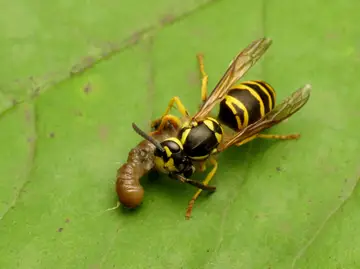
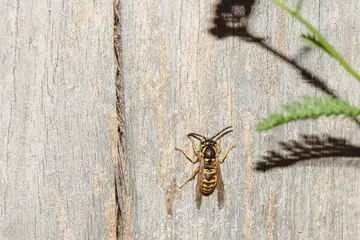
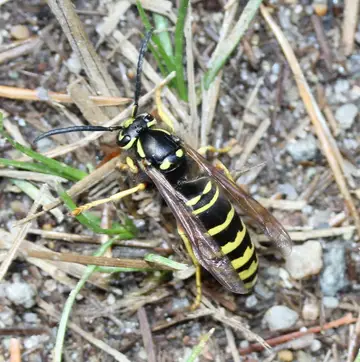
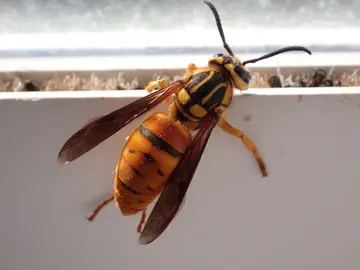
Yellowjackets
Source. “Yellowjackets are often considered the most dangerous stinging insects in the United States.” University of Tennessee Extension
Stinging caterpillars: Hickory Tussock, Hag or Monkey Slug, Saddleback, Buck, Lo Moth, Puss or Asp
Venomous stinging spines. “The Southern United States is home to at least 6 known ‘stinging’ caterpillars that are of medical significance. The Hickory Tussock, Hag or Monkey Slug, Saddleback, Buck, Lo Moth and Puss or Asp.” Tennessee Poison Center
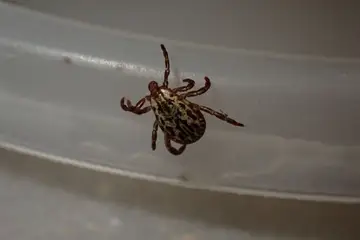
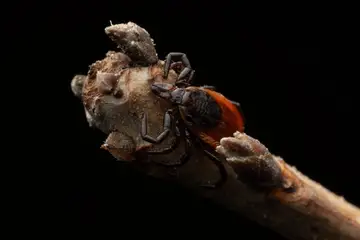
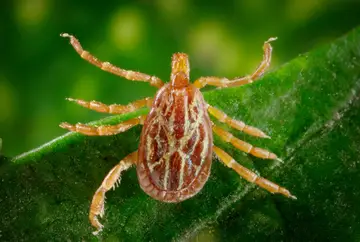
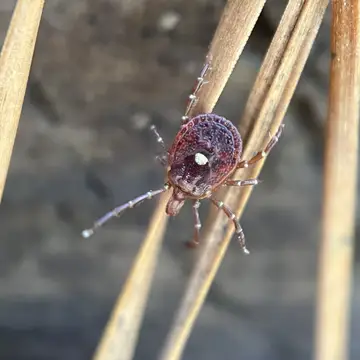
Ticks (arachnids, not insects)
Official sources single out these ticks in Tennessee, in their own words:
Venom: “Wasp, hornet and yellowjacket stings can be a serious health threat to animals and humans, especially if a person being stung is allergic to yellowjacket venom.” (University of Tennessee Extension)
Venom: “Wasp, hornet and yellowjacket stings can be a serious health threat to animals and humans, especially if a person being stung is allergic to yellowjacket venom.” (University of Tennessee Extension)
Venom: “Wasp, hornet and yellowjacket stings can be a serious health threat to animals and humans, especially if a person being stung is allergic to yellowjacket venom.” (University of Tennessee Extension)
Venom: “Wasp, hornet and yellowjacket stings can be a serious health threat to animals and humans, especially if a person being stung is allergic to yellowjacket venom.” (University of Tennessee Extension)
Venom: “Wasp, hornet and yellowjacket stings can be a serious health threat to animals and humans, especially if a person being stung is allergic to yellowjacket venom.” (University of Tennessee Extension)
Venom: “Wasp, hornet and yellowjacket stings can be a serious health threat to animals and humans, especially if a person being stung is allergic to yellowjacket venom.” (University of Tennessee Extension)
No confirmed photo of Black Imported Fire Ant
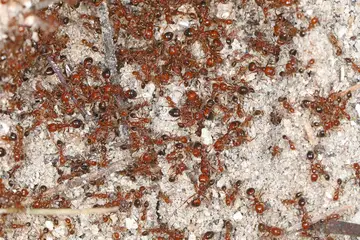
Black Imported Fire Ant
Solenopsis richteri
Not statedNonnative
Venom
No official source we use states whether this animal is venomous. That does not mean it is harmless: do not handle it.
Most tick bites occur in warmer seasons; black-legged ticks may bite whenever temperatures are above freezing. Tennessee Department of Health
If you are bitten or stung
Call 911 or Poison Help at 1-800-222-1222 right away. Poison Help connects you to your local poison center, any time of day.
How to report
TWRA "Report Wildlife Encounters, Incidents, or Illness" page (https://www.tn.gov/twra/wildlife/report-wildlife.html): bear conflicts (800) 831-1174; online forms for bear sightings, sick deer, and dead or sick birds. Rare birds: [email protected] (2013 checklist). Aquatic invasive species: TWRA directs people to its Invasive Fish Species page. Tennessee Wildlife Resources Agency
Fire Ants in Tennessee. University of Tennessee Institute of Agriculture, Department of Entomology and Plant Pathology. undated page; checked November 3, 2026.Quoted passages (1)
“The red imported fire ant, Solenopsis invicta Buren, the black imported fire ant, Solenopsis richteri Forel, and their hybrid are nuisance insects and their stings can cause serious medical problems.”
“Wasp, hornet and yellowjacket stings can be a serious health threat to animals and humans, especially if a person being stung is allergic to yellowjacket venom.”
“Yellowjackets are often considered the most dangerous stinging insects in the United States.”
What can sting but cannot fly … yet? Tennessee Poison Center (Vanderbilt University Medical Center). July 21, 2014; checked November 3, 2026.Quoted passages (1)
“The Southern United States is home to at least 6 known ‘stinging’ caterpillars that are of medical significance. The Hickory Tussock, Hag or Monkey Slug, Saddleback, Buck, Lo Moth and Puss or Asp.”
Vector-Borne Diseases. Tennessee Department of Health. archived copy, captured August 6, 2026; checked November 3, 2026.Quoted passages (5)
“Transmits: Tularemia and Rocky Mountain spotted fever”
“Most tick bites occur during warmer seasons, but the black-legged tick may pose a threat year-round when temperatures are above freezing.”
Bites & Stings | Tennessee Poison Center. Tennessee Poison Center (Vanderbilt University Medical Center), Tennessee's poison-control program. undated page; checked November 3, 2026.Quoted passages (1)
“In the South, tick borne illnesses are in season during the summer months. Rocky Mountain Spotted Fever (RMSF), Southern Tick-Associated Rash Illness (STARI), and Ehrlichiosis are endemic here in TN while Lyme disease is not.”