States Wildlife

Washington Bugs and Insects That Sting or Bite

Last checked November 3, 2026 against official sources.

On this page
  1. Which insects can hurt you
  2. Ticks (arachnids, not insects)
  3. All 8 insects and 4 ticks
  4. When they are active
  5. If you are bitten or stung
  6. How to report
  7. About this list
  8. Sources

This page lists 8 insects and 4 ticks. 5 are venomous by official accounts. 2 are nonnative.

Not every species: no complete official list of Washington insects exists, so this page covers the ones state and Extension sources name. How lists are built.

Which insects can hurt you

Official sources single out these insects in Washington, in their own words:
Ticks (arachnids, not insects)

Official sources single out these ticks in Washington, in their own words:
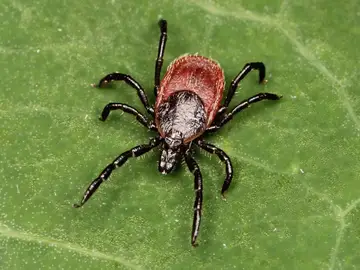
  • Western Black-legged Tick
    Photo: Kaldari · CC0 · Wikimedia Commons

    Western Black-legged Tick

    Can transmit the bacteria that causes Lyme disease. “Western black-legged ticks can transmit Borrelia burgdorferi, the bacteria that causes Lyme disease.” Washington State Department of Health

  • Rocky Mountain Wood Tick

    One of four tick species DOH says bite and transmit disease to people. “Learn about the four tick species commonly found in Washington that are known to bite and transmit diseases to people.” Washington State Department of Health

  • Western Dog Tick

    One of four tick species DOH says bite and transmit disease to people. “Learn about the four tick species commonly found in Washington that are known to bite and transmit diseases to people.” Washington State Department of Health

  • Soft Tick

    Vector of tick-borne relapsing fever. “Ornithodoros hermsi is the vector for tick-borne relapsing fever.” Washington State Department of Health

All 8 insects and 4 ticks

Venomous species first, then A to Z. Do not handle them.

No confirmed photo of Bumble Bee

Bumble Bee

Venomous per Washington State Department of Health

What the sources say

Venom: “The bee or wasp stinger injects venom into the skin.” (Washington State Department of Health)

No confirmed photo of Honey Bee

Honey Bee

Venomous per Washington State Department of Health

What the sources say

Venom: “The bee or wasp stinger injects venom into the skin.” (Washington State Department of Health)

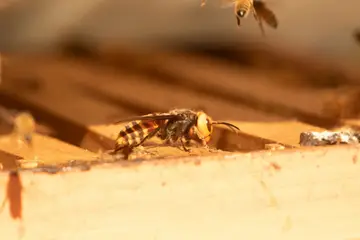
Northern Giant Hornet
Photo: WATANABE Hitoshi 渡辺仁 · CC BY 4.0 · iNaturalist

Northern Giant Hornet

Vespa mandarinia

Venomous Invasive per Washington Invasive Species Council

Danger to people
“Use extreme caution near a northern giant hornet.” Washington Invasive Species Council
Size
Usually 1.5 to 2 inches long; the world's largest hornet.
How to recognize it
  • Size: no native wasp or hornet in Washington grows this large
  • Large yellow or orange head
  • Sign of attack: piles of dead, mostly headless honey bees outside a hive
Where in Washington
Verified in Blaine (2019) and Bellingham (2020); declared eradicated from the United States in late 2024. Washington Invasive Species Council
What the sources say

Venom: “It can sting multiple times and has powerful venom that can inflict serious injury, or in some cases, death.” (Washington Invasive Species Council)

Full Northern Giant Hornet guide

No confirmed photo of Paper Wasp

Paper Wasp

Venomous per Washington State Department of Health

What the sources say

Venom: “The bee or wasp stinger injects venom into the skin.” (Washington State Department of Health)

No confirmed photo of Yellowjackets

Yellowjackets

Vespula species

Venomous per Washington State Department of Health

What the sources say

Venom: “The bee or wasp stinger injects venom into the skin.” (Washington State Department of Health)

No confirmed photo of Deer and Horse Flies

Deer and Horse Flies

Not stated

Venom
No official source we use states whether this animal is venomous. That does not mean it is harmless: do not handle it.
No confirmed photo of European Fire Ant

European Fire Ant

Myrmica rubra

Not stated Invasive

Venom
No official source we use states whether this animal is venomous. That does not mean it is harmless: do not handle it.
Danger to people
“While generally not severe, a sting can cause allergic reactions, including severe anaphylaxis.” Washington State Department of Health
Where in Washington
Primarily detected around the Seattle area, per DOH. Washington State Department of Health
No confirmed photo of Mosquitoes (over 40 species)

Mosquitoes (over 40 species)

Not stated

Venom
No official source we use states whether this animal is venomous. That does not mean it is harmless: do not handle it.
No confirmed photo of Rocky Mountain Wood Tick

Rocky Mountain Wood Tick

Dermacentor andersoni

Not stated Tick: an arachnid, not an insect

Venom
No official source we use states whether this animal is venomous. That does not mean it is harmless: do not handle it.
Danger to people
“Learn about the four tick species commonly found in Washington that are known to bite and transmit diseases to people.” Washington State Department of Health
No confirmed photo of Soft Tick

Soft Tick

Ornithodoros hermsi

Not stated Tick: an arachnid, not an insect

Venom
No official source we use states whether this animal is venomous. That does not mean it is harmless: do not handle it.
Danger to people
“Ornithodoros hermsi is the vector for tick-borne relapsing fever.” Washington State Department of Health
Western Black-legged Tick
Photo: Kaldari · CC0 · Wikimedia Commons

Western Black-legged Tick

Ixodes pacificus

Not stated Tick: an arachnid, not an insect

Venom
No official source we use states whether this animal is venomous. That does not mean it is harmless: do not handle it.
Danger to people
“Western black-legged ticks can transmit Borrelia burgdorferi, the bacteria that causes Lyme disease.” Washington State Department of Health
Where in Washington
Mainly Western Washington and the eastern slopes of the Cascade Mountains. Washington State Department of Health
No confirmed photo of Western Dog Tick

Western Dog Tick

Not stated Tick: an arachnid, not an insect

Venom
No official source we use states whether this animal is venomous. That does not mean it is harmless: do not handle it.
Danger to people
“Learn about the four tick species commonly found in Washington that are known to bite and transmit diseases to people.” Washington State Department of Health
Where in Washington
Eastern and parts of southwest Washington. Washington State Department of Health

When insects are active in Washington

Records of insects in Washington peak in June to August. They show when people record insects, not how many there are (about month bars).

47,526 records of insects in Washington by month (GBIF, CC0 and CC BY records).

If you are bitten or stung

Call 911 or Poison Help at 1-800-222-1222 right away. Poison Help connects you to your local poison center, any time of day.

How to report

Dangerous wildlife: emergency 911; non-emergency 877-933-9847 or the WDFW online report. Invasive species: Washington Invasive Species Council web form or WA Invasives app; aquatic invasive species hotline 1-888-WDFW-AIS, [email protected]. Washington Department of Fish and Wildlife

About this list

The species list comes from No official complete list; medically significant and commonly asked species from DOH Pests pages, the Washington Invasive Species Council and WSU (Washington State Department of Health, undated pages; retrieved 2026-11-03). 8 more entries come from other official sources named on each card.

Venom labels come only from official sources and link to them; "Not stated" never means harmless. How labels work.

"Nonnative" and "Invasive" follow the wording of the source list. See invasive species in Washington.

Sources

  1. About WDFW. Washington Department of Fish and Wildlife. undated page; checked November 3, 2026.
  2. Bees and Wasps. Washington State Department of Health. undated page; checked November 3, 2026.
    Quoted passages (3)
    “The bee or wasp stinger injects venom into the skin.”
    “Allergic reactions to bee or wasp stings can be deadly.”
    “Bees and wasps are commonly encountered, especially during late summer when they are most abundant and more active.”
  3. Northern Giant Hornet. Washington Invasive Species Council (state agency council, Recreation and Conservation Office). undated page; checked November 3, 2026.
    Quoted passages (4)
    “It can sting multiple times and has powerful venom that can inflict serious injury, or in some cases, death.”
    “There is not a native species of wasp or hornet in Washington State that grows to the size of a northern giant hornet.”
    “In addition to its large size, its yellow or orange head is another identifying feature.”
    “Use extreme caution near a northern giant hornet.”
  4. European Fire Ants. Washington State Department of Health. undated page; checked November 3, 2026.
    Quoted passages (1)
    “While generally not severe, a sting can cause allergic reactions, including severe anaphylaxis.”
  5. Biting Flies. Washington State Department of Health. undated page; checked November 3, 2026.
  6. Mosquitoes. Washington State Department of Health. undated page; checked November 3, 2026.
    Quoted passages (1)
    “Not only a nuisance, mosquitoes can pose a serious health threat to people.”
  7. Tick Photo Gallery. Washington State Department of Health. undated page; checked November 3, 2026.
    Quoted passages (2)
    “Western black-legged ticks can transmit Borrelia burgdorferi, the bacteria that causes Lyme disease.”
    “Ornithodoros hermsi is the vector for tick-borne relapsing fever.”
  8. Ticks. Washington State Department of Health. undated page; checked November 3, 2026.
    Quoted passages (2)
    “Learn about the four tick species commonly found in Washington that are known to bite and transmit diseases to people.”
    “Walk in the center of trails, particularly in spring and summer when ticks feed.”
  9. Dangerous wildlife. Washington Department of Fish and Wildlife. undated page; checked November 3, 2026.
    Quoted passages (1)
    “For non-emergency dangerous wildlife complaints, call 877-933-9847, or submit an online report.”
  10. GBIF.org occurrence records, human observations licensed CC0 1.0 or CC BY 4.0 only, accessed November 3, 2026. The datasets behind these counts are listed on our Sources page.