States Wildlife

Sharks in California: Species, Stingrays & Safety

Last checked November 3, 2026 against official sources.

On this page
  1. Which sharks, rays and other marine animals can hurt you
  2. All 17 sharks, rays and other marine animals
  3. Lookalikes
  4. When they are active
  5. If you are bitten or stung
  6. How to report
  7. What official sources say
  8. About this list
  9. Sources

This page lists 17 sharks, rays and other marine animals: all from Marine Region's CDFW Marine Species Information Portal, group "Sharks/Rays". 2 are venomous by official accounts.

Which sharks, rays and other marine animals can hurt you

Official sources single out these sharks, rays and other marine animals in California, in their own words:

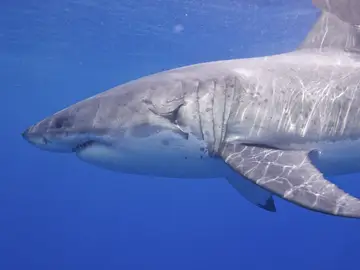
  • White Shark
    Photo: Elias Levy · CC BY 2.0 · Wikimedia Commons

    White Shark

    Responsible for the vast majority of shark incidents. “Since 1950, there have been less than 250 shark incidents in California involving many species of sharks, the vast majority of which involved white sharks …” Marine Region

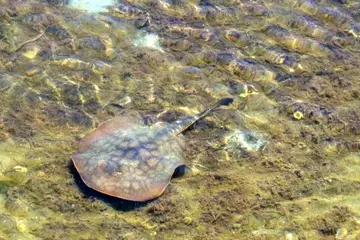
  • Round Stingray
    Photo: Vijay Barve · CC0 1.0 · iNaturalist

    Round Stingray

    Venomous tail spine. “Although stingrays do not attack people, the tail spines can cause painful wounds if stepped upon or handled without caution.” Florida Museum of Natural History

All 17 sharks, rays and other marine animals

Venomous species first, then A to Z. Do not handle them.

No confirmed photo of Bat Ray

Bat Ray

Myliobatis californica

Venomous per Florida Museum of Natural History

Where in California
CDFW portal regions: North Coast, Central Coast, South Coast Marine Region
What the sources say

Venom: “However, care should be taken when handling these fish due to the venomous spine that is located at the base of the tail.” (Florida Museum of Natural History)

Round Stingray
Photo: Vijay Barve · CC0 1.0 · iNaturalist

Round Stingray

Urobatis halleri (Previously Urolophus halleri)

Venomous per Florida Museum of Natural History

Danger to people
“Although stingrays do not attack people, the tail spines can cause painful wounds if stepped upon or handled without caution.” Florida Museum of Natural History
Where in California
CDFW portal regions: North Coast, Central Coast, South Coast Marine Region
3,643 records by month.
What the sources say

Venom: “It also has a venomous spine halfway down its tail, so caution should be used handling these rays, or when in its habitat.” (Florida Museum of Natural History)

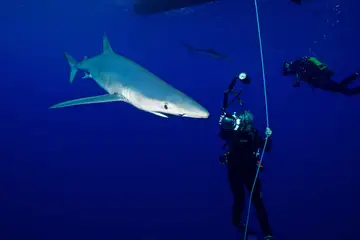
Blue Shark
Photo: Juergen Gangoly · CC BY-SA 4.0 · Wikimedia Commons · resized

Blue Shark

Prionace glauca

Not stated

Venom
No official source we use states whether this animal is venomous. That does not mean it is harmless: do not handle it.
Where in California
CDFW portal regions: North Coast, Central Coast, South Coast Marine Region
3,486 records by month.
No confirmed photo of Broadnose Sevengill Shark

Broadnose Sevengill Shark

Notorynchus cepedianus (formerly N. maculatus)

Not stated

Venom
No official source we use states whether this animal is venomous. That does not mean it is harmless: do not handle it.
Where in California
CDFW portal regions: North Coast, Central Coast, South Coast Marine Region
No confirmed photo of Brown Smoothhound Shark

Brown Smoothhound Shark

Mustelus henlei

Not stated

Venom
No official source we use states whether this animal is venomous. That does not mean it is harmless: do not handle it.
Where in California
CDFW portal regions: North Coast, Central Coast, South Coast Marine Region
No confirmed photo of Common Thresher Shark

Common Thresher Shark

Alopias vulpinus

Not stated

Venom
No official source we use states whether this animal is venomous. That does not mean it is harmless: do not handle it.
Where in California
CDFW portal regions: North Coast, Central Coast, South Coast Marine Region
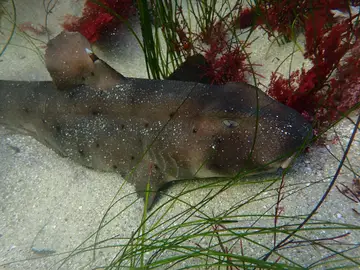
Horn Shark
Photo: tunicatedreamz · CC BY 4.0 · iNaturalist

Horn Shark

Heterodontus francisci

Not stated

Venom
No official source we use states whether this animal is venomous. That does not mean it is harmless: do not handle it.
Where in California
CDFW portal regions: Central Coast, South Coast Marine Region
No confirmed photo of Leopard Shark

Leopard Shark

Triakis semifasciata

Not stated

Venom
No official source we use states whether this animal is venomous. That does not mean it is harmless: do not handle it.
Where in California
CDFW portal regions: North Coast, Central Coast, South Coast Marine Region
No confirmed photo of Pacific Angel Shark

Pacific Angel Shark

Squatina californica

Not stated

Venom
No official source we use states whether this animal is venomous. That does not mean it is harmless: do not handle it.
Where in California
CDFW portal regions: North Coast, Central Coast, South Coast Marine Region
No confirmed photo of Pacific Spiny Dogfish

Pacific Spiny Dogfish

Squalus suckleyi

Not stated

Venom
No official source we use states whether this animal is venomous. That does not mean it is harmless: do not handle it.
Where in California
CDFW portal regions: North Coast, Central Coast, South Coast Marine Region
No confirmed photo of Salmon Shark

Salmon Shark

Lamna ditropis

Not stated

Venom
No official source we use states whether this animal is venomous. That does not mean it is harmless: do not handle it.
Where in California
CDFW portal regions: North Coast, Central Coast, South Coast Marine Region
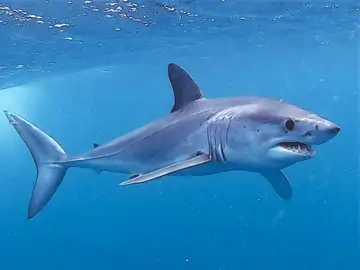
Shortfin Mako Shark
Photo: Fábio Olmos · CC BY 4.0 · iNaturalist

Shortfin Mako Shark

Isurus oxyrinchus

Not stated

Venom
No official source we use states whether this animal is venomous. That does not mean it is harmless: do not handle it.
Size
Up to about 13 ft (NOAA, Atlantic; Florida Museum); Pacific: up to 12 ft, averaging 6 to 7 ft (NOAA). SCDNR: averages 5 to 8 ft.
How to recognize it
  • Very pointed snout and long gill slits
  • Crescent-shaped (lunate) tail with a single strong keel on each side of the tail base
  • Long, slender, smooth-edged teeth, visible even with the mouth closed
Where in California
CDFW portal regions: North Coast, Central Coast, South Coast Marine Region

Full Shortfin Mako Shark guide

No confirmed photo of Shovelnose Guitarfish

Shovelnose Guitarfish

Rhinobatos productus

Not stated

Venom
No official source we use states whether this animal is venomous. That does not mean it is harmless: do not handle it.
Where in California
CDFW portal regions: North Coast, Central Coast, South Coast Marine Region
No confirmed photo of Soupfin Shark

Soupfin Shark

Galeorhinus galeus

Not stated

Venom
No official source we use states whether this animal is venomous. That does not mean it is harmless: do not handle it.
Where in California
CDFW portal regions: North Coast, Central Coast, South Coast Marine Region
No confirmed photo of Swell Shark

Swell Shark

Cephaloscyllium ventriosum

Not stated

Venom
No official source we use states whether this animal is venomous. That does not mean it is harmless: do not handle it.
Where in California
CDFW portal regions: Central Coast, South Coast Marine Region
No confirmed photo of Thornback

Thornback

Platyrhinoidis triseriata

Not stated

Venom
No official source we use states whether this animal is venomous. That does not mean it is harmless: do not handle it.
Where in California
CDFW portal regions: North Coast, Central Coast, South Coast Marine Region
White Shark
Photo: Elias Levy · CC BY 2.0 · Wikimedia Commons

White Shark

Carcharodon carcharias

Not stated

Venom
No official source we use states whether this animal is venomous. That does not mean it is harmless: do not handle it.
Danger to people
“Since 1950, there have been less than 250 shark incidents in California involving many species of sharks, the vast majority of which involved white sharks …” Marine Region
Size
Born about 4 feet long; grows to about 20-21 feet and over 4,000 pounds (NOAA quick facts: up to 4,500 pounds).
How to recognize it
  • Torpedo-shaped body, conical snout, prominent keel at the base of a crescent-shaped tail
  • Large first dorsal fin, usually with a pointed tip
  • Broad, triangular, serrated teeth
Where in California
CDFW portal regions: North Coast, Central Coast, South Coast Marine Region
Conservation
No. It is NOT legal to fish for or catch white sharks, as they have been protected in California since January 1, 1994.

Full White Shark guide

Sharks and Marine Life people confuse

Shortfin Mako Shark or White shark?

Shortfin Mako Shark
Photo: Fábio Olmos · CC BY 4.0 · iNaturalist

Shortfin Mako Shark Not stated

White shark
Photo: Elias Levy · CC BY 2.0 · Wikimedia Commons

White shark Not stated

The white shark has broad, triangular, serrated teeth; mako teeth are slender and smooth-edged.

Great white shark or Shortfin mako shark?

Great white shark
Photo: Elias Levy · CC BY 2.0 · Wikimedia Commons

Great white shark Not stated

Shortfin mako shark
Photo: Fábio Olmos · CC BY 4.0 · iNaturalist

Shortfin mako shark Not stated

Mako lacks black tips on the undersides of the fins and has thin, pointed teeth without serrations. Marine Region

Great white shark or Salmon shark?

Great white shark
Photo: Elias Levy · CC BY 2.0 · Wikimedia Commons

Great white shark Not stated

No confirmed photo of Salmon shark

Salmon shark Not stated

Salmon shark has a generally darker back, larger eye and shorter snout, white coloring above the pectoral fins, and pointed teeth without serrations. Marine Region

Photos show typical adults; individuals vary. Never get close to compare.

When sharks, rays and other marine animals are active in California

Records of sharks, rays and other marine animals in California peak in August to September. They show when people record sharks, rays and other marine animals, not how many there are (about month bars).

65,158 records of sharks, rays and other marine animals in California by month (GBIF, CC0 and CC BY records).
  • Shark incidents more common in late summer and fall (warmest water, more beachgoers) Marine Region

If you are bitten or stung

Call 911 or Poison Help at 1-800-222-1222 right away. Poison Help connects you to your local poison center, any time of day.

Official advice from Marine Region:

  • Only guaranteed way to avoid a shark interaction is to stay out of the ocean Marine Region

How to report

Wildlife conflicts: CDFW Wildlife Incident Reporting (WIR) system https://apps.wildlife.ca.gov/wir, emergencies 9-1-1. Invasive animal sightings: CDFW Invasive Species Program (866) 440-9530 or [email protected]; invasive insects/spiders/terrestrial invertebrates: California Department of Food and Agriculture 1-800-491-1899. California Department of Fish and Wildlife

What official sources say

Are there great white sharks in California?

Yes. CDFW: white sharks are responsible for the vast majority of shark incidents off California; incidents are extremely rare. Marine Region

“Incidents where sharks bite humans are extremely rare in California.”

About this list

The species list comes from CDFW Marine Species Information Portal, group "Sharks/Rays" (managed/fished species; not a complete list of every shark recorded off California) (California Department of Fish and Wildlife (Marine Region), 2026-11-03 (live portal)).

Venom labels come only from official sources and link to them; "Not stated" never means harmless. How labels work.

Sources

  1. Human-Wildlife Conflicts Toolkit. California Department of Fish and Wildlife. undated page; checked November 3, 2026.
  2. Marine Species Information Portal - species list (API behind https://marinespecies.wildlife.ca.gov/). California Department of Fish and Wildlife (Marine Region). live data; checked November 3, 2026.
  3. Bat Ray - Discover Fishes species profile. Florida Museum of Natural History (University of Florida). February 6, 2025; checked November 3, 2026.
    Quoted passages (1)
    “However, care should be taken when handling these fish due to the venomous spine that is located at the base of the tail.”
  4. Round Stingray - Discover Fishes species profile. Florida Museum of Natural History (University of Florida). February 12, 2025; checked November 3, 2026.
    Quoted passages (2)
    “It also has a venomous spine halfway down its tail, so caution should be used handling these rays, or when in its habitat.”
    “Although stingrays do not attack people, the tail spines can cause painful wounds if stepped upon or handled without caution.”
  5. White Shark Information. California Department of Fish and Wildlife (Marine Region). undated page; checked November 3, 2026.
    Quoted passages (6)
    “Since 1950, there have been less than 250 shark incidents in California involving many species of sharks, the vast majority of which involved white sharks. Of those, fewer than 20 were fatal and all of the fatalities likely involved white sharks (see details below).”
    “There is only one guaranteed method for avoiding a shark interaction: stay out of the ocean.”
    “While more shark incidents occur in the late summer and fall, this is consistent with the warmest water in California, and times when more people are at the beaches.”
    “Incidents where sharks bite humans are extremely rare in California.”
    “…the mako shark (Isurus oxyrinchus), which lacks black tips on the undersides of the fins and has thin, pointed teeth without serrations”
    “…the salmon shark (Lamna ditropis), which has a generally darker back, larger eye, and shorter snout. It also has white coloration above the pectoral fins, and pointed teeth without serration.”
  6. Report an Invasive Species Sighting. California Department of Fish and Wildlife (Invasive Species Program). undated page; checked November 3, 2026.
    Quoted passages (1)
    “To report a sighting of a known, or suspected invasive species of an animal (mammal, bird, reptile, amphibian, fish, aquatic invertebrate) or marine plant, complete and submit the Suspect Invasive Species Sighting Report form below or contact us at (866) 440-9530. / For a known invasive plant, terrestrial invertebrate (worm, beetle, spider, bug, bee, fly, ant, snail, etc.) or plant/tree disease, or one that you suspect may be new to your area of California, contact the California Department of Food and Agriculture at 1-800-491-1899. / [ca-cdfw-hwc] Wildlife Incident Reporting (WIR) System For Emergencies, call 9-1-1”
  7. GBIF.org occurrence records, human observations licensed CC0 1.0 or CC BY 4.0 only, accessed November 3, 2026. The datasets behind these counts are listed on our Sources page.