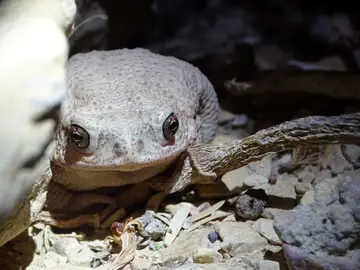
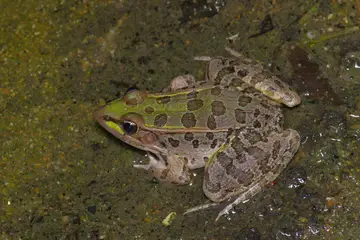
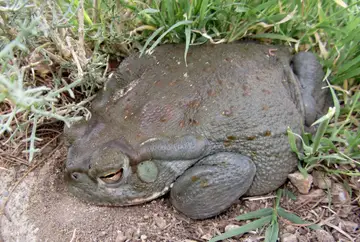
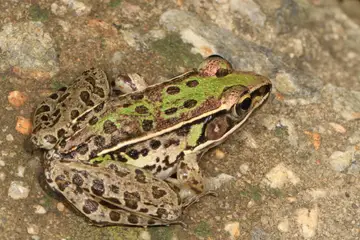
States Wildlife

California Frogs and Toads: Pictures & ID Guide

Last checked November 3, 2026 against official sources.

On this page
  1. All 31 frogs and toads
  2. Lookalikes
  3. When they are active
  4. How to report
  5. About this list
  6. Sources

This page lists 31 species: all from CWHR Program's Complete List of Amphibian, Reptile, Bird and Mammal Species in California. 5 are nonnative.

All 31 frogs and toads

From A to Z.

No confirmed photo of African Clawed Frog

African Clawed Frog

Xenopus laevis

Not stated Invasive

Venom
No official source we use states whether this animal is venomous. That does not mean it is harmless: do not handle it.
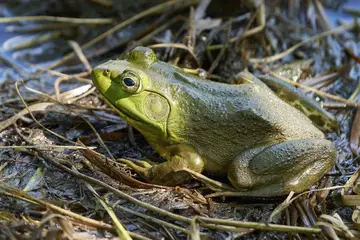
American Bullfrog
Photo: Paul Danese · CC BY-SA 4.0 · Wikimedia Commons · resized

American Bullfrog

Lithobates catesbeianus

Not stated Invasive

Venom
No official source we use states whether this animal is venomous. That does not mean it is harmless: do not handle it.
Size
Usually 6 to 8 inches long (NCWRC); can reach 8 inches or more and weigh over 2 pounds (CDFW). Missouri gives 3.5 to 6 inches snout to vent, occasionally to 8.75.
How to recognize it
  • No ridge (dorsolateral fold) down each side of the back
  • Large round eardrum: about twice the eye in males, about eye-sized in females
  • Fully webbed hind feet, longest toe extends past the webbing
1,105 records by month.

Full American Bullfrog guide

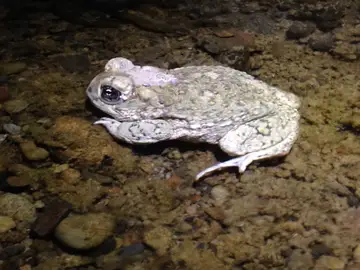
Arroyo Toad
Photo: Adam J. Searcy · CC BY 4.0 · iNaturalist

Arroyo Toad

Anaxyrus californicus

Not stated

Venom
No official source we use states whether this animal is venomous. That does not mean it is harmless: do not handle it.
No confirmed photo of Baja California Treefrog

Baja California Treefrog

Pseudacris hypochondriaca

Not stated

Venom
No official source we use states whether this animal is venomous. That does not mean it is harmless: do not handle it.
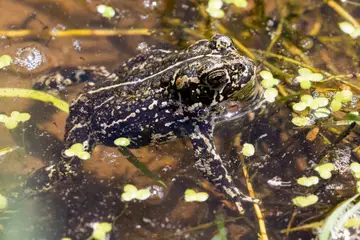
Black Toad
Photo: RJ Baltierra · CC BY 4.0 · iNaturalist

Black Toad

Anaxyrus exsul

Not stated

Venom
No official source we use states whether this animal is venomous. That does not mean it is harmless: do not handle it.
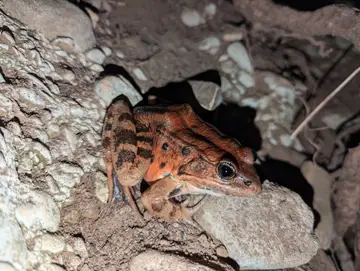
California Red-legged Frog
Photo: Zack Abbey · CC BY 4.0 · iNaturalist

California Red-legged Frog

Rana draytonii

Not stated

Venom
No official source we use states whether this animal is venomous. That does not mean it is harmless: do not handle it.
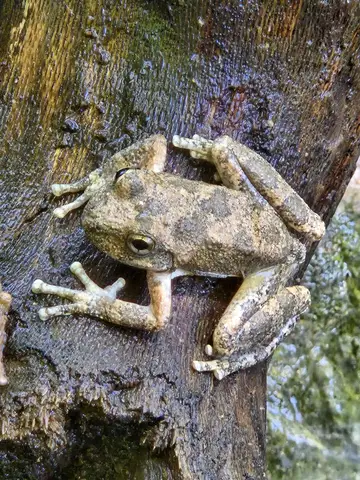
California Treefrog
Photo: Cristhian Mace · CC BY 4.0 · iNaturalist

California Treefrog

Pseudacris cadaverina

Not stated

Venom
No official source we use states whether this animal is venomous. That does not mean it is harmless: do not handle it.
No confirmed photo of Cascades Frog

Cascades Frog

Rana cascadae

Not stated

Venom
No official source we use states whether this animal is venomous. That does not mean it is harmless: do not handle it.
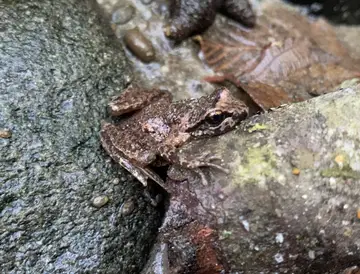
Coastal Tailed Frog
Photo: John G. Phillips · CC BY 4.0 · iNaturalist

Coastal Tailed Frog

Ascaphus truei

Not stated

Venom
No official source we use states whether this animal is venomous. That does not mean it is harmless: do not handle it.
No confirmed photo of Columbia Spotted Frog

Columbia Spotted Frog

Rana luteiventris

Not stated

Venom
No official source we use states whether this animal is venomous. That does not mean it is harmless: do not handle it.
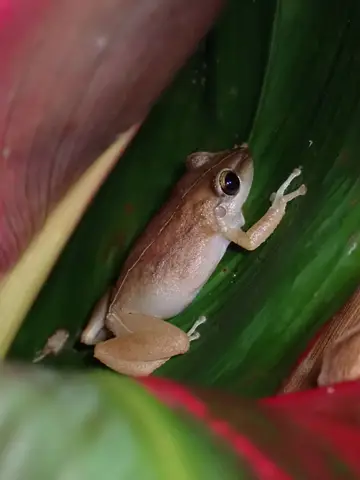
Coqui
Photo: Cricket Raspet · CC BY 4.0 · Wikimedia Commons

Coqui

Eleutherodactylus coqui

Not stated Nonnative

Venom
No official source we use states whether this animal is venomous. That does not mean it is harmless: do not handle it.
Size
1 to 2 inches (HISC; CDFW: average 1 to 2 inches, females slightly larger). USGS: 33 to 57 mm snout to rear, Florida animals slightly smaller.
How to recognize it
  • Loud, whistling "ko-KEE" call of the male, heard at night
  • Round body, broad rounded snout and distinct toe pads
  • Eyes gold to brown; large toes for climbing and no webbing on the feet

Full Coqui guide

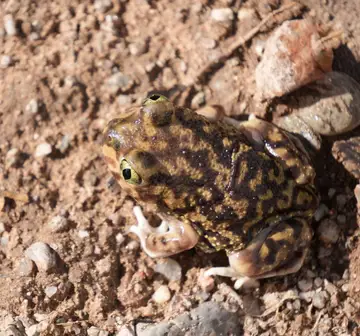
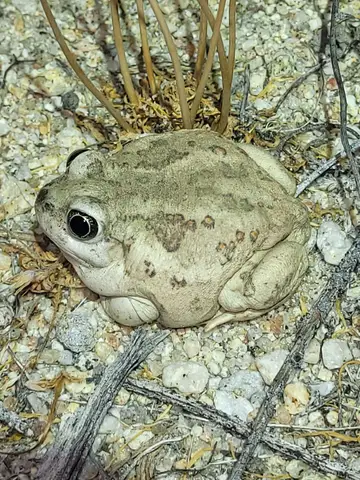
Couch's Spadefoot
Photo: Lon Brehmer · CC BY 4.0 · iNaturalist

Couch's Spadefoot

Scaphiopus couchii

Not stated

Venom
No official source we use states whether this animal is venomous. That does not mean it is harmless: do not handle it.
Foothill Yellow-legged Frog
Photo: Alan Rockefeller · CC BY 4.0 · iNaturalist

Foothill Yellow-legged Frog

Rana boylii

Not stated

Venom
No official source we use states whether this animal is venomous. That does not mean it is harmless: do not handle it.
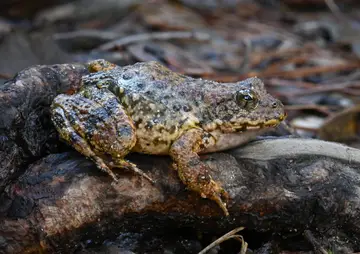
Great Basin Spadefoot
Photo: RJ Baltierra · CC BY 4.0 · iNaturalist

Great Basin Spadefoot

Spea intermontana

Not stated

Venom
No official source we use states whether this animal is venomous. That does not mean it is harmless: do not handle it.
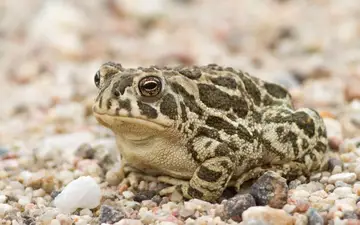
Great Plains Toad
Photo: Fyn Kynd · CC BY-SA 4.0 · iNaturalist · resized

Great Plains Toad

Anaxyrus cognatus

Not stated

Venom
No official source we use states whether this animal is venomous. That does not mean it is harmless: do not handle it.
No confirmed photo of Lowland Leopard Frog

Lowland Leopard Frog

Lithobates yavapaiensis

Not stated

Venom
No official source we use states whether this animal is venomous. That does not mean it is harmless: do not handle it.
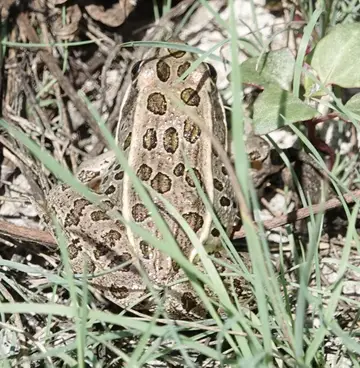
Northern Leopard Frog
Photo: Colin Croft · CC BY 4.0 · iNaturalist

Northern Leopard Frog

Lithobates pipiens

Not stated

Venom
No official source we use states whether this animal is venomous. That does not mean it is harmless: do not handle it.
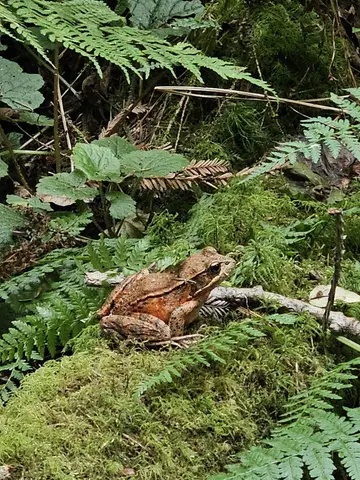
Northern Red-legged Frog
Photo: Mandy Hackney · CC BY 4.0 · iNaturalist

Northern Red-legged Frog

Rana aurora

Not stated

Venom
No official source we use states whether this animal is venomous. That does not mean it is harmless: do not handle it.
No confirmed photo of Oregon Spotted Frog

Oregon Spotted Frog

Rana pretiosa

Not stated

Venom
No official source we use states whether this animal is venomous. That does not mean it is harmless: do not handle it.
No confirmed photo of Pacific Treefrog

Pacific Treefrog

Pseudacris regilla

Not stated

Venom
No official source we use states whether this animal is venomous. That does not mean it is harmless: do not handle it.
4,917 records by month.
Red-spotted Toad
Photo: Nathan May · CC BY 4.0 · iNaturalist

Red-spotted Toad

Anaxyrus punctatus

Not stated

Venom
No official source we use states whether this animal is venomous. That does not mean it is harmless: do not handle it.
Rio Grande Leopard Frog
Photo: Michelle W. (鍾偉瑋) · CC BY 4.0 · iNaturalist

Rio Grande Leopard Frog

Lithobates berlandieri

Not stated Nonnative

Venom
No official source we use states whether this animal is venomous. That does not mean it is harmless: do not handle it.
No confirmed photo of Sierra Nevada Yellow-legged Frog

Sierra Nevada Yellow-legged Frog

Rana sierrae

Not stated

Venom
No official source we use states whether this animal is venomous. That does not mean it is harmless: do not handle it.
No confirmed photo of Sierran Treefrog

Sierran Treefrog

Pseudacris sierra

Not stated

Venom
No official source we use states whether this animal is venomous. That does not mean it is harmless: do not handle it.
Sonoran Desert Toad
Photo: Lon Brehmer · CC BY 4.0 · iNaturalist

Sonoran Desert Toad

Incilius alvarius

Not stated

Venom
No official source we use states whether this animal is venomous. That does not mean it is harmless: do not handle it.
Size
Up to 7.5 inches or more (AZGFD); NPS Saguaro gives 4 to 7.5 inches.
How to recognize it
  • Cranial crests on the head and long glands behind the head and on the hind legs
  • Amber eye, with a large oval parotoid gland and round eardrum behind it
  • Call is a short, low toot; AZGFD compares it to a ferry boat whistle

Full Sonoran Desert Toad guide

Southern Leopard Frog
Photo: Judy Gallagher · CC BY-SA 4.0 · iNaturalist · resized

Southern Leopard Frog

Lithobates sphenocephalus

Not stated Nonnative

Venom
No official source we use states whether this animal is venomous. That does not mean it is harmless: do not handle it.
No confirmed photo of Southern Mountain Yellow-legged Frog

Southern Mountain Yellow-legged Frog

Rana muscosa

Not stated

Venom
No official source we use states whether this animal is venomous. That does not mean it is harmless: do not handle it.
Western Spadefoot
Photo: Ken-ichi Ueda · CC BY 4.0 · iNaturalist

Western Spadefoot

Spea hammondii

Not stated

Venom
No official source we use states whether this animal is venomous. That does not mean it is harmless: do not handle it.
No confirmed photo of Western Toad

Western Toad

Anaxyrus boreas

Not stated

Venom
No official source we use states whether this animal is venomous. That does not mean it is harmless: do not handle it.
No confirmed photo of Woodhouse's Toad

Woodhouse's Toad

Anaxyrus woodhousii

Not stated

Venom
No official source we use states whether this animal is venomous. That does not mean it is harmless: do not handle it.
No confirmed photo of Yosemite Toad

Yosemite Toad

Anaxyrus canorus

Not stated

Venom
No official source we use states whether this animal is venomous. That does not mean it is harmless: do not handle it.

Frogs and Toads people confuse

Sonoran Desert toad or American bullfrog?

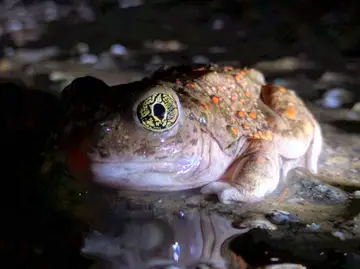
Sonoran Desert toad
Photo: Lon Brehmer · CC BY 4.0 · iNaturalist

Sonoran Desert toad Not stated

American bullfrog
Photo: Paul Danese · CC BY-SA 4.0 · Wikimedia Commons · resized

American bullfrog Not stated

NPS says it is sometimes mistaken for a bullfrog because of its size and smooth skin. The prominent parotoid glands mark it as a true toad.

Photos show typical adults; individuals vary. Never get close to compare.

When frogs and toads are active in California

Records of frogs and toads in California peak in March to August. They show when people record frogs and toads, not how many there are (about month bars).

9,680 records of frogs and toads in California by month (GBIF, CC0 and CC BY records).

How to report

Wildlife conflicts: CDFW Wildlife Incident Reporting (WIR) system https://apps.wildlife.ca.gov/wir, emergencies 9-1-1. Invasive animal sightings: CDFW Invasive Species Program (866) 440-9530 or [email protected]; invasive insects/spiders/terrestrial invertebrates: California Department of Food and Agriculture 1-800-491-1899. California Department of Fish and Wildlife

About this list

The species list comes from Complete List of Amphibian, Reptile, Bird and Mammal Species in California (California Department of Fish and Wildlife (CWHR Program), 2016-05).

Venom labels come only from official sources and link to them; "Not stated" never means harmless. How labels work.

"Nonnative" and "Invasive" follow the wording of the source list. See invasive species in California.

Want a paper copy? Print the California frogs and toads ID chart.

Sources

  1. Human-Wildlife Conflicts Toolkit. California Department of Fish and Wildlife. undated page; checked November 3, 2026.
  2. Complete List of Amphibian, Reptile, Bird and Mammal Species in California. California Department of Fish and Wildlife (CWHR Program). 2016-05 (document dated "May, 2016"; checked November 3, 2026.
  3. California's Invaders: Common Coqui. California Department of Fish and Wildlife (Invasive Species Program). undated page; checked November 3, 2026.
    Quoted passages (2)
    “Coquis are named after the call of the male, which is a loud, whistling ‘ ko-KEE ’ sound.”
    “Eye color of the common coqui ranges from gold to brown. Coquis have large toes for climbing and lack webbing on their feet.”
  4. California's Invaders: American Bullfrog. California Department of Fish and Wildlife (Invasive Species Program). undated page; checked November 3, 2026.
    Quoted passages (1)
    “Bullfrogs have large eardrums, or tympanum, which are larger in males (twice the size as their eye) than females (same size as their eye).”
  5. Report an Invasive Species Sighting. California Department of Fish and Wildlife (Invasive Species Program). undated page; checked November 3, 2026.
    Quoted passages (1)
    “To report a sighting of a known, or suspected invasive species of an animal (mammal, bird, reptile, amphibian, fish, aquatic invertebrate) or marine plant, complete and submit the Suspect Invasive Species Sighting Report form below or contact us at (866) 440-9530. / For a known invasive plant, terrestrial invertebrate (worm, beetle, spider, bug, bee, fly, ant, snail, etc.) or plant/tree disease, or one that you suspect may be new to your area of California, contact the California Department of Food and Agriculture at 1-800-491-1899. / [ca-cdfw-hwc] Wildlife Incident Reporting (WIR) System For Emergencies, call 9-1-1”
  6. GBIF.org occurrence records, human observations licensed CC0 1.0 or CC BY 4.0 only, accessed November 3, 2026. The datasets behind these counts are listed on our Sources page.