This page lists 23 insects: 18 from South Carolina Department of Natural Resources's Clemson HGIC factsheets and SWAP 2015 priority insects; no SC checklist exists and 5 named in other official sources.
3 are venomous by official accounts. 1 is nonnative.
Not every species: no complete official list of South Carolina insects exists, so this page covers the ones state and Extension sources name. How lists are built.
Which insects can hurt you
Official sources single out these insects in South Carolina, in their own words:
Venom: “Some species have hollow, stinging hairs with poison glands at the base. These special defensive hairs (called urticating setae) can puncture the skin and release venom.” (Clemson University Cooperative Extension, Home & Garden Information Center)
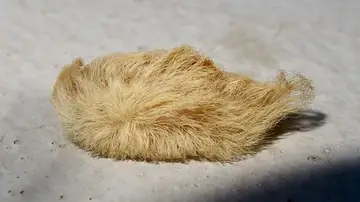
About 1 inch long per most extension sources; full-grown larvae reared by UF/IFAS reached about 1.4 inches (1.6 inches including the tail). MDC says about 1.5 inches.
How to recognize it
Teardrop shape with hairs tapering to a tail; looks like a tiny mouse or a cat
Resembles a tiny mouse; younger larvae have a thick tuft of hair like a tail. Older larvae can look unkempt, with sparser hair that hides the stinging spines less well (VCE).
Venomous hollow spines hidden under the soft hair
What the sources say
Venom: “Some species have hollow, stinging hairs with poison glands at the base. These special defensive hairs (called urticating setae) can puncture the skin and release venom.” (Clemson University Cooperative Extension, Home & Garden Information Center)
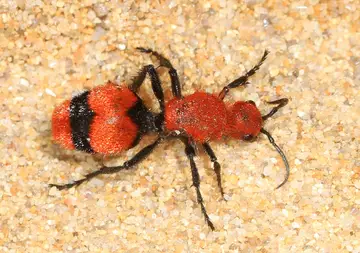
Velvet Ants (HGIC 2485). Clemson University Cooperative Extension, Home & Garden Information Center. Published Jan 6, 1998; checked November 3, 2026.Quoted passages (1)
“In South Carolina, they are common from about May through September.”
Paper Wasps (HGIC 2481). Clemson University Cooperative Extension, Home & Garden Information Center. Published Dec 6, 2002; checked November 3, 2026.Quoted passages (1)
“…they will sting if they feel threatened or provoked.”
Stinging Caterpillars (HGIC 2482). Clemson University Cooperative Extension, Home & Garden Information Center. Published Feb 6, 2001; checked November 3, 2026.Quoted passages (2)
“Some species have hollow, stinging hairs with poison glands at the base. These special defensive hairs (called urticating setae) can puncture the skin and release venom.”
“…most caterpillar stings in the South can be blamed on puss caterpillars.”
Sea Science: Sea Turtles. South Carolina Department of Natural Resources. undated page; checked November 3, 2026.Quoted passages (1)
“…can be found in South Carolina's near shore waters April through November or nesting on our beaches from May through October.”