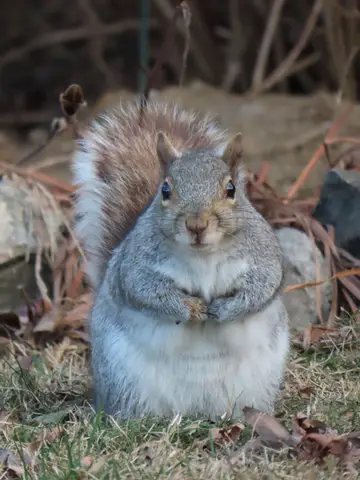
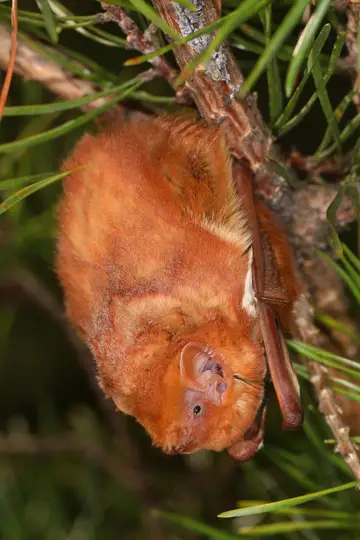
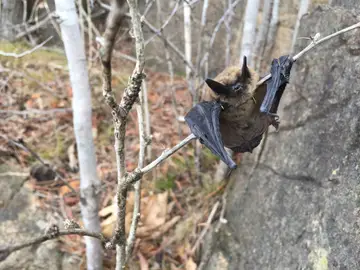
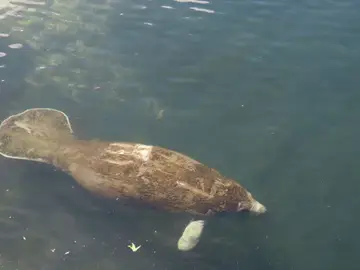
South Carolina Department of Natural Resources: South Carolina is home to approximately 101 native species of mammals
This page lists 51 mammals.
1 is nonnative. South Carolina Department of Natural Resources gives a total of 101; the 51 here are the mammals official sources name one by one.
Which mammals can hurt you
Official sources single out these mammals in South Carolina, in their own words:
Disease. “Skunks are highly susceptible to highway mortality, and are affected by a variety of diseases including rabies, distemper, and tularemia.” South Carolina Department of Natural Resources
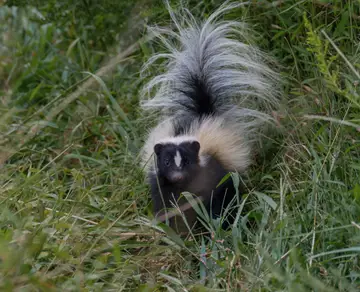
Spotted Skunk
Disease. “Skunks are highly susceptible to highway mortality, and are affected by a variety of diseases including rabies, distemper, and tularemia.” South Carolina Department of Natural Resources
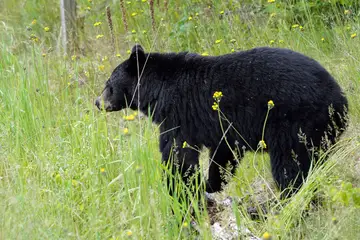
Smokies: males average about 6 ft long, 3 ft at the shoulder and 250 lb in summer; females usually just over 100 lb. Missouri: 46 to 78 inches long, 86 to 600 lb.
How to recognize it
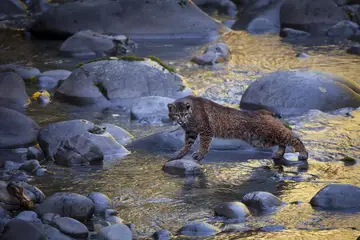
Straight facial profile, rounded erect ears, very short tail
Total length 18 to 50 inches, tail 3 to 8 inches, weight 8 to 49 pounds (Missouri). About twice the size of a house cat.
How to recognize it
Short 'bobbed' tail, 4 to 8 inches, with a black tip and white underneath (Arizona). New Mexico instead describes black bars on top, white underneath and a white tip.
Pointed ears with tufts at the tips, often with cheek tufts
Backs of the ears are black with a light central spot
“Skunks are highly susceptible to highway mortality, and are affected by a variety of diseases including rabies, distemper, and tularemia.” South Carolina Department of Natural Resources
“Skunks are highly susceptible to highway mortality, and are affected by a variety of diseases including rabies, distemper, and tularemia.” South Carolina Department of Natural Resources
Records of mammals in South Carolina peak in February to July and October. They show when people record mammals, not how many there are (about month bars).
JanFebMarAprMayJunJulAugSepOctNovDec
1,915 records of mammals in South Carolina by month (GBIF, CC0 and CC BY records).
If you are bitten or stung
Call 911 or Poison Help at 1-800-222-1222 right away. Poison Help connects you to your local poison center, any time of day.
“However, back in colonial times, South Carolina was also home to several additional species including the American Bison, Eastern Elk, Red Wolf, Gray Wolf, and Eastern Cougar.”
“South Carolina is home to approximately 101 native species of mammals”
“However, back in colonial times, South Carolina was also home to several additional species including the American Bison, Eastern Elk, Red Wolf, Gray Wolf, and Eastern Cougar.”
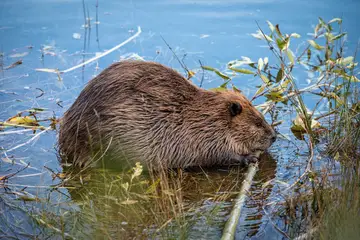
Beaver. South Carolina Department of Natural Resources. undated page; checked November 3, 2026.
Bobcat. South Carolina Department of Natural Resources. undated page; checked November 3, 2026.
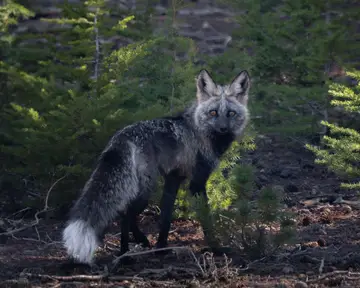
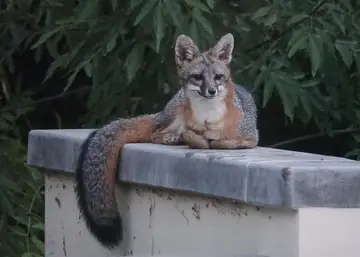
Gray Fox. South Carolina Department of Natural Resources. undated page; checked November 3, 2026.
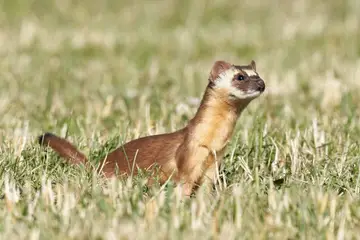
Long-tailed Weasel. South Carolina Department of Natural Resources. undated page; checked November 3, 2026.
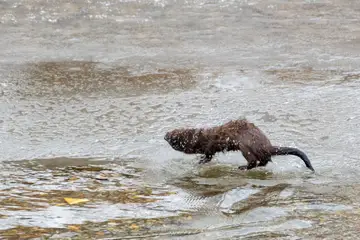
Mink. South Carolina Department of Natural Resources. undated page; checked November 3, 2026.
Muskrat. South Carolina Department of Natural Resources. undated page; checked November 3, 2026.
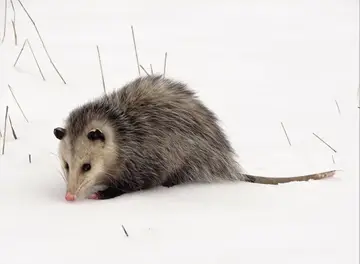
Opossum. South Carolina Department of Natural Resources. undated page; checked November 3, 2026.Quoted passages (1)
“The opossum weighs 4 to 7 lbs. and stands 6 to 8 inches high at the shoulder.”
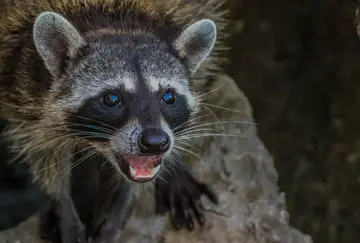
Raccoon. South Carolina Department of Natural Resources. undated page; checked November 3, 2026.Quoted passages (1)
“Rabies limits numbers in some areas.”
Red Fox. South Carolina Department of Natural Resources. undated page; checked November 3, 2026.Quoted passages (1)
“Red foxes are also subject to rabies and predation.”
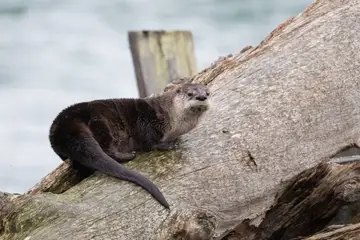
River Otter. South Carolina Department of Natural Resources. undated page; checked November 3, 2026.
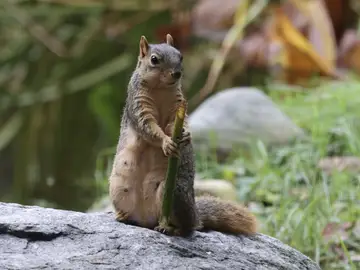
Southern Fox Squirrel. South Carolina Department of Natural Resources. undated page; checked November 3, 2026.
Spotted Skunk. South Carolina Department of Natural Resources. undated page; checked November 3, 2026.Quoted passages (1)
“Skunks are highly susceptible to highway mortality, and are affected by a variety of diseases including rabies, distemper, and tularemia.”
Striped Skunk. South Carolina Department of Natural Resources. undated page; checked November 3, 2026.Quoted passages (1)
“Skunks are highly susceptible to highway mortality, and are affected by a variety of diseases including rabies, distemper, and tularemia.”
Black Bear. South Carolina Department of Natural Resources. undated page; checked November 3, 2026.Quoted passages (1)
“In South Carolina, there are two resident populations of black bears, one in the mountains and upper piedmont and one in the coastal plain.”
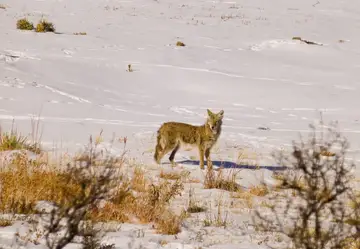
Coyote. South Carolina Department of Natural Resources. undated page; checked November 3, 2026.
Wild Hog. South Carolina Department of Natural Resources. undated page; checked November 3, 2026.