No confirmed photo of Honeybee
Honeybee
What the sources say
Venom: “The muscular poison sac will continue to pump venom” (University of Wisconsin-Extension, Cooperative Extension)
Last checked November 3, 2026 against official sources.
This page lists 4 insects. 2 are venomous by official accounts. 2 are nonnative.
Not every species: no complete official list of Wisconsin insects exists, so this page covers the ones state and Extension sources name. How lists are built.
Official sources single out these insects in Wisconsin, in their own words:
Stings. “Yellow jackets are responsible for a marked increase in stings and related problems from early August through September.” University of Wisconsin-Extension, Cooperative Extension
Venomous stings. “All other stinging bees and wasps have unbarbed stingers and can sting repeatedly if given the opportunity. The amount of venom injected will affect the severity of the reaction.” University of Wisconsin-Extension, Cooperative Extension
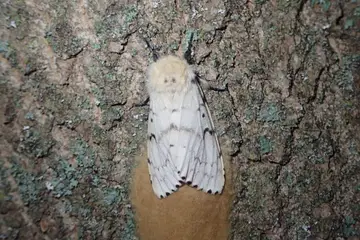
Caterpillar hairs can cause skin rashes and other reactions in some people (DNR). “In addition, the caterpillar hairs can cause skin rashes and other reactions in some people.” Wisconsin Department of Natural Resources
Urticating hairs can cause blisters, burns or rashes (UW-Extension). “Some types of hairy or spiny caterpil-lars are covered with urticating, or stinging, hairs.” University of Wisconsin-Extension, Cooperative Extension
Venomous species first, then A to Z. Do not handle them.
Venom: “The muscular poison sac will continue to pump venom” (University of Wisconsin-Extension, Cooperative Extension)
Venom: “All other stinging bees and wasps have unbarbed stingers and can sting repeatedly if given the opportunity. The amount of venom injected will affect the severity of the reaction.” (University of Wisconsin-Extension, Cooperative Extension)
Habitat: Some yellow jackets build nests of paper in rodent burrows or other cavities. (University of Wisconsin-Extension, Cooperative Extension)
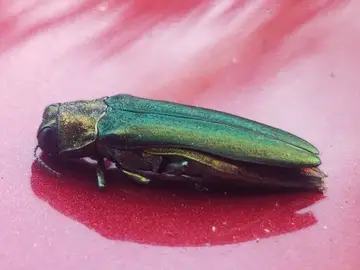
Agrilus planipennis
Lymantria dispar
Records of insects in Wisconsin peak in June to August. They show when people record insects, not how many there are (about month bars).
Call 911 or Poison Help at 1-800-222-1222 right away. Poison Help connects you to your local poison center, any time of day.
Official advice from Wisconsin Department of Health Services:
Rattlesnake sightings: call DNR 1-888-WDNRINFO (1-888-936-7463), or use the DNR Rare Species Observation Form / DNR Wildlife Switchboard ([email protected], 608-267-0866). Threatening wolves or wolf depredation: USDA-Wildlife Services (north 1-800-228-1368, south 1-800-433-0663). Spongy moth outside quarantined counties: 1-800-642-MOTH (6684). Other invasive species: DNR Report invasive species page. Feral pig sightings: DNR reporting form or USDA Wildlife Services (north 800-228-1368, south 800-433-0663). Wisconsin Department of Natural Resources, Bureau of Endangered Resources
Venom labels come only from official sources and link to them; "Not stated" never means harmless. How labels work.
"Nonnative" and "Invasive" follow the wording of the source list. See invasive species in Wisconsin.
“All other stinging bees and wasps have unbarbed stingers and can sting repeatedly if given the opportunity. The amount of venom injected will affect the severity of the reaction.”
“Yellow jackets are responsible for a marked increase in stings and related problems from early August through September.”
“The muscular poison sac will continue to pump venom”
“Some types of hairy or spiny caterpil-lars are covered with urticating, or stinging, hairs.”
“In addition, the caterpillar hairs can cause skin rashes and other reactions in some people.”
“Homeowners may see spongy moth caterpillars resting on tree trunks and buildings in June and July.”
“There are many ways to prevent tick bites, including doing daily tick checks, using insect repellent, and wearing appropriate clothes when you are outdoors.”
“After you, your family members, or your pets spend time in the woods or areas with tall grass or brush, it is always important to check for ticks, especially in the spring, summer, and early fall.”
“If you have a confirmed rattlesnake sighting, you can report it by calling: 1-888-WDNRINFO (1-888-936-7463).”