These are the animals official sources describe as venomous or as a risk to people in Pennsylvania, across 6 groups. The reason is given in the source's own terms.
Venomous: “One of only three venomous snakes common to Pennsylvania, the eastern copperhead is a close cousin of the cottonmouth or water moccasin found in more southerly aquatic environments.”
Venomous: “Though not the largest snake found in Pennsylvania, the timber rattlesnake has the distinction of being the largest of our three venomous species.”
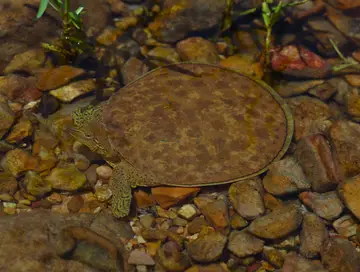
May lash out and lunge repeatedly on land (bite risk): “Although on land it may lash out viciously, it is generally inoffensive when submerged in water where it spends most of its time.”
Venomous: “Stinging or biting insects include bees, wasps, hornets, and fire ants. … People who are allergic to venom may experience anaphylaxis, a severe and potentially life-threatening allergic reaction that …”
Venomous: “Stinging or biting insects include bees, wasps, hornets, and fire ants. … People who are allergic to venom may experience anaphylaxis, a severe and potentially life-threatening allergic reaction that …”
Venomous: “Stinging or biting insects include bees, wasps, hornets, and fire ants. … People who are allergic to venom may experience anaphylaxis, a severe and potentially life-threatening allergic reaction that …”
Venomous: “Stinging or biting insects include bees, wasps, hornets, and fire ants. … People who are allergic to venom may experience anaphylaxis, a severe and potentially life-threatening allergic reaction that …”
Venomous: “Stinging or biting insects include bees, wasps, hornets, and fire ants. … People who are allergic to venom may experience anaphylaxis, a severe and potentially life-threatening allergic reaction that …”
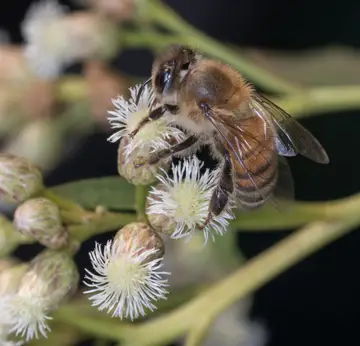
Stings: “Stinging or biting insects include bees, wasps, hornets, and fire ants. … People who are allergic to venom may experience anaphylaxis, a severe and potentially life-threatening allergic reaction that …”
Repeated stings when defending nests: “Social wasps can be aggressive when defending their nests and females can deliver repeated stings when threatened.”
Disease: “Pennsylvania ranks number one in the country for reported Lyme Disease cases. Additionally, the Blacklegged tick can potentially pass other pathogens to humans and make us sick.”
Disease (Rocky Mountain spotted fever, tularemia): “American dog ticks are the main vector of the pathogens that cause Rocky Mountain spotted fever in Pennsylvania, which is less common than Lyme disease but a potentially more serious illness.”
Disease: “DEP coordinates the Commonwealth's mosquito control program with representatives from 50 counties at the highest risk of mosquito-borne disease to develop a comprehensive mosquito surveillance and …”
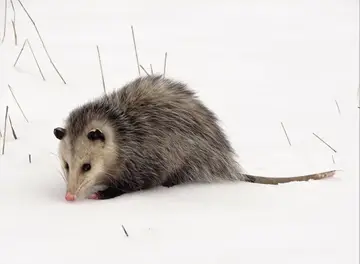
Rabies vector species (PGC): “Since skunks – as well as raccoons, bats, groundhogs, foxes and coyotes – are rabies vector species, they should not be relocated like other wildlife.”
Dangerous, destructive and invasive: “Feral swine are a dangerous, destructive, and invasive species. … Feral swine can also harbor diseases that can impact the pork industry, as well as the health of other domestic animals, wild …”
Darker cells are the months with more open-licence observation records of each group in Pennsylvania (GBIF). They show when people see and record these animals, not how many there are. The current month, this month, is highlighted.
Report: Feral swine: report to the Game Commission at 1-833-PGC-WILD (or 1-833-PGC-HUNT). Spotted lanternfly: report online or call 1-888-4BADFLY (PA Dept. of Agriculture). Venomous snake removal: call a local PFBC Waterways Conservation Officer. Nuisance wildlife: PGC region office; USDA-APHIS Wildlife Services 866-487-3297. Pennsylvania Game Commission
Snakebite: call 911 immediately if the person loses consciousness, has chest pain, trouble breathing or throat/tongue swelling; otherwise call Poison Help at 1-800-222-1222 (Pittsburgh Poison Center at UPMC). Pittsburgh Poison Center at UPMC
Yes. Three of the 21 native snake species are venomous: Eastern Copperhead, Timber Rattlesnake and Eastern Massasauga, all pit vipers. Pennsylvania Fish and Boat Commission
How can you tell a venomous snake in Pennsylvania?
PFBC says all three native venomous snakes are pit vipers with vertically elliptical pupils and facial pits, which non-venomous PA snakes lack. Pennsylvania Fish and Boat Commission
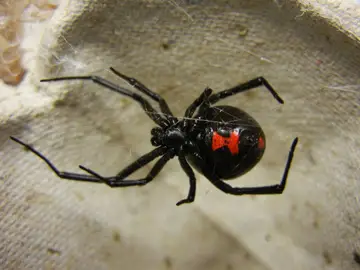
Yes. Penn State Extension says the southern black widow is found in Pennsylvania and the northern black widow is probably present too. Both are rarely encountered. Penn State Extension · More
Are there brown recluse spiders in Pennsylvania?
Rarely. Penn State says Pennsylvania is outside the brown recluse native range. Any found are inside buildings, brought in by people, and extremely rare. Penn State Extension · More
Are there bears in Pennsylvania?
Yes. PGC says black bears live in large forested areas statewide and occupy over three-quarters of the state. Sightings have been confirmed in every county. Pennsylvania Game Commission
Are there wild hogs in Pennsylvania?
Rarely. PGC says feral swine sightings remain rare. Any breeding populations are small and likely limited to Bedford and Fulton counties. Report sightings to 1-833-PGC-WILD. Pennsylvania Game Commission
Does the spotted lanternfly bite or sting?
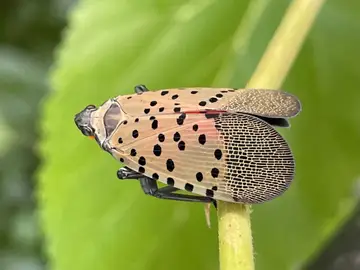
No. Penn State Extension says the spotted lanternfly does not bite or sting. It is an invasive plant pest that PDA asks people to report. Penn State Extension
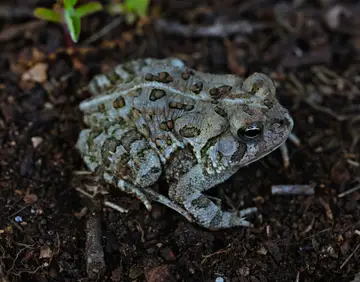
“Pennsylvania is home to a diverse population of amphibians and reptiles, including 22 species of salamanders, 21 snakes, 18 frogs and toads, 13 turtles and four lizards.”
Snakes (species accounts). Pennsylvania Fish and Boat Commission. undated page; checked November 3, 2026.Quoted passages (7)
“One of only three venomous snakes common to Pennsylvania, the eastern copperhead is a close cousin of the cottonmouth or water moccasin found in more southerly aquatic environments.”
“Though not the largest snake found in Pennsylvania, the timber rattlesnake has the distinction of being the largest of our three venomous species.”
“The eastern massasauga is a rattlesnake. It is the smallest of Pennsylvania's three venomous snakes, but the one with the biggest problem.”
“The eastern massasauga is a rattlesnake.”
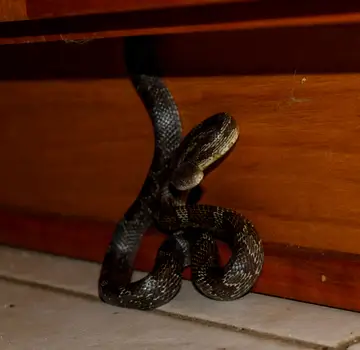
“Often killed by people out of fear, the northern watersnake is not a water moccasin and it is not venomous.”
“Contrary to popular belief, the timber rattlesnake does not always sound its familiar alarm before striking.”
“Able to tolerate colder temperatures, it leaves the den first in the spring and it's the last to hibernate in the fall.”
“Upon stinging, the barbed stinger becomes lodged in the target with a venom sac attached.”
“When provoked, these wasps will sting repeatedly, and are capable of spraying venom at the eyes of their attacker.”
“Social wasps can be aggressive when defending their nests and females can deliver repeated stings when threatened.”
“European paper wasps were introduced from Europe in the 1980s. These invasive wasps are yellow and black and may be mistaken for yellowjackets.”
“Typically, bees or wasps become more defensive later in the summer and into fall, when local food resources become scarce. … The natural life cycle of wasp colonies in Pennsylvania ends as winter approaches.”
“Stinging or biting insects include bees, wasps, hornets, and fire ants. … People who are allergic to venom may experience anaphylaxis, a severe and potentially life-threatening allergic reaction that requires immediate emergency care.”
Blacklegged Tick (Ixodes scapularis). Pennsylvania Department of Environmental Protection, Vector Management. undated page; checked November 3, 2026.Quoted passages (3)
“Pennsylvania ranks number one in the country for reported Lyme Disease cases. Additionally, the Blacklegged tick can potentially pass other pathogens to humans and make us sick.”
“Pennsylvania ranks number one in the country for reported Lyme Disease cases.”
“However, the greatest risk of being bitten is spring, summer, and fall from a nymph or adult female. … Most Lyme transmission occurs in June and July due to the activity and small size of the nymphs.”
“American dog ticks are the main vector of the pathogens that cause Rocky Mountain spotted fever in Pennsylvania, which is less common than Lyme disease but a potentially more serious illness.”
“Amblyomma americanum bites are also associated with alpha-gal (red meat) allergy.”
“Haemaphysalis longicornis is an invasive tick native to East and Central Asia.”
Mosquito-borne Disease Control Program. Pennsylvania Department of Environmental Protection, Vector Management. undated page; checked November 3, 2026.Quoted passages (1)
“DEP coordinates the Commonwealth's mosquito control program with representatives from 50 counties at the highest risk of mosquito-borne disease to develop a comprehensive mosquito surveillance and control network.”
Nuisance Wildlife. Pennsylvania Game Commission. undated page; checked November 3, 2026.Quoted passages (1)
“Since skunks – as well as raccoons, bats, groundhogs, foxes and coyotes – are rabies vector species, they should not be relocated like other wildlife.”
Feral Swine. Pennsylvania Game Commission. undated page; checked November 3, 2026.Quoted passages (4)
“Feral swine are a dangerous, destructive, and invasive species. … Feral swine can also harbor diseases that can impact the pork industry, as well as the health of other domestic animals, wild animals, and humans.”
“Feral swine are a destructive and invasive species that pose serious risks to wildlife, agriculture, and property.”
“Any observations of feral swine in the commonwealth should immediately be reported to the Game Commission at 1-833-PGC-WILD or 1-833-PGC-HUNT.”
“In Pennsylvania, sightings of feral swine have occurred over the past decade but remain rare; any breeding populations are small and likely limited to Bedford and Fulton counties.”
Spotted Lanternfly Alert. Pennsylvania Department of Agriculture. undated page; checked November 3, 2026.Quoted passages (1)
“The Spotted Lanternfly is an invasive species native to Asia. In 2014 it was found in Pennsylvania, and has since spread to multiple counties which are now quarantined.”
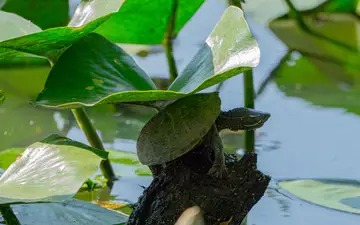
“Recent data from the Pennsylvania Amphibian and Reptile Survey (PARS) project (primarily encompassing records from 2013-2021) shows Red-eared Sliders have been reported from at least 48 counties (Figure 4).”
Aquatic Invasive Species (AIS). Pennsylvania Fish and Boat Commission. undated page; checked November 3, 2026.Quoted passages (1)
“In addition to the prohibited species below, some of the least-wanted AIS in Pennsylvania are: New Zealand Mudsnail, Northern Snakehead, Sea Lamprey, Hydrilla, Spiny Water Flea, Eurasian Watermilfoil, Golden Clam and Red-eared Slider (turtle).”
Reptiles and Amphibians FAQs. Pennsylvania Fish and Boat Commission. undated page; checked November 3, 2026.Quoted passages (3)
“There are only three venomous snakes native to PA: the Eastern Copperhead, Timber Rattlesnake and Eastern Massasauga.”
“Water Moccasins or Cottonmouths are not native to PA. They are found primarily in the southern states. Their range only goes as far north as southern Virginia.”
“All three venomous snakes native to PA are pit vipers. Two facial characteristics common to all pit vipers are vertically elliptical pupils (like a cat’s eyes in bright light) and facial pits (indentations on the ‘cheeks’ which aid in heat detection and locating prey).”
Lizards (species accounts). Pennsylvania Fish and Boat Commission. undated page; checked November 3, 2026.Quoted passages (1)
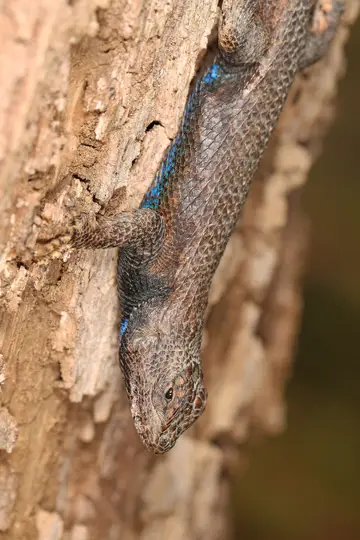
“The lizards common to Pennsylvania are harmless.”
Brown Recluse Spiders. Penn State Extension. updated September 8, 2025; checked November 3, 2026.Quoted passages (1)
“Outside their native range (which includes Pennsylvania), brown recluse are restricted to buildings and are almost exclusively brought in by humans (such as when someone moves from an area where brown recluse are native). They are therefore extremely rare and localized.”
Wildlife Notes: Black Bear. Pennsylvania Game Commission. Revised 02/2021; checked November 3, 2026.Quoted passages (2)
“They currently occupy over three-quarters of the state, although sightings have been confirmed in every county.”
“Bears enter hibernation late in the fall, with pregnant females being the first to enter dens, typically during mid to late November. Males den several weeks later.”
“No, the spotted lanternfly does not bite or sting.”
Timber Rattlesnake Conservation. Pennsylvania Fish and Boat Commission. undated page; checked November 3, 2026.Quoted passages (2)
“If you see a snake, of any species, do not kill or attempt to move or capture it. Instead, retreat calmly and allow the animal to continue its course or seek cover.”
“PFBC Waterways Conservation Officers are trained to handle venomous snakes. Call a local officer to have them safely capture the snake and relocate it to a suitable area nearby.”
“If the patient loses consciousness, has chest pain, trouble breathing or a sense of throat/tongue swelling, CALL 911 IMMEDIATELY. … Otherwise, call the regional poison center at 800-222-1222.”
Poison Control 101. Poison Control Center at Children's Hospital of Philadelphia. undated page; checked November 3, 2026.Quoted passages (1)
“Call the Poison Control Center at CHOP at 1-800-222-1222. … The Poison Control Center is available 24 hours a day, 7 days a week, 365 days a year-even on holidays! … A bug bite or a bee sting”
“The copperhead, like so many other reptiles and amphibians, enjoys a day in the sun and often basks on a favorite rock, especially on a warm day in the spring or fall. During the hotter days of summer, the copperhead seeks relief from the piercing rays of the sun and becomes more nocturnal in its habits.”
“During the hottest part of the summer, the massasauga becomes crepuscular, taking advantage of the cooler twilight hours to roam and feed.”
Wildlife Notes: Bats. Pennsylvania Game Commission. Revised 03/2022; checked November 3, 2026.Quoted passages (1)
“Nine species of bats regularly occur in Pennsylvania; six hibernate in Pennsylvania and three primarily migrate south for the winter.”