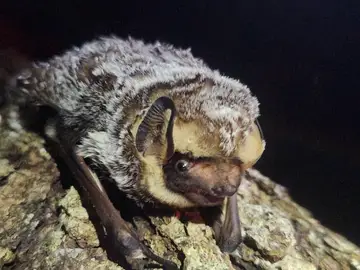
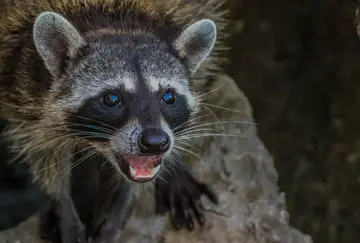
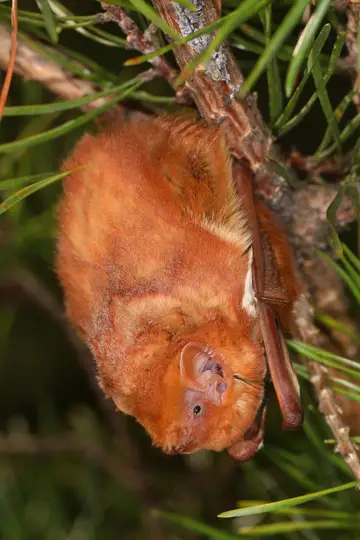
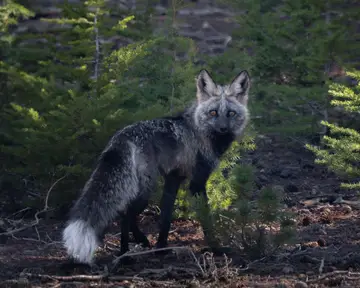
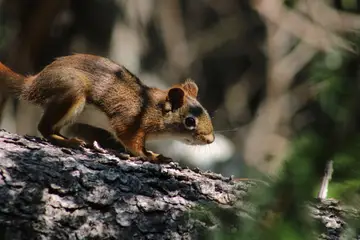
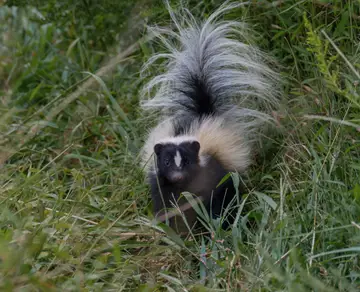
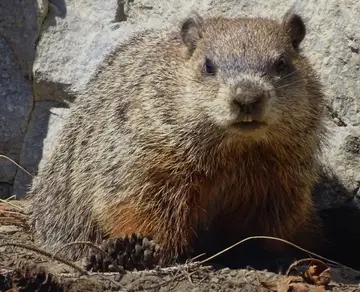
Rabies vector species (PGC). “Since skunks – as well as raccoons, bats, groundhogs, foxes and coyotes – are rabies vector species, they should not be relocated like other wildlife.” Pennsylvania Game Commission
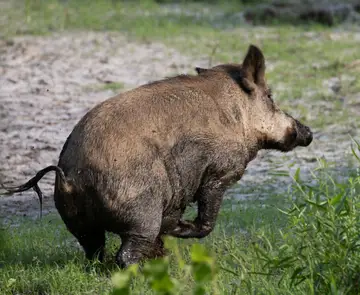
Dangerous, destructive and invasive. “Feral swine are a dangerous, destructive, and invasive species. … Feral swine can also harbor diseases that can impact the pork industry, as well as the health of other domestic animals, wild animals, and humans.” Pennsylvania Game Commission
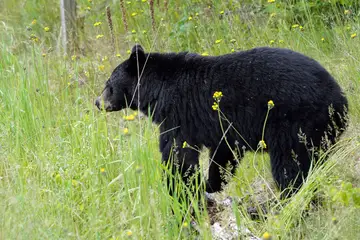
Smokies: males average about 6 ft long, 3 ft at the shoulder and 250 lb in summer; females usually just over 100 lb. Missouri: 46 to 78 inches long, 86 to 600 lb.
How to recognize it
Straight facial profile, rounded erect ears, very short tail
Total length 18 to 50 inches, tail 3 to 8 inches, weight 8 to 49 pounds (Missouri). About twice the size of a house cat.
How to recognize it
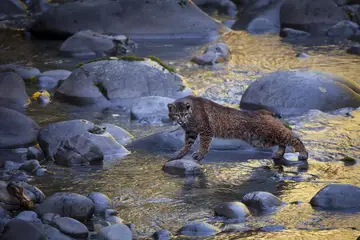
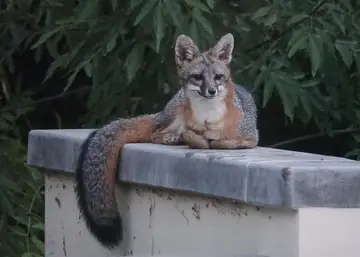
Short 'bobbed' tail, 4 to 8 inches, with a black tip and white underneath (Arizona). New Mexico instead describes black bars on top, white underneath and a white tip.
Pointed ears with tufts at the tips, often with cheek tufts
Backs of the ears are black with a light central spot
About 3.5 to 4 feet long including the tail and roughly 2 feet tall at the shoulder; weight varies by region: Arizona 20 to 30 lb, Florida average about 28 lb, Georgia 25 to 45 lb
How to recognize it
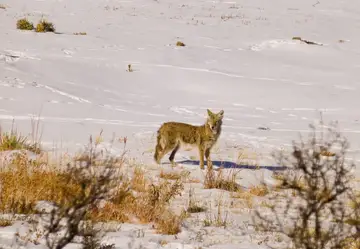
Large pointed ears, long narrow nose, bushy black-tipped tail
Like a slender medium-sized dog, much smaller than a wolf
“Feral swine are a dangerous, destructive, and invasive species. … Feral swine can also harbor diseases that can impact the pork industry, as well as the health of other domestic animals, wild …” Pennsylvania Game Commission
Size
Adults average 75 to 250 pounds, but some get twice as large. They can stand up to 3 feet tall and reach 5 feet long, and males (boars) are larger than females (sows). FWC says Florida wild hogs can weigh more than 150 pounds and be 5 to 6 feet long. Ohio State Extension says Ohio adults typically weigh 125 to 200 pounds.
How to recognize it
Look much like domestic hogs but are generally thinner, with thicker hides of coarse, bristly hair and longer tusks
Four continuously growing tusks, 2 on top and 2 below
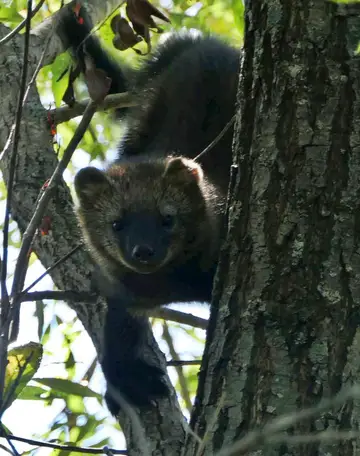
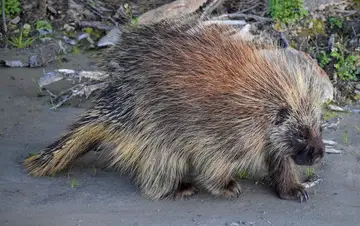
Adults about 30 inches including a 6- to 10-inch tail, 9 to 15 pounds, older adults up to 20 pounds (Pennsylvania). Massachusetts: 25-31 inches, averaging 12 pounds in early spring to 20 in fall. Minnesota: 24 to 40 inches, 18 to 35 pounds.
How to recognize it
Coat of quills; up to 30,000
Only North American mammal with coat hairs modified as quills
Records of mammals in Pennsylvania peak in April to July and September. They show when people record mammals, not how many there are (about month bars).
JanFebMarAprMayJunJulAugSepOctNovDec
7,464 records of mammals in Pennsylvania by month (GBIF, CC0 and CC BY records).
Black bears den in late fall; pregnant females first, typically mid to late November, males several weeks later. Pennsylvania Game Commission
Skunks, raccoons, bats, groundhogs, foxes and coyotes are rabies vector species and should not be relocated. Pennsylvania Game Commission
What official sources say
Are there bears in Pennsylvania?
Yes. PGC says black bears live in large forested areas statewide and occupy over three-quarters of the state. Sightings have been confirmed in every county. Pennsylvania Game Commission
“They currently occupy over three-quarters of the state, although sightings have been confirmed in every county.”
“Current List of Wild Mammals in Pennsylvania1 (66)”
Feral Swine. Pennsylvania Game Commission. undated page; checked November 3, 2026.Quoted passages (1)
“Feral swine are a dangerous, destructive, and invasive species. … Feral swine can also harbor diseases that can impact the pork industry, as well as the health of other domestic animals, wild animals, and humans.”
Nuisance Wildlife. Pennsylvania Game Commission. undated page; checked November 3, 2026.Quoted passages (1)
“Since skunks – as well as raccoons, bats, groundhogs, foxes and coyotes – are rabies vector species, they should not be relocated like other wildlife.”
Wildlife Notes: Bats. Pennsylvania Game Commission. Revised 03/2022; checked November 3, 2026.Quoted passages (2)
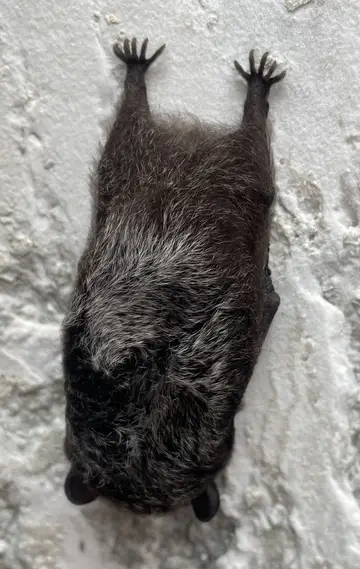
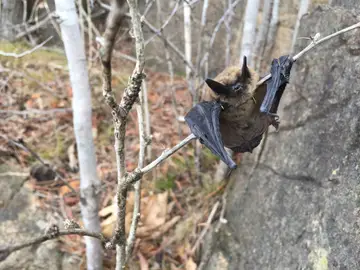
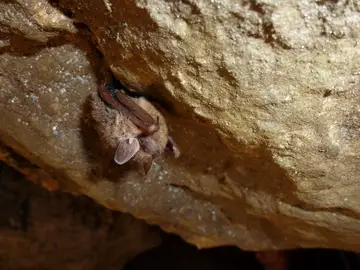
“(People should not, however, handle bats, especially those found on the ground or in the open during the day.)”
“Nine species of bats regularly occur in Pennsylvania; six hibernate in Pennsylvania and three primarily migrate south for the winter.”
Wildlife Notes: Black Bear. Pennsylvania Game Commission. Revised 02/2021; checked November 3, 2026.Quoted passages (2)
“Bears enter hibernation late in the fall, with pregnant females being the first to enter dens, typically during mid to late November. Males den several weeks later.”
“They currently occupy over three-quarters of the state, although sightings have been confirmed in every county.”