On this page Which sharks, rays and other marine animals can hurt you All 43 sharks, rays and other marine animals Lookalikes When they are active If you are bitten or stung What official sources say About this list Sources
This page lists 43 sharks, rays and other marine animals : all from NJDEP Fish & Wildlife's Marine Life of New Jersey: Marine Fish of New Jersey.
5 are venomous by official accounts, and 1 mildly venomous.
Which sharks, rays and other marine animals can hurt you Official sources single out these sharks, rays and other marine animals in New Jersey, in their own words:
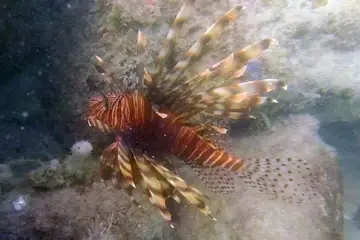
Photo: Chase Harris · CC0 1.0 · iNaturalist Photo: Dan Schofield · CC BY 4.0 · Wikimedia Commons Photo: John Burnett · CC BY-SA 4.0 · iNaturalist · resized Photo: Kristof Zyskowski · CC BY 4.0 · iNaturalist Venomous spines (NOAA). “The spines of this species deliver a venomous sting that can last for days and cause extreme pain, sweating, respiratory distress, and even paralysis.” NOAA National Ocean Service
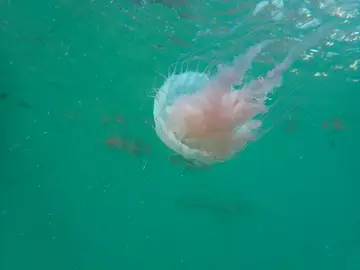
Photo: Josiah Londerée · CC BY 4.0 · iNaturalist Sea nettle (stinging jellyfish) Stinging jellyfish present in Barnegat Bay and other NJ coastal waterways (NJDEP). “Sea nettles (Chrysaora quinquecirrha), a type of stinging jellyfish, are present in the waters of Barnegat Bay and other coastal waterways of New Jersey.” NJDEP
All 43 sharks, rays and other marine animals Venomous species first, then A to Z. Do not handle them.
Find by name
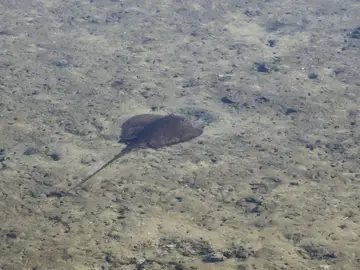
Photo: Chase Harris · CC0 1.0 · iNaturalist Atlantic Stingray Dasyatis sabina
Venomous per Florida Museum of Natural History, University of Florida
What the sources say Venom: “They have long venomous spines on their tails, but they are not aggressive” (Florida Museum of Natural History, University of Florida)
No confirmed photo of Bluntnose Stingray Bluntnose Stingray Dasyatis say
Venomous per Florida Museum of Natural History, University of Florida
What the sources say Venom: “…with a tail one and a half times its body length bearing a serrated venomous spine” (Florida Museum of Natural History, University of Florida)
No confirmed photo of Roughtail Stingray Roughtail Stingray Dasyatis centroura
Venomous per Florida Museum of Natural History, University of Florida
What the sources say Venom: “The tail spines are poisonous, yet it is rarely life-threatening to humans.” (Florida Museum of Natural History, University of Florida)
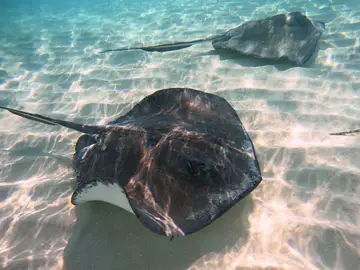
Photo: Dan Schofield · CC BY 4.0 · Wikimedia Commons Southern Stingray Dasyatis americana
Venomous per Florida Museum of Natural History, University of Florida
What the sources say Venom: “Research is being conducted by the biomedical and neurobiological industries on the venomous component of the tail spine” (Florida Museum of Natural History, University of Florida)
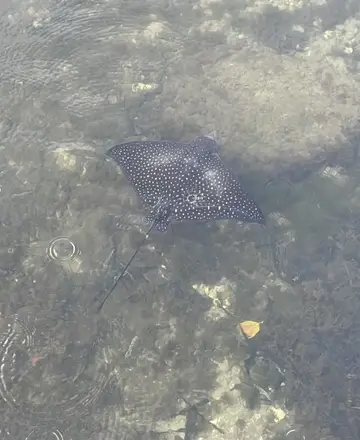
Photo: John Burnett · CC BY-SA 4.0 · iNaturalist · resized Spotted Eagle Ray Aetobatus narinari
Venomous per Florida Museum of Natural History, University of Florida
What the sources say Venom: “…it is considered potentially dangerous to humans due to the venomous tail spines that can inflict serious wounds.” (Florida Museum of Natural History, University of Florida)
No confirmed photo of Cownose Ray Cownose Ray Rhinoptera bonasus
Mildly venomous per Florida Museum of Natural History, University of Florida
What the sources say Venom: “…the long sturdy tail has one or two serrated spines with mild venom.” (Florida Museum of Natural History, University of Florida)
No confirmed photo of Atlantic Angel Shark Atlantic Angel Shark Squatina dumeril
Not stated
Venom No official source we use states whether this animal is venomous. That does not mean it is harmless: do not handle it. No confirmed photo of Atlantic Sharpnose Shark Atlantic Sharpnose Shark Rhizoprionodon terraenovae
Not stated
Venom No official source we use states whether this animal is venomous. That does not mean it is harmless: do not handle it. No confirmed photo of Atlantic Torpedo Atlantic Torpedo Torpedo nobiliana
Not stated
Venom No official source we use states whether this animal is venomous. That does not mean it is harmless: do not handle it. No confirmed photo of Barndoor Skate Barndoor Skate Raja laevis
Not stated
Venom No official source we use states whether this animal is venomous. That does not mean it is harmless: do not handle it. No confirmed photo of Basking Shark Basking Shark Cetorhinus maximus
Not stated
Venom No official source we use states whether this animal is venomous. That does not mean it is harmless: do not handle it. No confirmed photo of Bigeye Thresher Shark Bigeye Thresher Shark Alopias superciliosus
Not stated
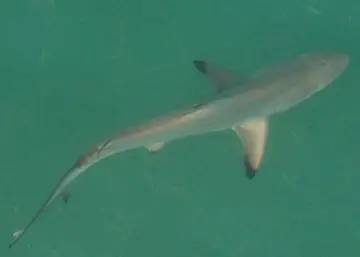
Venom No official source we use states whether this animal is venomous. That does not mean it is harmless: do not handle it. Photo: John G. Phillips · CC BY 4.0 · iNaturalist Carcharhinus limbatus
Not stated
Venom No official source we use states whether this animal is venomous. That does not mean it is harmless: do not handle it. Size Average about 5 feet and 50 pounds; maximum about 8 feet. How to recognize it Anal fin usually has no black tip Long, pointed snout; small eyes First dorsal fin begins over or slightly behind the rear of the pectoral fins Full Blacktip Shark guide
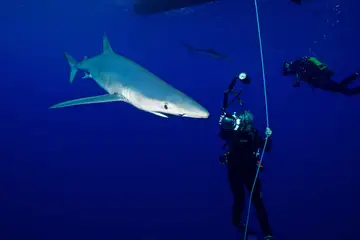
Photo: Juergen Gangoly · CC BY-SA 4.0 · Wikimedia Commons · resized Blue Shark Prionace glauca
Not stated
Venom No official source we use states whether this animal is venomous. That does not mean it is harmless: do not handle it. Photo: Quinn · CC BY 4.0 · iNaturalist Bonnethead Sphyrna tiburo
Not stated
Venom No official source we use states whether this animal is venomous. That does not mean it is harmless: do not handle it. Photo: Judita bagon · CC BY-SA 3.0 · Wikimedia Commons · resized Carcharhinus leucas
Not stated
Venom No official source we use states whether this animal is venomous. That does not mean it is harmless: do not handle it. Size Reported maximum varies by source: about 11 ft (Alabama), over 10 ft with a 6 to 8 ft average (South Carolina), about 13 ft (Florida Museum). How to recognize it Very short, broadly rounded snout Stout, heavy body No ridge between the dorsal fins Full Bull Shark guide
No confirmed photo of Bullnose Ray Bullnose Ray Myliobatis freminvillei
Not stated
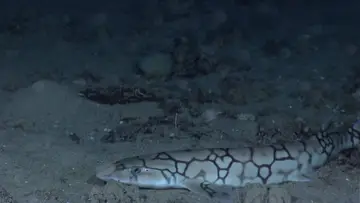
Venom No official source we use states whether this animal is venomous. That does not mean it is harmless: do not handle it. Photo: NOAA Photo Library · Public domain · Wikimedia Commons (U.S. federal work, public domain) Chain Dogfish Scyliorhinus retifer
Not stated
Venom No official source we use states whether this animal is venomous. That does not mean it is harmless: do not handle it. No confirmed photo of Clearnose Skate Clearnose Skate Raja eglanteria
Not stated
Venom No official source we use states whether this animal is venomous. That does not mean it is harmless: do not handle it. No confirmed photo of Devil Ray Devil Ray Mobula mobular
Not stated
Venom No official source we use states whether this animal is venomous. That does not mean it is harmless: do not handle it. No confirmed photo of Dusky Shark Dusky Shark Carcharhinus obscurus
Not stated
Venom No official source we use states whether this animal is venomous. That does not mean it is harmless: do not handle it. No confirmed photo of False Cat Shark False Cat Shark Pseudotriakis microdon
Not stated
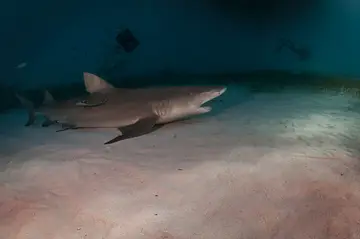
Venom No official source we use states whether this animal is venomous. That does not mean it is harmless: do not handle it. Photo: GregAmptman · CC BY 4.0 · Wikimedia Commons Negaprion brevirostris
Not stated
Venom No official source we use states whether this animal is venomous. That does not mean it is harmless: do not handle it. Size Maximum about 10.5 ft (Florida). How to recognize it Two large dorsal fins of similar size and shape Blunt, rounded snout shorter than the mouth is wide No ridge between the dorsal fins Full Lemon Shark guide
No confirmed photo of Little Skate Little Skate Raja erinacea
Not stated
Venom No official source we use states whether this animal is venomous. That does not mean it is harmless: do not handle it. No confirmed photo of Manta Manta Manta birostris
Not stated
Venom No official source we use states whether this animal is venomous. That does not mean it is harmless: do not handle it. No confirmed photo of Porbeagle Porbeagle Lamna nasus
Not stated
Venom No official source we use states whether this animal is venomous. That does not mean it is harmless: do not handle it. No confirmed photo of Rosette Skate Rosette Skate Raja garmani
Not stated
Venom No official source we use states whether this animal is venomous. That does not mean it is harmless: do not handle it. No confirmed photo of Sand Tiger Sand Tiger Odontaspis taurus
Not stated
Venom No official source we use states whether this animal is venomous. That does not mean it is harmless: do not handle it. No confirmed photo of Sandbar Shark Sandbar Shark Carcharhinus plumbeus
Not stated
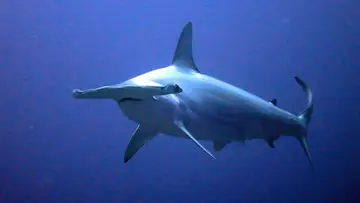
Venom No official source we use states whether this animal is venomous. That does not mean it is harmless: do not handle it. Photo: NOAA Photo Library · Public domain · Wikimedia Commons Scalloped Hammerhead Sphyrna lewini
Not stated
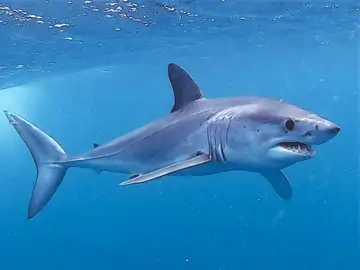
Venom No official source we use states whether this animal is venomous. That does not mean it is harmless: do not handle it. Photo: Fábio Olmos · CC BY 4.0 · iNaturalist Isurus oxyrinchus
Not stated
Venom No official source we use states whether this animal is venomous. That does not mean it is harmless: do not handle it. Size Up to about 13 ft (NOAA, Atlantic; Florida Museum); Pacific: up to 12 ft, averaging 6 to 7 ft (NOAA). SCDNR: averages 5 to 8 ft. How to recognize it Very pointed snout and long gill slits Crescent-shaped (lunate) tail with a single strong keel on each side of the tail base Long, slender, smooth-edged teeth, visible even with the mouth closed Full Shortfin Mako guide
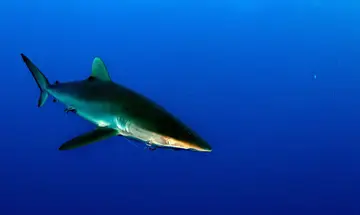
Photo: Joi Ito from Inbamura, Japan · CC BY 2.0 · Wikimedia Commons Silky Shark Carcharhinus falciformis
Not stated
Venom No official source we use states whether this animal is venomous. That does not mean it is harmless: do not handle it. No confirmed photo of Smalltooth Sawfish Smalltooth Sawfish Pristis pectinata
Not stated
Venom No official source we use states whether this animal is venomous. That does not mean it is harmless: do not handle it. No confirmed photo of Smooth Butterfly Ray Smooth Butterfly Ray Gymnura micrura
Not stated
Venom No official source we use states whether this animal is venomous. That does not mean it is harmless: do not handle it. No confirmed photo of Smooth Dogfish Smooth Dogfish Mustelus canis
Not stated
Venom No official source we use states whether this animal is venomous. That does not mean it is harmless: do not handle it. No confirmed photo of Smooth Hammerhead Smooth Hammerhead Sphyrna zygaena
Not stated
Venom No official source we use states whether this animal is venomous. That does not mean it is harmless: do not handle it. No confirmed photo of Spiny Butterfly Ray Spiny Butterfly Ray Gymnura altavela
Not stated
Venom No official source we use states whether this animal is venomous. That does not mean it is harmless: do not handle it. No confirmed photo of Spiny Dogfish Spiny Dogfish Squalus acanthias
Not stated
Venom No official source we use states whether this animal is venomous. That does not mean it is harmless: do not handle it. No confirmed photo of Thorny Skate Thorny Skate Raja radiata
Not stated
Venom No official source we use states whether this animal is venomous. That does not mean it is harmless: do not handle it. No confirmed photo of Thresher Shark Thresher Shark Alopias vulpinus
Not stated
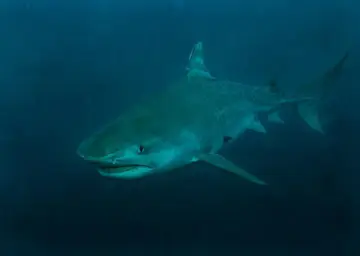
Venom No official source we use states whether this animal is venomous. That does not mean it is harmless: do not handle it. Photo: Georgina Jones · CC BY-SA 4.0 · iNaturalist · resized Galeocerdo cuvier
Not stated
Venom No official source we use states whether this animal is venomous. That does not mean it is harmless: do not handle it. Size Florida gives a maximum of about 18 ft and 2,000 lb. How to recognize it Blunt snout and vertical bars on the sides Very broad head; short, broadly rounded snout much shorter than the mouth is wide Large triangular teeth, strongly serrated, with a deep notch on the outer edge Full Tiger Shark guide
No confirmed photo of White Shark White Shark Carcharadon carcharias
Not stated
Venom No official source we use states whether this animal is venomous. That does not mean it is harmless: do not handle it. No confirmed photo of Winter Skate Winter Skate Raja ocellata
Not stated
Venom No official source we use states whether this animal is venomous. That does not mean it is harmless: do not handle it. Sharks and Marine Life people confuse Bull Shark or Sandbar shark? No confirmed photo of Sandbar shark Sandbar shark Not stated
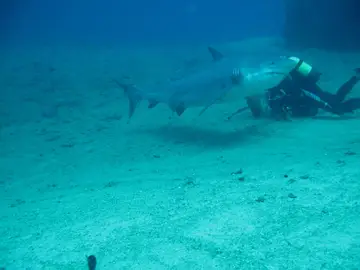
Sandbar sharks (and oceanic whitetip, bignose, silky, dusky and night sharks) have a ridge between the dorsal fins; bull sharks do not.
Bull Shark or Lemon shark? Lemon and sand tiger sharks have a large second dorsal fin; a bull shark's second dorsal fin is much smaller than the first.
Photos show typical adults; individuals vary. Never get close to compare.
When sharks, rays and other marine animals are active in New Jersey Records of sharks, rays and other marine animals in New Jersey peak in June to August. They show when people record sharks, rays and other marine animals, not how many there are (about month bars ).
Jan Feb Mar Apr May Jun Jul Aug Sep Oct Nov Dec
151 records of sharks, rays and other marine animals in New Jersey by month (GBIF, CC0 and CC BY records). If you are bitten or stung Call 911 or Poison Help at 1-800-222-1222 right away. Poison Help connects you to your local poison center, any time of day.
What official sources say Are there sharks off new jersey? Yes. NJ Fish and Wildlife lists sand tiger, sandbar shark, smooth dogfish and spiny dogfish as abundant in New Jersey waters, and the white shark as rarely found. NJDEP Fish & Wildlife
“The following species are found abundantly in New Jersey waters:” Are there great white sharks in New Jersey? Rarely. The white shark is on the state list of species rarely found in New Jersey marine waters. It is a prohibited species that anglers must release. NJDEP Fish & Wildlife
About this list The species list comes from Marine Life of New Jersey: Marine Fish of New Jersey (NJDEP Fish & Wildlife, Internet Archive capture 2026-08-15 (list compiled mainly from Able 1992, Checklist of New Jersey saltwater fishes)).
Venom labels come only from official sources and link to them; "Not stated" never means harmless. How labels work .
Sources New Jersey's Endangered, Threatened, and Special Concern Species . NJDEP Fish & Wildlife, ENSP. archived copy, captured August 25, 2026; checked November 3, 2026. Marine Life of New Jersey: Marine Fish of New Jersey . NJDEP Fish & Wildlife. archived copy, captured August 15, 2026; checked November 3, 2026. Quoted passages (1) “The following species are found abundantly in New Jersey waters:” Roughtail Stingray species profile (Discover Fishes) . Florida Museum of Natural History, University of Florida. updated June 3, 2025; checked November 3, 2026. Quoted passages (1) “The tail spines are poisonous, yet it is rarely life-threatening to humans.” Bluntnose Stingray species profile (Discover Fishes) . Florida Museum of Natural History, University of Florida. updated June 3, 2025; checked November 3, 2026. Quoted passages (1) “…with a tail one and a half times its body length bearing a serrated venomous spine” Cownose Ray species profile (Discover Fishes) . Florida Museum of Natural History, University of Florida. updated May 29, 2025; checked November 3, 2026. Quoted passages (1) “…the long sturdy tail has one or two serrated spines with mild venom.” Atlantic Stingray species profile (Discover Fishes) . Florida Museum of Natural History, University of Florida. updated June 3, 2025; checked November 3, 2026. Quoted passages (1) “They have long venomous spines on their tails, but they are not aggressive” Southern Stingray species profile (Discover Fishes) . Florida Museum of Natural History, University of Florida. updated June 3, 2025; checked November 3, 2026. Quoted passages (1) “Research is being conducted by the biomedical and neurobiological industries on the venomous component of the tail spine” Spotted Eagle Ray species profile (Discover Fishes) . Florida Museum of Natural History, University of Florida. updated May 30, 2025; checked November 3, 2026. Quoted passages (1) “…it is considered potentially dangerous to humans due to the venomous tail spines that can inflict serious wounds.” Lionfish Facts . NOAA National Ocean Service. updated September 23, 2026; checked November 3, 2026. Quoted passages (1) “The spines of this species deliver a venomous sting that can last for days and cause extreme pain, sweating, respiratory distress, and even paralysis.” Sea Nettle Management (Barnegat Bay) . NJDEP. updated February 12, 2026; checked November 3, 2026. Quoted passages (1) “Sea nettles (Chrysaora quinquecirrha), a type of stinging jellyfish, are present in the waters of Barnegat Bay and other coastal waterways of New Jersey.” GBIF.org occurrence records, human observations licensed CC0 1.0 or CC BY 4.0 only, accessed November 3, 2026. The datasets behind these counts are listed on our Sources page.