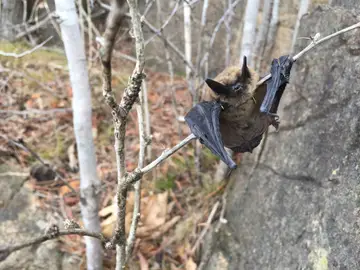
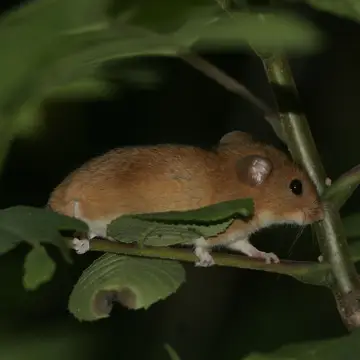
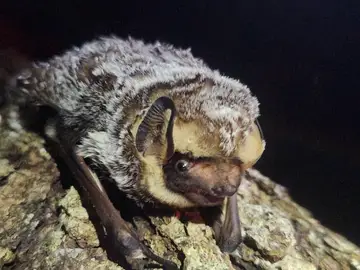
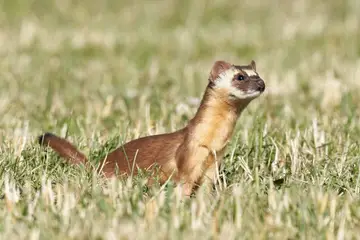
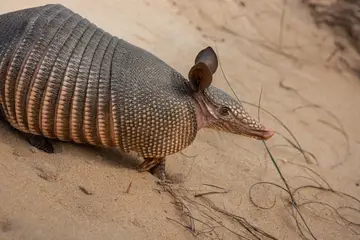
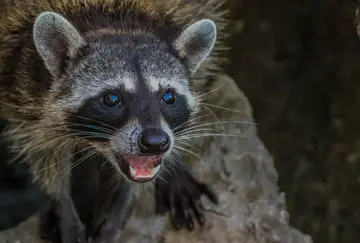
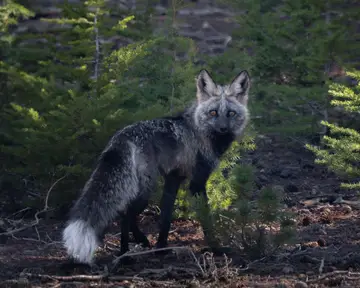
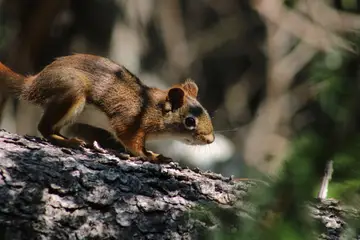
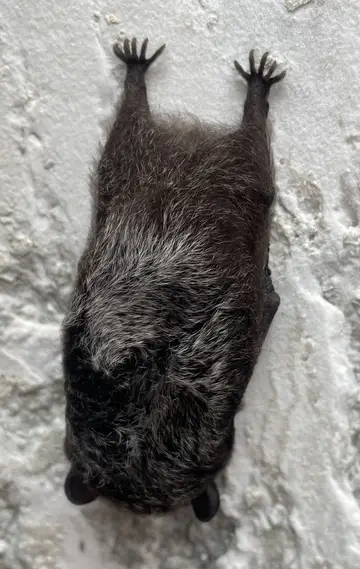
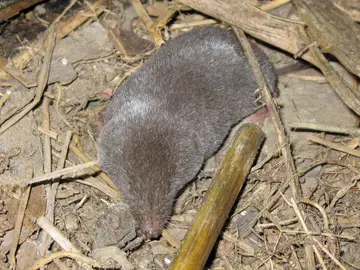
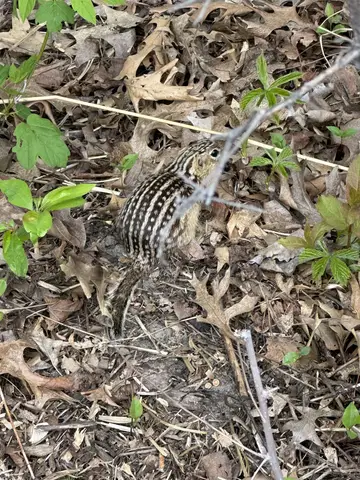
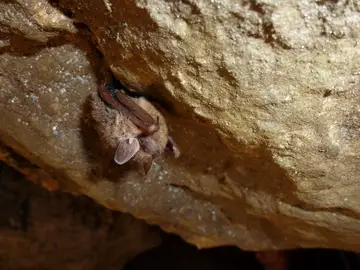
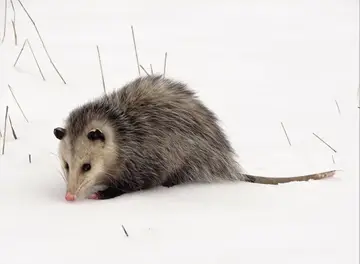
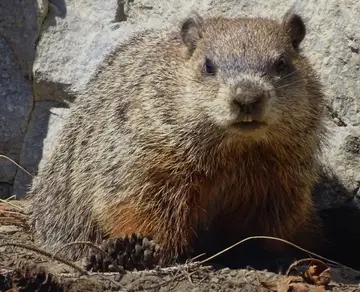
This page lists 62 mammals: 13 from IDNR's Wild About Illinois Wild Mammals! galleries: Bats, Carnivores, Furbearers, Insectivores, Lagomorphs, Rodents, Armadillo, White-tailed Deer and 49 named in other official sources.
3 are nonnative.
Which mammals can hurt you
Official sources single out these mammals in Illinois, in their own words:
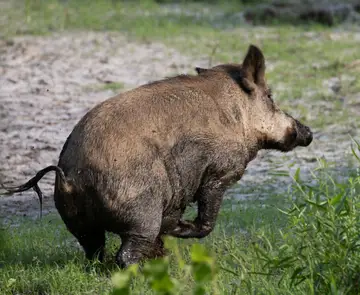
Disease. “Feral swine may carry more than 30+ parasites and 30+ diseases, many of which are transmissible to people, pets, wildlife, and livestock.” IDNR
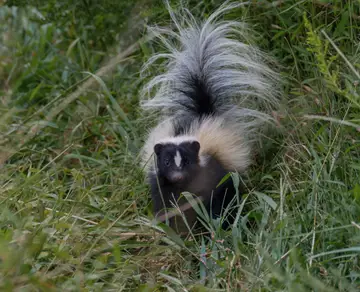
Rabies and other diseases (Illinois Extension). “Skunks can carry rabies and other diseases, so avoiding contact is crucial.” University of Illinois Extension
foxes
Rabies and other diseases, though rare (Illinois Extension). “Though rare, foxes can be carriers of rabies and other diseases.” University of Illinois Extension
Concern about attacks on pets and children (Illinois Extension). “Even though they’re relatively small animals, their predatory habits raise concerns about attacks on pets and children.” University of Illinois Extension
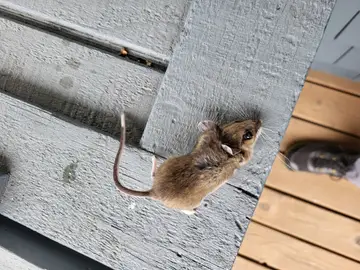
Carrier of disease (Illinois Extension). “…the house mouse (Mus musculus) and brown rat (Rattus norvegicus) are both non-native species that are carriers of disease and cause for concern.” University of Illinois Extension
Carrier of disease (Illinois Extension). “…the house mouse (Mus musculus) and brown rat (Rattus norvegicus) are both non-native species that are carriers of disease and cause for concern.” University of Illinois Extension
black bears, wolves and cougars
Rare large predators. “If you live in an area with a confirmed sighting, keep children and pets indoors or under supervision.” University of Illinois Extension
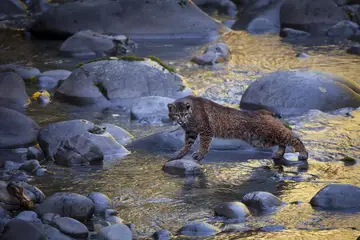
Total length 18 to 50 inches, tail 3 to 8 inches, weight 8 to 49 pounds (Missouri). About twice the size of a house cat.
How to recognize it
Short 'bobbed' tail, 4 to 8 inches, with a black tip and white underneath (Arizona). New Mexico instead describes black bars on top, white underneath and a white tip.
Pointed ears with tufts at the tips, often with cheek tufts
Backs of the ears are black with a light central spot
“…the house mouse (Mus musculus) and brown rat (Rattus norvegicus) are both non-native species that are carriers of disease and cause for concern.” University of Illinois Extension
“Even though they’re relatively small animals, their predatory habits raise concerns about attacks on pets and children.” University of Illinois Extension
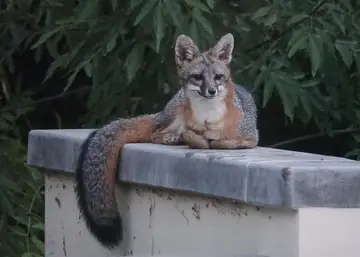
Size
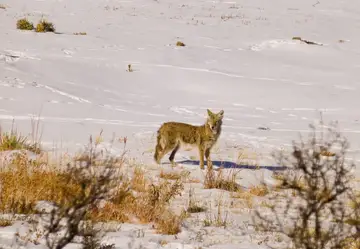
About 3.5 to 4 feet long including the tail and roughly 2 feet tall at the shoulder; weight varies by region: Arizona 20 to 30 lb, Florida average about 28 lb, Georgia 25 to 45 lb
How to recognize it
Large pointed ears, long narrow nose, bushy black-tipped tail
Like a slender medium-sized dog, much smaller than a wolf
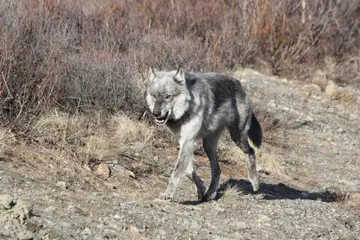
Adults about 40 to 175 pounds depending on sex and region; on average about five to six feet long (Isle Royale), up to 6 feet including the tail (Washington), and 26 to 34 inches at the shoulder. Twice the size of a coyote.
How to recognize it
Longer legs, larger feet, wider head and snout, shorter ears, narrow body and straight tail compared with most coyotes and dogs.
Tracks about 5 inches long by 4 inches wide, with claws showing.
“…the house mouse (Mus musculus) and brown rat (Rattus norvegicus) are both non-native species that are carriers of disease and cause for concern.” University of Illinois Extension
NY DEC: gray wolves are much larger (females typically 50-100 lb, males 70-145 lb, 5-6 ft nose to tail, 27-33 in at the shoulder); eastern coyotes rarely exceed 50 lb and generally stand under 2 ft at the shoulder. Wolves have small rounded ears and a short blocky snout; coyotes have larger, more pointed ears (can look rounded in winter coat) and a long, narrow, pointed snout. Coyote tracks are typically 3 x 2 in, wolf tracks about 5 x 4 in. NY DEC says most wolf reports in New York were coyotes, dogs or wolf-dog hybrids.
Photos show typical adults; individuals vary. Never get close to compare.
When mammals are active in Illinois
Records of mammals in Illinois peak in March to August. They show when people record mammals, not how many there are (about month bars).
JanFebMarAprMayJunJulAugSepOctNovDec
4,582 records of mammals in Illinois by month (GBIF, CC0 and CC BY records).
If you are bitten or stung
Call 911 or Poison Help at 1-800-222-1222 right away. Poison Help connects you to your local poison center, any time of day.
Official advice from University of Illinois Extension:
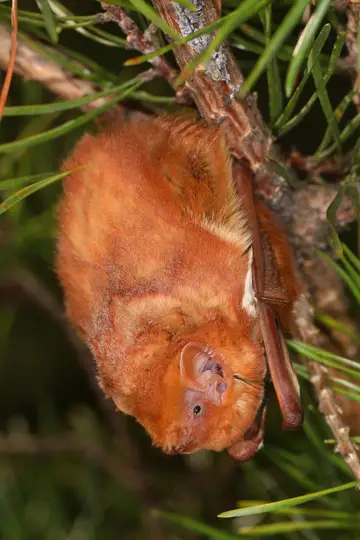
Possible bat bite (including anyone who cannot report a bite): seek medical attention immediately. University of Illinois Extension
Rarely. Wildlife Illinois (IDNR): no known breeding populations; confirmed sightings of black bears, mountain lions and wolves, all very rare visitors. Wildlife Illinois, website authorized by IDNR
“Today, there are no known breeding populations of these large predators in Illinois, though occasionally individual animals will move through looking for new territory.”
Are there mountain lions in Illinois?
Rarely. Wildlife Illinois (IDNR): multiple confirmed sightings of mountain lions, but still very rare visitors; no known breeding population. Wildlife Illinois, website authorized by IDNR
“In recent years, there have been multiple confirmed sightings of mountain lions, black bears, and wolves in Illinois. However, these species are all still very rare visitors in the state.”
Dangerous Encounters (Wildlife). University of Illinois Extension. undated page; checked November 3, 2026.Quoted passages (2)
“Bats are the primary carriers of rabies in Illinois”
“If you think anyone in your house could have been bitten by a bat, seek medical attention immediately. For people or pets unable to report a bite, act as though they were bitten.”
Feral Swine. Illinois Department of Natural Resources (IDNR). undated page; checked November 3, 2026.Quoted passages (1)
“Feral swine may carry more than 30+ parasites and 30+ diseases, many of which are transmissible to people, pets, wildlife, and livestock.”
“Today, there are no known breeding populations of these large predators in Illinois, though occasionally individual animals will move through looking for new territory.”
“In recent years, there have been multiple confirmed sightings of mountain lions, black bears, and wolves in Illinois. However, these species are all still very rare visitors in the state.”