Illinois wildlife: what lives here and what is dangerous
Last checked November 3, 2026 against official sources.
Photo: U.S. Fish and Wildlife Service - Midwest Region · Public domain · Wikimedia Commons
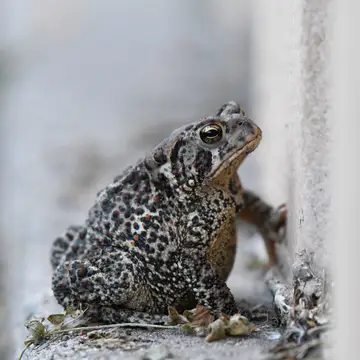
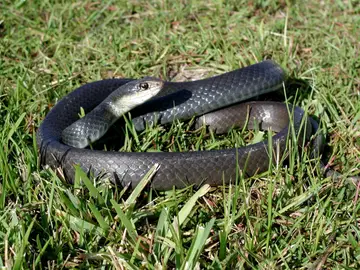
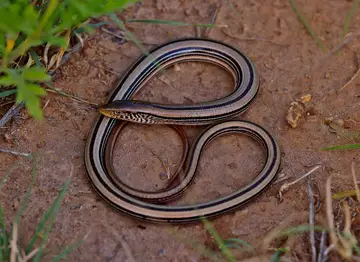
Illinois has 4 venomous snakes named by official sources: Eastern Copperhead, Northern Cottonmouth, Timber Rattlesnake and Eastern Massasauga, as labelled by IDNR. This guide covers 9 animal groups from Illinois Department of Natural Resources (IDNR) lists and other official sources, with photos, venomous status and when each group is active.
Identification help has limits: a photo cannot confirm that an animal is safe. Watch from a distance and never handle a wild animal.
These are the animals official sources describe as venomous or as a risk to people in Illinois, across 8 groups. The reason is given in the source's own terms.
Venomous: “Four species of Ililnois snakes, the eastern copperhead (Agkistrodon contortrix), the northern cottonmouth (Agkistrodon piscivorus), the timber rattlesnake (Crotalus horridus) and the eastern …”
Venomous: “Four species of Ililnois snakes, the eastern copperhead (Agkistrodon contortrix), the northern cottonmouth (Agkistrodon piscivorus), the timber rattlesnake (Crotalus horridus) and the eastern …”
Venomous: “Four species of Ililnois snakes, the eastern copperhead (Agkistrodon contortrix), the northern cottonmouth (Agkistrodon piscivorus), the timber rattlesnake (Crotalus horridus) and the eastern …”
Venomous: “Four species of Ililnois snakes, the eastern copperhead (Agkistrodon contortrix), the northern cottonmouth (Agkistrodon piscivorus), the timber rattlesnake (Crotalus horridus) and the eastern …”
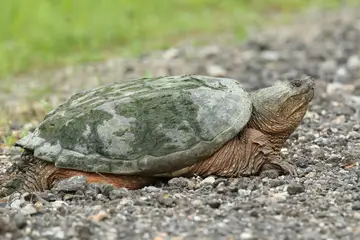
Flesh may be poisonous at times (IDNR): “The flesh of eastern box turtles may be poisonous at times because their tissues store toxins of poisonous mushrooms that the turtle may eat.”
Stings: “Bees, hornets and yellow jackets all can sting humans. Symptoms of a sting range from minimal discomfort to life-threatening reactions to those with an allergy.”
Multiple stings can cause severe anaphylactic and toxic reactions (Illinois Extension): “Multiple stings – 10 or more – can pose unique dangers to human health, especially in children, the elderly, and people who have heart or breathing issues.”
Can swarm an intruder, causing many stings (Illinois Extension): “Wasps are notorious for being aggressive and will swarm an intruder, which can result in many stings.”
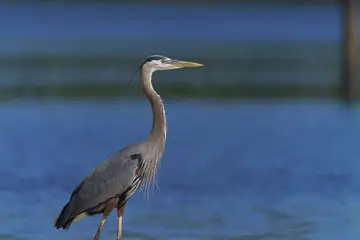
Can carry avian flu: “Dead birds can carry highly pathogenic avian influenza, HPAI, also known as avian flu or bird flu, which has been documented in the U.S. since 2022. Do not handle dead or dying birds”
Concern about attacks on pets and children (Illinois Extension): “Even though they’re relatively small animals, their predatory habits raise concerns about attacks on pets and children.”
Carrier of disease (Illinois Extension): “…the house mouse (Mus musculus) and brown rat (Rattus norvegicus) are both non-native species that are carriers of disease and cause for concern.”
Carrier of disease (Illinois Extension): “…the house mouse (Mus musculus) and brown rat (Rattus norvegicus) are both non-native species that are carriers of disease and cause for concern.”
Darker cells are the months with more open-licence observation records of each group in Illinois (GBIF). They show when people see and record these animals, not how many there are. The current month, this month, is highlighted.
IDNR: the eastern copperhead, northern cottonmouth, timber rattlesnake and eastern massasauga are venomous. IDNR
How many kinds of snakes are in Illinois?
IDNR text says 39 and its gallery shows 38; Illinois Extension says 38; the Illinois Poison Center and the INHS list say 40. IDNR
Are there cottonmouths (water moccasins) in Illinois?
Yes. IDNR: cottonmouths live in swamps and wet bottomlands in southern Illinois, south of Route 13. IDNR · More
Are there rattlesnakes in Illinois?
Yes. IDNR lists the timber rattlesnake (state threatened) and eastern massasauga (state endangered, federally threatened) among the four venomous snakes. IDNR
Where do copperheads live in Illinois?
IDNR: south of Route 16 and in the lower Illinois River valley, in upland forests or river bluffs. IDNR
Are venomous snakes found only in southern illinois?
Illinois Poison Center: venomous snakes are mainly in southern Illinois but can potentially be anywhere in the state; IDNR places massasaugas in counties including Will, Cook and Lake. Illinois Poison Center
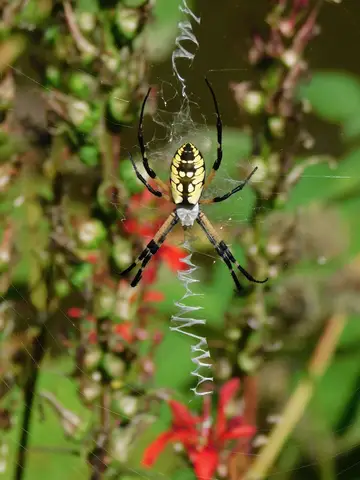
IDNR: only two spiders in Illinois are considered to have a dangerous bite, the brown recluse and the black widow. IDNR also says "Almost all spiders have poison glands", so these are not the only spiders with venom. IDNR
Are there brown recluse spiders in Illinois?
Yes. IDNR: the brown recluse may be found in the southern two-thirds of Illinois, often inside houses. IDNR
Are there black bears in Illinois?
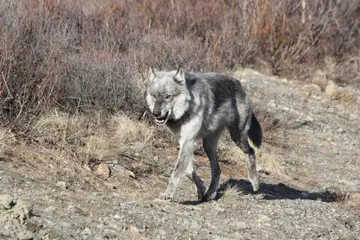
Rarely. Wildlife Illinois (IDNR): no known breeding populations; confirmed sightings of black bears, mountain lions and wolves, all very rare visitors. Wildlife Illinois, website authorized by IDNR
Are there mountain lions in Illinois?
Rarely. Wildlife Illinois (IDNR): multiple confirmed sightings of mountain lions, but still very rare visitors; no known breeding population. Wildlife Illinois, website authorized by IDNR
Are there wolves in Illinois?
Rarely. Wildlife Illinois (IDNR): confirmed wolf sightings but no known breeding population; gray/timber wolf is on the 2025 Illinois endangered list. Wildlife Illinois, website authorized by IDNR
Are there armadillos in Illinois?
Yes. Wildlife Illinois (IDNR): not native; moved into the southern and south-central part of the state; documented breeding in southern Illinois. Wildlife Illinois, website authorized by IDNR · More
Are there feral hogs in Illinois?
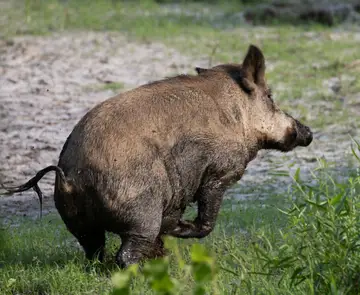
Yes. IDNR: feral swine reported in as many as 32 counties; two self-sustaining breeding populations identified; IDNR and USDA Wildlife Services work to eliminate them. IDNR
Which tick carries lyme disease in Illinois?
IDPH: the blacklegged/deer tick can transmit Lyme disease; it is common mostly in northern Illinois. The lone star tick is not believed to transmit the Lyme bacteria. IDPH
Yes. IDNR says the southern black widow builds its web throughout Illinois. The Illinois Poison Center says black widows are usually only found in southern Illinois. The two official sources differ. IDNR · More
Sources
IDNR Mission Statement. Illinois Department of Natural Resources (IDNR). undated page; checked November 3, 2026.
“Four species of Ililnois snakes, the eastern copperhead (Agkistrodon contortrix), the northern cottonmouth (Agkistrodon piscivorus), the timber rattlesnake (Crotalus horridus) and the eastern massasauga (Sistrurus catenatus) are venomous.”
“Thirty-nine species of snakes inhabit Illinois”
“Cottonmouths live in swamps and wet bottomlands in southern Illinois, south of Route 13.”
“Copperheads occur in the southern one-third of Illinois, south of Route 16 and in the lower Illinois River valley. They prefer upland forests or river bluffs with limestone or sandstone outcroppings.”
“These snakes should be avoided and precautions taken (wear leather boots, do not reach under rocks or logs, do not step over rocks or logs, look around before you sit) if you are entering an area possibly inhabited by venomous snakes.”
“Illinois snake species hibernate during the cold winter months, becoming active in spring as temperatures and day length increase. … They are generally active during the day, but they can become nocturnal when summer temperatures rise.”
“The flesh of eastern box turtles may be poisonous at times because their tissues store toxins of poisonous mushrooms that the turtle may eat.”
“Egg-laying typically occurs between mid-May and early July.”
Studying the striped bark scorpion (INHS video post). Illinois Natural History Survey (INHS), Prairie Research Institute, University of Illinois Urbana-Champaign. Mar 12, 2018; checked November 3, 2026.Quoted passages (2)
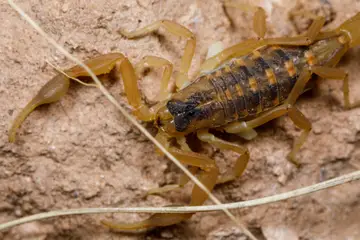
“Illinois is home to a single scorpion species*, but how it came to be here is something of a mystery.”
“The venom produced by this species has a low toxicity.”
Risky Encounters (Wildlife). University of Illinois Extension. undated page; checked November 3, 2026.Quoted passages (10)
“…some people may be allergic to bee or wasp venom without realizing it”
“Wasps are notorious for being aggressive and will swarm an intruder, which can result in many stings.”
“Cockroaches are a common pest and human health threat. Their frass, or poop, can trigger asthma attacks and transmit pathogens.”
“Geese can be quite territorial and even bite and chase people who come too close.”
“Dead birds can carry highly pathogenic avian influenza, HPAI, also known as avian flu or bird flu, which has been documented in the U.S. since 2022. Do not handle dead or dying birds”
“Skunks can carry rabies and other diseases, so avoiding contact is crucial.”
“Though rare, foxes can be carriers of rabies and other diseases.”
“Even though they’re relatively small animals, their predatory habits raise concerns about attacks on pets and children.”
“…the house mouse (Mus musculus) and brown rat (Rattus norvegicus) are both non-native species that are carriers of disease and cause for concern.”
“If you live in an area with a confirmed sighting, keep children and pets indoors or under supervision.”
“Avoid squeezing the stinger to prevent injecting more venom into the wound. Note: Only honey bees lose their stingers.”
“Bees, hornets and yellow jackets all can sting humans. Symptoms of a sting range from minimal discomfort to life-threatening reactions to those with an allergy.”
“Call 9-1-1 for emergency transport to the nearest healthcare facility.”
“Still, when nests are near human activity areas their painful, and sometimes life threatening, stings are a real threat.”
Dangerous Encounters (Wildlife). University of Illinois Extension. undated page; checked November 3, 2026.Quoted passages (3)
“Multiple stings – 10 or more – can pose unique dangers to human health, especially in children, the elderly, and people who have heart or breathing issues.”
“Bats are the primary carriers of rabies in Illinois”
“Do not attempt to kill or collect the snake, as you risk further aggravating it.”
“If you have recently seen a mountain lion, black bear, or gray wolf in Illinois, please report the sighting below to the Illinois Department of Natural Resources.”
“Today, there are no known breeding populations of these large predators in Illinois, though occasionally individual animals will move through looking for new territory.”
“In recent years, there have been multiple confirmed sightings of mountain lions, black bears, and wolves in Illinois. However, these species are all still very rare visitors in the state.”
“In recent years, there have been multiple confirmed sightings of mountain lions, black bears, and wolves in Illinois.”
“Poisonous snakes mainly slither in southern Illinois, but can potentially be anywhere in the state.”
“IPC is here to help. Calls to our helpline, 1-800-222-1222, are free and confidential. … Call 911 if someone is unconscious or is having difficulty breathing.”
“Do not attempt to move a snake, even if you think it’s dead.”