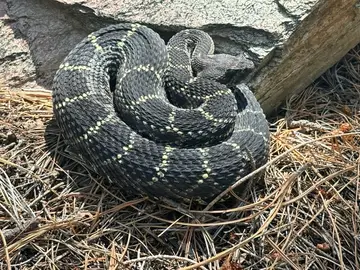
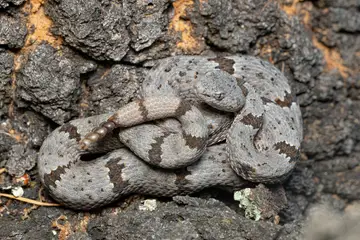
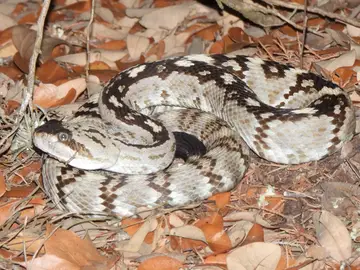
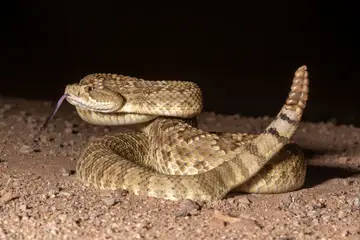
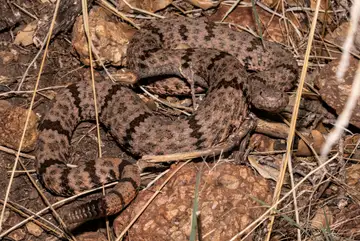
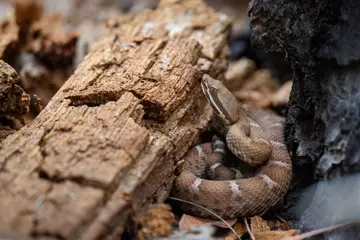
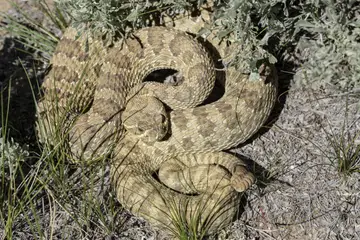
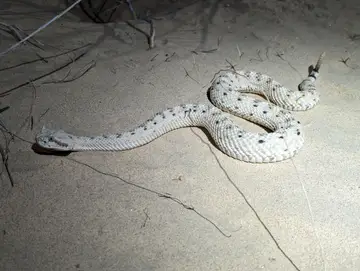
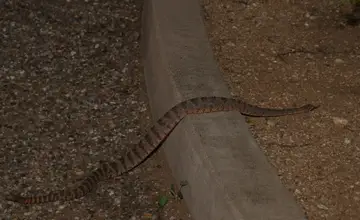
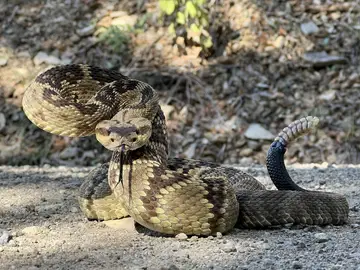
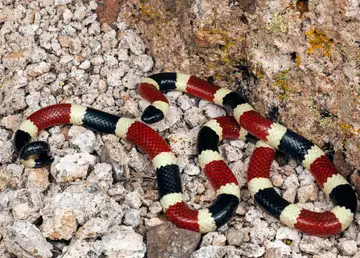
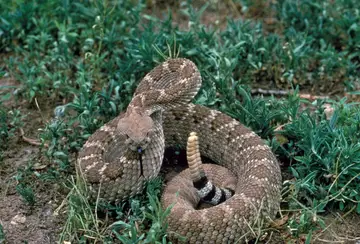
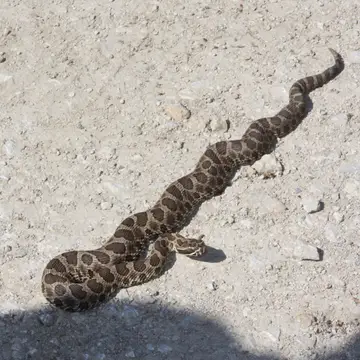
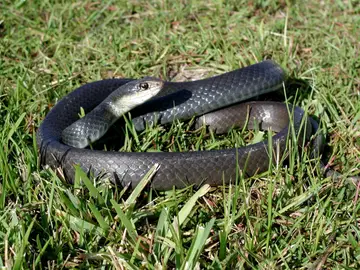
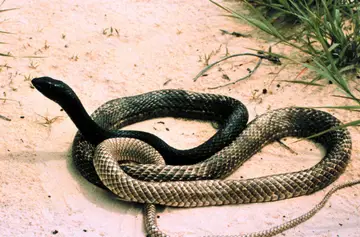
New Mexico has 12 venomous snakes named by official sources: Western Coral Snake, Western Diamond-backed Rattlesnake, Sidewinder Rattlesnake, Banded Rock Rattlesnake and Mottled Rock Rattlesnake (two forms of one species), Western Black-tailed Rattlesnake, Eastern Black-tailed Rattlesnake, Mojave Rattlesnake, Tiger Rattlesnake, Prairie Rattlesnake, New Mexico Ridge-nosed Rattlesnake, Western Massasauga and Arizona Black Rattlesnake. Each one is labelled venomous by New Mexico Poison & Drug Information Center, BISON-M, National Park Service and College of ACES.
The 12 venomous snake species of New Mexico
Recognize them from a distance; a photo cannot confirm that a snake is safe. Identifying animals safely.
State NM: Species of Greatest Conservation Need (SGCN) 2025
What the sources say
Venom: “Mojave rattlesnakes in Hidalgo County, New Mexico appear to have two types of venom present, specifically neurotoxic and hemorrhagic.” (BISON-M)
State NM: Species of Greatest Conservation Need (SGCN) 2025; State NM: Threatened
What the sources say
Venom: “Many different types of rattlesnakes live in New Mexico, including: prairie, western diamondback, black-tailed, rock, ridgenose, massasauga and Mojave.” (New Mexico Poison & Drug Information Center)
Federal: Threatened; State NM: Endangered; State NM: Species of Greatest Conservation Need (SGCN) 2025
What the sources say
Venom: “Many different types of rattlesnakes live in New Mexico, including: prairie, western diamondback, black-tailed, rock, ridgenose, massasauga and Mojave.” (New Mexico Poison & Drug Information Center)
Usually about 3 to 4 feet; Montana gives 15 to 60 inches and NPS says up to 5 feet. Arizona gives a maximum of 28 to 64 inches (excluding rattle) depending on subspecies; in Colorado it is rarely over 39 inches.
How to recognize it
Rattle (or a button in newborns) at the tail tip
Head much broader than the neck, many small scales on top of the head, heat-sensing pit between eye and nostril
Vertical (cat-like) pupils
JFMAMJJASOND
122 records by month.What the sources say
Venom: “Prairie rattlesnakes are also venomous to people and pets” (National Park Service)
Venom: “Black-tailed rattlesnakes are sometimes seen along the trail sunning themselves in the summer. Watch your step so you don't disturb these venomous snakes.” (National Park Service)
Usually about 3.5 to 4.5 feet; Texas says it can reach seven feet. Arizona's maximum is 66 inches excluding the rattle; Saguaro National Park gives a range of 30 to 90 inches.
How to recognize it
Rattle at the end of the tail
Broad triangular head on a slender neck; vertical pupils
Thin light stripe from behind the eye down to the upper lip
JFMAMJJASOND
350 records by month.What the sources say
Venom: “…western diamondback rattlesnakes (Crotalus atrox) are one of the venomous species of snake at El Malpais.” (National Park Service)
State NM: Species of Greatest Conservation Need (SGCN) 2025
What the sources say
Venom: “Like all rattlesnakes, the desert massasauga is venomous” (BISON-M)
For 32 other snakes on New Mexico's list, no official source we use states whether it is venomous: Arid Land Ribbonsnake, Big Bend Patchnose Snake, Black-necked Gartersnake, Chihuahuan Black-headed Snake, Chihuahuan Nightsnake, Desert Nightsnake, Desert Striped Whipsnake and Eastern Hognose Snake and others. That does not make them harmless. Leave every snake alone.
TWRA: the racer lacks the coachwhip's reddish tint along the sides of the tail; an all-black coachwhip is distinctly lighter or reddish toward the rear. Oklahoma: the coachwhip is much larger.
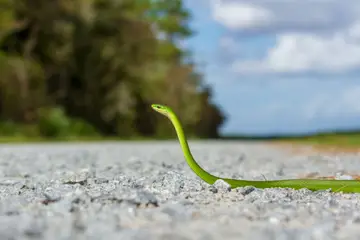
Rough green snake or Eastern yellow-bellied racer (some populations)?
Oklahoma: some central and western Oklahoma populations of the eastern yellow-bellied racer can look green. Rough greensnakes have distinctly keeled scales; racers have smooth scales.
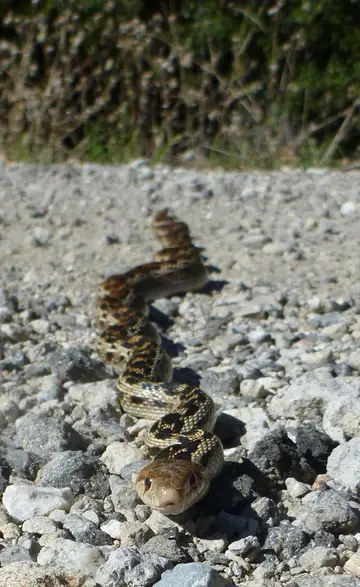
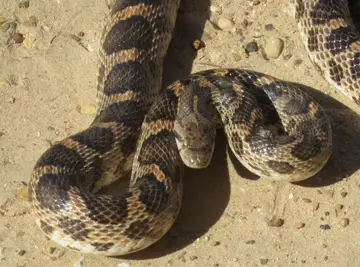
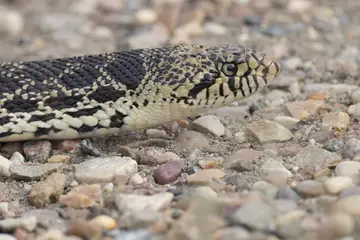
Gopher snake (gophersnake) or Glossy snake?
Photo: National Park Service from USA · Public domain · Wikimedia Commons
Bullsnakes lack a rattle but copy rattlesnake color and back pattern, and can hiss and shake the tail. In dry brush that can sound like a buzzing rattlesnake. National Park Service
Rattlesnakes rarely attack unless provoked; give snakes room and stay on trails. National Park Service
How to report
Dangerous wildlife encounter: contact the nearest NMDOW conservation officer (Mon-Fri 8 a.m.-5 p.m.; enforcement contacts map at https://wildlife.dgf.nm.gov/enforcement/law-enforcement-contact-information/), otherwise State Police dispatch. Suspected New World screwworm in game animals: NMDOW 888-248-6866. New Mexico Department of Wildlife
Venom labels come only from official sources and link to them; "Not stated" never means harmless. How labels work.
Sources
Living With Wildlife. New Mexico Department of Wildlife (formerly New Mexico Department of Game and Fish). page modified 2026-10-26; checked November 3, 2026.Quoted passages (1)
“In the event of a dangerous encounter, please reach out to your nearest Department conservation officer during regular business hours (Monday-Friday, 8 a.m.-5 p.m.).”
“Some harmless snakes (such as king snakes and coachwhips) eat other snakes, including poisonous ones.”
“Some non-poisonous snakes, such as bull snakes, coachwhips and rat snakes, behave like rattlesnakes when confronted.”
“Although coral snakes rarely bite, their venom is highly poisonous, so they should not be handled.”
“The western coral snake (Microroides euryxanthus) is found in extreme southwestern Catron County and western Hidalgo and Grant counties.”
Bites and Stings. New Mexico Poison & Drug Information Center (UNM Health Sciences; New Mexico's poison-control program). undated page; checked November 3, 2026.Quoted passages (4)
“Coral Snakes are often confused with the non-venomous New Mexico milk snake because they have similar banding patterns.”
“The two types of venomous snakes in New Mexico are the rattlesnake and the coral snake.”
“Do not try to capture or handle a venomous snake.”
“Snake season is usually April through October in New Mexico, when snakes come out of their winter dens to hunt for food and water.”
“Bull snakes are not venomous and do not have rattles on the end of their tail.”
“Black-tailed rattlesnakes are sometimes seen along the trail sunning themselves in the summer. Watch your step so you don't disturb these venomous snakes.”
“…western diamondback rattlesnakes (Crotalus atrox) are one of the venomous species of snake at El Malpais.”
“Prairie rattlesnakes are also venomous to people and pets”
“Often confused with rattlesnakes, bullsnakes lack a rattle.”
“Although prairie rattlesnakes are smaller than western diamondback rattlesnakes, prairie rattlesnake coloration is similar with a range of green to brown with a series of brown or black blotches. No black and white striping is present at the base of the rattle.”
“Many different types of rattlesnakes live in New Mexico, including: prairie, western diamondback, black-tailed, rock, ridgenose, massasauga and Mojave.”