States Wildlife

Vermont Mammals: Species List With Pictures

Last checked November 3, 2026 against official sources.

On this page
  1. Which mammals can hurt you
  2. All 58 mammals
  3. Lookalikes
  4. When they are active
  5. If you are bitten or stung
  6. How to report
  7. What official sources say
  8. About this list
  9. Sources

Vermont Fish & Wildlife Department: 58# Species in Group:

This page lists 58 mammals: all from Vermont Fish & Wildlife Department's Mammals of Vermont. 3 are nonnative.

Which mammals can hurt you

Official sources single out these mammals in Vermont, in their own words:

All 58 mammals

From A to Z. Do not handle them.

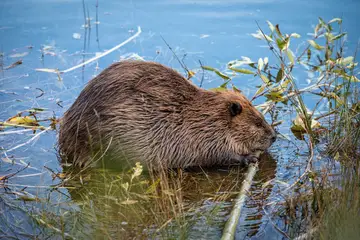
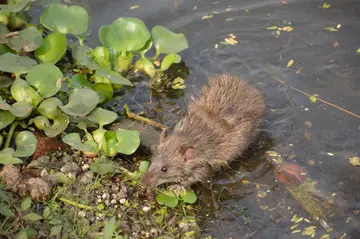
American Beaver
Photo: GrandTetonNPS · Public domain · Wikimedia Commons

American Beaver

Castor canadensis

Conservation
state rank S5
453 records by month.
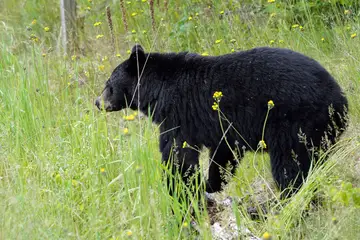
American Black Bear
Photo: U.S. Fish and Wildlife Service - Midwest Region · Public domain · Wikimedia Commons

American Black Bear

Ursus americanus

Danger to people
“Black bears are large, strong wild animals that should be treated with respect and appreciated from a distance to ensure your safety as well as the bear’s.” Vermont Fish & Wildlife Department
Size
Smokies: males average about 6 ft long, 3 ft at the shoulder and 250 lb in summer; females usually just over 100 lb. Missouri: 46 to 78 inches long, 86 to 600 lb.
How to recognize it
  • Straight facial profile, rounded erect ears, very short tail
  • Short curved claws for climbing
Conservation
state rank S5
529 records by month.

Full American Black Bear guide

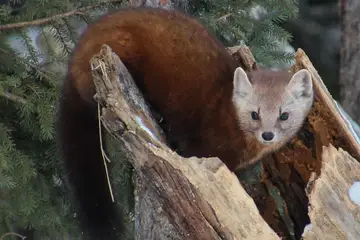
American Marten
Photo: Connor Haindfield · CC BY 4.0 · iNaturalist

American Marten

Martes americana

Conservation
state endangered; SGCN (Vermont Wildlife Action Plan); state rank S1
No confirmed photo of American Mink

American Mink

Neogale vison

Conservation
state rank S5
No confirmed photo of Big Brown Bat

Big Brown Bat

Eptesicus fuscus

Conservation
SGCN (Vermont Wildlife Action Plan); state rank S4
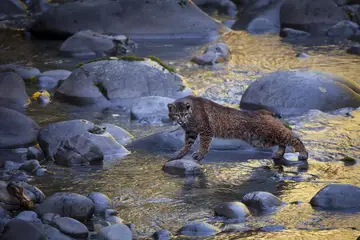
Bobcat
Photo: National Marine Sanctuaries · Public domain · Wikimedia Commons

Bobcat

Lynx rufus

Size
Total length 18 to 50 inches, tail 3 to 8 inches, weight 8 to 49 pounds (Missouri). About twice the size of a house cat.
How to recognize it
  • Short 'bobbed' tail, 4 to 8 inches, with a black tip and white underneath (Arizona). New Mexico instead describes black bars on top, white underneath and a white tip.
  • Pointed ears with tufts at the tips, often with cheek tufts
  • Backs of the ears are black with a light central spot
Conservation
SGCN (Vermont Wildlife Action Plan); state rank S5
76 records by month.

Full Bobcat guide

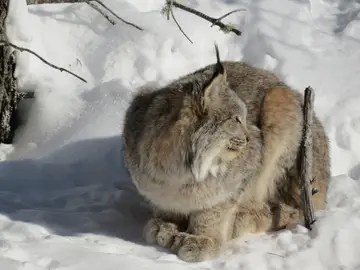
Canadian Lynx
Photo: Norma Malinowski · CC BY 4.0 · iNaturalist

Canadian Lynx

Lynx canadensis

Conservation
state endangered; federally threatened; SGCN (Vermont Wildlife Action Plan); state rank S1
No confirmed photo of Cinereus or Masked Shrew

Cinereus or Masked Shrew

Sorex cinereus

Conservation
SGCN (Vermont Wildlife Action Plan); state rank S5
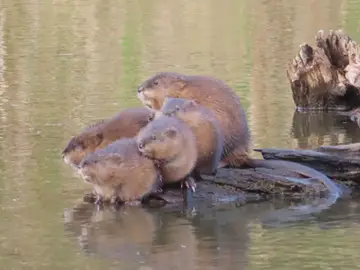
Common Muskrat
Photo: Ken Clark · CC BY 4.0 · iNaturalist

Common Muskrat

Ondatra zibethicus

Conservation
SGCN (Vermont Wildlife Action Plan); state rank S5
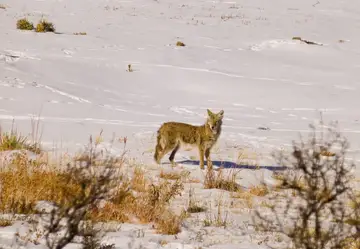
Coyote
Photo: Gaurav Vaidya from Chapel Hill, USA · CC BY 2.0 · Wikimedia Commons

Coyote

Canis latrans

Size
About 3.5 to 4 feet long including the tail and roughly 2 feet tall at the shoulder; weight varies by region: Arizona 20 to 30 lb, Florida average about 28 lb, Georgia 25 to 45 lb
How to recognize it
  • Large pointed ears, long narrow nose, bushy black-tipped tail
  • Like a slender medium-sized dog, much smaller than a wolf
  • Paw track about 2 inches long (Florida)
Conservation
state rank S5
202 records by month.

Full Coyote guide

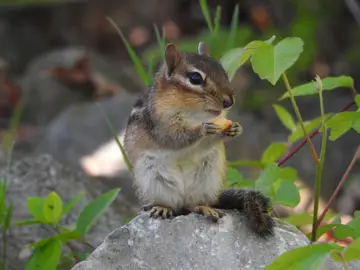
Eastern Chipmunk
Photo: Yann Kemper · CC0 1.0 · iNaturalist

Eastern Chipmunk

Tamias striatus

Conservation
state rank S5
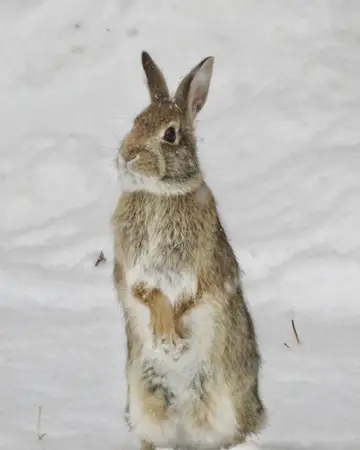
Eastern Cottontail
Photo: Bernie Paquette · CC BY 4.0 · iNaturalist

Eastern Cottontail

Sylvilagus floridanus

Nonnative

Conservation
state rank SNA
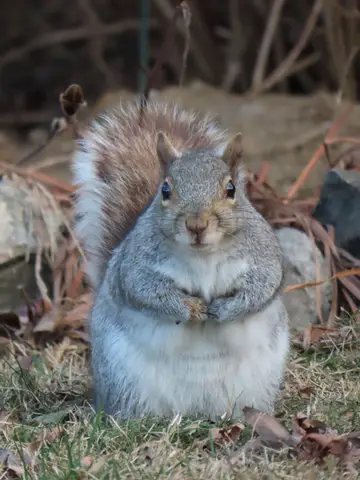
Eastern Gray Squirrel
Photo: Mila C · CC BY 4.0 · iNaturalist

Eastern Gray Squirrel

Sciurus carolinensis

Conservation
state rank S5
635 records by month.
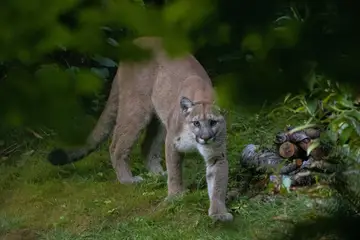
Eastern Mountain Lion
Photo: Jeff Bartlett · CC BY 4.0 · iNaturalist

Eastern Mountain Lion

Puma concolor couguar

Conservation
state endangered; federally delisted; SGCN (Vermont Wildlife Action Plan); state rank SH
No confirmed photo of Eastern Pygmy Shrew

Eastern Pygmy Shrew

Sorex hoyi

Conservation
SGCN (Vermont Wildlife Action Plan); state rank S2
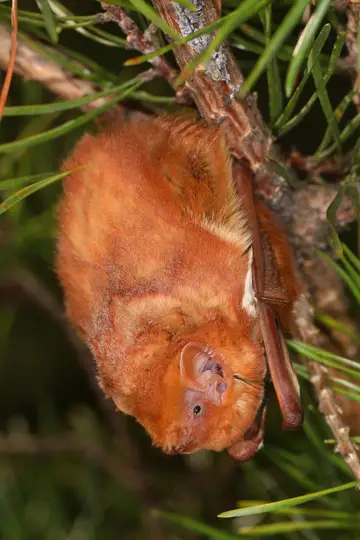
Eastern Red Bat
Photo: Judy Gallagher · CC BY-SA 4.0 · iNaturalist · resized

Eastern Red Bat

Lasiurus borealis

Conservation
SGCN (Vermont Wildlife Action Plan); state rank S4B
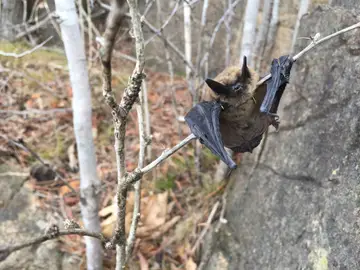
Eastern Small-footed Bat
Photo: Kate Kruesi · CC BY 4.0 · iNaturalist

Eastern Small-footed Bat

Myotis leibii

Conservation
state threatened; SGCN (Vermont Wildlife Action Plan); state rank S1
No confirmed photo of Eastern Water Shrew

Eastern Water Shrew

Sorex albibarbis

Conservation
SGCN (Vermont Wildlife Action Plan); state rank S3
No confirmed photo of Ermine

Ermine

Mustela richardsonii

Conservation
state rank S5
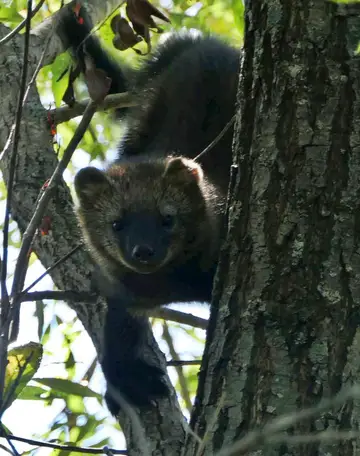
Fisher
Photo: christine123 · CC BY 4.0 · iNaturalist

Fisher

Pekania pennanti

Size
New York: males 7 to 15 pounds and 35 to 47 inches; females 3 to 7 pounds and 30 to 37 inches. Figures vary by state.
How to recognize it
  • Low to the ground with short legs, small ears and a well-furred tail
  • Tail about one-third of total length
  • Five toes and sharp semi-retractable claws; bright green eyeshine at night
Conservation
state rank S5

Full Fisher guide

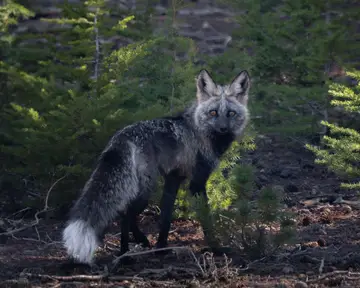
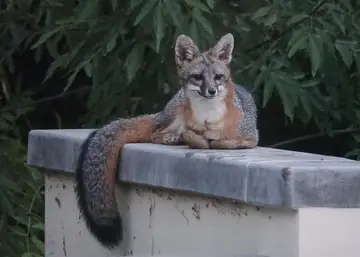
Gray Fox
Photo: Mike's Birds from Riverside, CA, US · CC BY-SA 2.0 · Wikimedia Commons · resized

Gray Fox

Urocyon cinereoargenteus

Danger to people
“In Vermont, the virus is most often found in raccoons, skunks, foxes, and bats” Vermont Department of Health
Conservation
SGCN (Vermont Wildlife Action Plan); state rank S5
134 records by month.
No confirmed photo of Hairy-tailed Mole

Hairy-tailed Mole

Parascalops breweri

Conservation
SGCN (Vermont Wildlife Action Plan); state rank S4
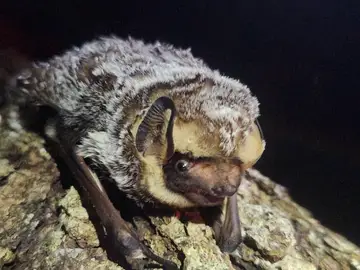
Hoary Bat
Photo: otiegoat · CC BY 4.0 · iNaturalist

Hoary Bat

Lasiurus cinereus

Conservation
SGCN (Vermont Wildlife Action Plan); state rank S3B
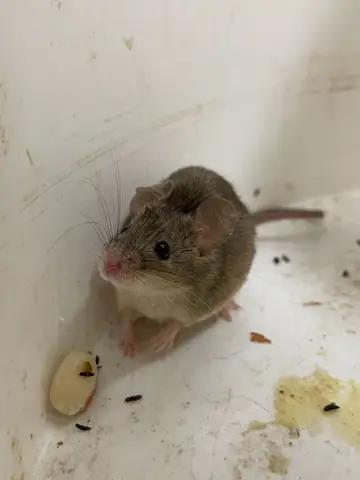
House Mouse
Photo: Emily Langdon-Lassagne · CC0 1.0 · iNaturalist

House Mouse

Mus musculus

Nonnative

Conservation
state rank SNA
No confirmed photo of Indiana Bat

Indiana Bat

Myotis sodalis

Conservation
state endangered; federally endangered; SGCN (Vermont Wildlife Action Plan); state rank S1
No confirmed photo of Little Brown Bat

Little Brown Bat

Myotis lucifugus

Conservation
state endangered; federal status UR (Under Review, per list legend); SGCN (Vermont Wildlife Action Plan); state rank S1
No confirmed photo of Long-tailed or Rock Shrew

Long-tailed or Rock Shrew

Sorex dispar

Conservation
state special concern; SGCN (Vermont Wildlife Action Plan); state rank S2
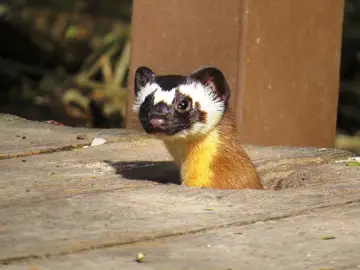
Long-tailed Weasel
Photo: johnyochum · CC BY 4.0 · iNaturalist

Long-tailed Weasel

Neogale frenata

Conservation
SGCN (Vermont Wildlife Action Plan); state rank S3S4
No confirmed photo of Meadow Jumping Mouse

Meadow Jumping Mouse

Zapus hudsonius

Conservation
state rank S5
No confirmed photo of Meadow Vole

Meadow Vole

Microtus pennsylvanicus

Conservation
state rank S5
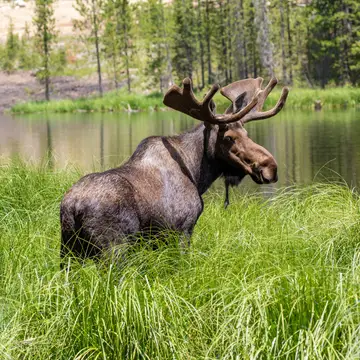
Moose
Photo: Dan Vickers · CC BY 4.0 · iNaturalist

Moose

Alces alces

Size
Alaska: adults 800 lb (small cow) to 1,600 lb (large bull), up to almost 6 feet tall. Elsewhere, NY DEC: bulls 600-1,200 lb, cows 500-800 lb.
How to recognize it
  • "Bell": flap of skin and hair hanging from the throat (both sexes)
  • Antlers on males only; flat and palmate (hand-shaped), up to five feet wide
  • Antlers only on males (ADF&G)
Conservation
SGCN (Vermont Wildlife Action Plan); state rank S5
1,652 records by month.

Full Moose guide

No confirmed photo of New England Cottontail

New England Cottontail

Sylvilagus transitionalis

Conservation
state special concern; SGCN (Vermont Wildlife Action Plan); state rank SH
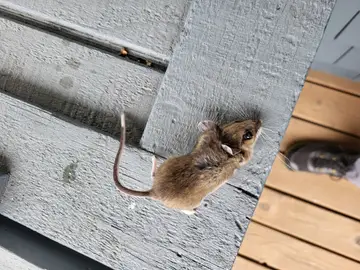
North American Deermouse
Photo: Charlie Pavlisich · CC BY 4.0 · iNaturalist

North American Deermouse

Peromyscus maniculatus

Conservation
state rank S5
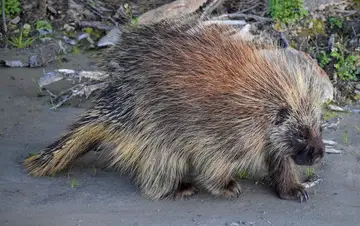
North American Porcupine
Photo: The Cosmonaut · CC BY-SA 2.5 ca · Wikimedia Commons · resized

North American Porcupine

Erethizon dorsatum

Size
Adults about 30 inches including a 6- to 10-inch tail, 9 to 15 pounds, older adults up to 20 pounds (Pennsylvania). Massachusetts: 25-31 inches, averaging 12 pounds in early spring to 20 in fall. Minnesota: 24 to 40 inches, 18 to 35 pounds.
How to recognize it
  • Coat of quills; up to 30,000
  • Only North American mammal with coat hairs modified as quills
  • Short legs, long claws, high-arching back
Conservation
state rank S5
505 records by month.

Full North American Porcupine guide

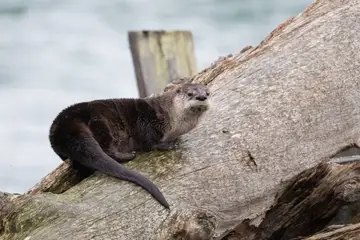
North American River Otter
Photo: Adam Jackson · CC0 1.0 · iNaturalist

North American River Otter

Lontra canadensis

Conservation
SGCN (Vermont Wildlife Action Plan); state rank S5
57 records by month.
No confirmed photo of Northern Flying Squirrel

Northern Flying Squirrel

Glaucomys sabrinus

Conservation
SGCN (Vermont Wildlife Action Plan); state rank S4
No confirmed photo of Northern Long-eared Bat

Northern Long-eared Bat

Myotis septentrionalis

Conservation
state endangered; federally endangered; SGCN (Vermont Wildlife Action Plan); state rank S1
No confirmed photo of Northern Short-tailed Shrew

Northern Short-tailed Shrew

Blarina brevicauda

Conservation
state rank S5
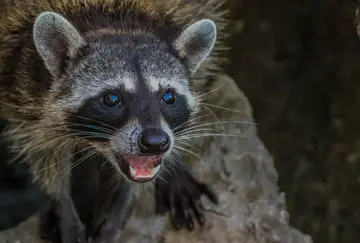
Raccoon
Photo: Marco Antonino Ramos Rodríguez · CC BY-SA 4.0 · Wikimedia Commons · resized

Raccoon

Procyon lotor

Danger to people
“In Vermont, the virus is most often found in raccoons, skunks, foxes, and bats” Vermont Department of Health
Conservation
state rank S5
286 records by month.
Red Fox
Photo: David Willingham · CC BY 4.0 · iNaturalist

Red Fox

Vulpes vulpes

Danger to people
“In Vermont, the virus is most often found in raccoons, skunks, foxes, and bats” Vermont Department of Health
Conservation
state rank S5
201 records by month.
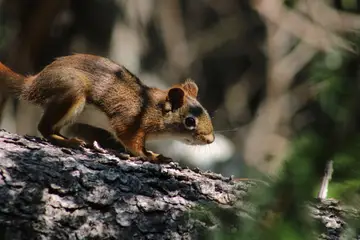
Red Squirrel
Photo: oksanaetal · CC BY 4.0 · iNaturalist

Red Squirrel

Tamiasciurus hudsonicus

Conservation
state rank S5
No confirmed photo of Rock Vole

Rock Vole

Microtus chrotorrhinus

Conservation
state special concern; SGCN (Vermont Wildlife Action Plan); state rank S2
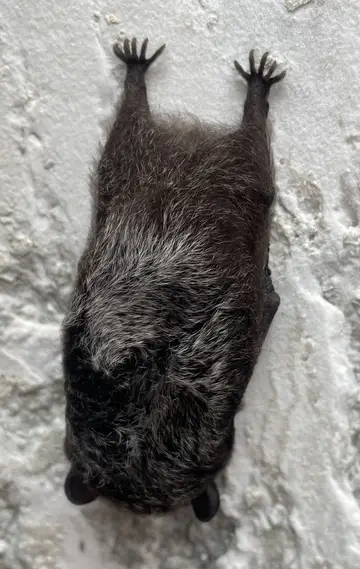
Silver-haired Bat
Photo: Sam Kieschnick · CC BY 4.0 · iNaturalist

Silver-haired Bat

Lasionycteris noctivagans

Conservation
SGCN (Vermont Wildlife Action Plan); state rank S2B
No confirmed photo of Smoky Shrew

Smoky Shrew

Sorex fumeus

Conservation
SGCN (Vermont Wildlife Action Plan); state rank S4
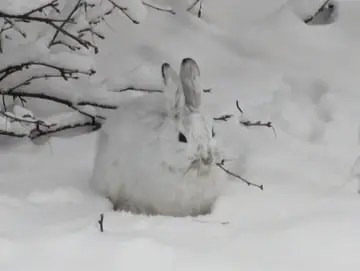
Snowshoe Hare
Photo: Matt Muir · CC BY 4.0 · iNaturalist

Snowshoe Hare

Lepus americanus

Conservation
SGCN (Vermont Wildlife Action Plan); state rank S5
No confirmed photo of Southern Bog Lemming

Southern Bog Lemming

Synaptomys cooperi

Conservation
SGCN (Vermont Wildlife Action Plan); state rank S2
No confirmed photo of Southern Flying Squirrel

Southern Flying Squirrel

Glaucomys volans

Conservation
SGCN (Vermont Wildlife Action Plan); state rank S5
No confirmed photo of Southern Red-backed Vole

Southern Red-backed Vole

Clethrionomys gapperi

Conservation
state rank S5
No confirmed photo of Star-nosed Mole

Star-nosed Mole

Condylura cristata

Conservation
state rank S5
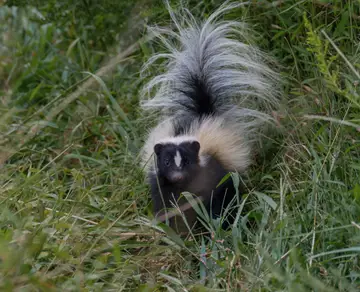
Striped Skunk
Photo: Mirko Schoenitz · CC0 1.0 · iNaturalist

Striped Skunk

Mephitis mephitis

Danger to people
“In Vermont, the virus is most often found in raccoons, skunks, foxes, and bats” Vermont Department of Health
Conservation
state rank S5
149 records by month.
Tri-colored Bat
Photo: Felix Zareie-Vaux · CC0 1.0 · iNaturalist

Tri-colored Bat

Perimyotis subflavus

Conservation
state endangered; proposed federally endangered; SGCN (Vermont Wildlife Action Plan); state rank S1
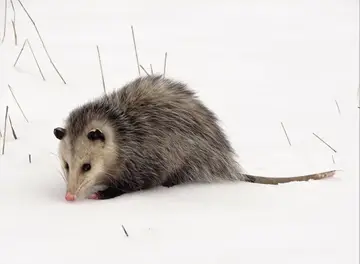
Virginia Opossum
Photo: Shirley Zundell · CC BY 4.0 · iNaturalist

Virginia Opossum

Didelphis virginiana

Size
Weighs 4 to 7 lb and stands 6 to 8 inches high at the shoulder (South Carolina DNR); about the size of a house cat
How to recognize it
  • Long pointed nose, black hairless ears, dark eyes, nearly hairless grasping (prehensile) tail
  • Long scaly tail and a pointed snout ending in a pink nose
  • Opposable thumb-like big toe (hallux) on each hind foot
Conservation
state rank S5
57 records by month.

Full Virginia Opossum guide

No confirmed photo of White-footed Deermouse

White-footed Deermouse

Peromyscus leucopus

Conservation
state rank S5
No confirmed photo of White-tailed Deer

White-tailed Deer

Odocoileus virginianus

Conservation
state rank S5
1,600 records by month.
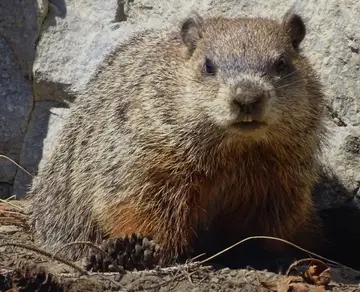
Woodchuck
Photo: Shirley Zundell · CC BY 4.0 · iNaturalist

Woodchuck

Marmota monax

Conservation
state rank S5
No confirmed photo of Woodland Jumping Mouse

Woodland Jumping Mouse

Napaeozapus insignis

Conservation
state rank S5
No confirmed photo of Woodland Vole

Woodland Vole

Microtus pinetorum

Conservation
SGCN (Vermont Wildlife Action Plan); state rank S3

Mammals people confuse

Bobcat or Canada lynx?

Bobcat
Photo: National Marine Sanctuaries · Public domain · Wikimedia Commons

Bobcat Not stated

Canada lynx
Photo: Norma Malinowski · CC BY 4.0 · iNaturalist

Canada lynx Not stated

A lynx has longer ear tufts and large, fur-covered feet (3.5 to 4.5 inches wide). A bobcat's feet are small and hairless (up to 2.5 inches). A lynx's tail has a black tip and no white underneath; a bobcat's tail is white underneath. Do not use the tail tip alone, because agencies describe the bobcat's tip differently (New Mexico white, Arizona black).

Photos show typical adults; individuals vary. Never get close to compare.

When mammals are active in Vermont

Records of mammals in Vermont peak in May to October. They show when people record mammals, not how many there are (about month bars).

12,583 records of mammals in Vermont by month (GBIF, CC0 and CC BY records).

If you are bitten or stung

Call 911 or Poison Help at 1-800-222-1222 right away. Poison Help connects you to your local poison center, any time of day.

Official advice from Vermont Fish & Wildlife Department and Vermont Department of Health:

  • Bears: never feed bears; feed birds only December to March; secure trash, pet food, chickens and beehives. Report a bear in a residential area or an aggressive bear to Vermont Fish & Wildlife. Vermont Fish & Wildlife Department
  • Rabies: for a bite from a wild animal, contact the Vermont USDA Rabies Hotline 1-800-4-RABIES (1-800-472-2437) or a Game Warden. Vermont Department of Health

How to report

Reptiles and amphibians (including Timber Rattlesnake sightings): Vermont Reptile and Amphibian Atlas (vtherpatlas.org). Bear incidents and rare animals: F&W Citizen Reporting forms. Invasive insects and aquatic animals: vtinvasives.org Report It! pages. Wildlife conflicts: U.S. Department of Agriculture's Animal Damage Control Unit (name as given on the F&W page), Berlin VT, 802-223-8690. Vermont Fish & Wildlife Department

What official sources say

Are there bears in Vermont?

Yes. The American Black Bear is on the F&W mammal list (state rank S5, common). Vermont Fish & Wildlife Department

“Ursus americanus American Black Bear S5 G5”

Are there moose in Vermont?

Yes. Moose are on the F&W mammal list; motor vehicles are the main known cause of non-hunting moose deaths. Vermont Fish & Wildlife Department

“The primary known cause of non-hunting moose deaths (mortalities) in Vermont is motor vehicles.”

Are there mountain lions in Vermont?

Not anymore. The Eastern Mountain Lion is on the F&W list as state rank SH (possibly extirpated; known only from historical occurrences but with hope of rediscovery) and state endangered. Vermont Fish & Wildlife Department

About this list

The species list comes from Mammals of Vermont (Vermont Natural Heritage Inventory, Vermont Fish & Wildlife Department) (Vermont Fish & Wildlife Department (Vermont Natural Heritage Inventory), 07 December 2022).

Venom labels come only from official sources and link to them; "Not stated" never means harmless. How labels work.

"Nonnative" and "Invasive" follow the wording of the source list. See invasive species in Vermont.

Sources

  1. Reptiles and Amphibians of Vermont. Vermont Fish & Wildlife Department (Vermont Natural Heritage Inventory). document dated 13 March 2022; checked November 3, 2026.
  2. Mammals of Vermont. Vermont Fish & Wildlife Department (Vermont Natural Heritage Inventory). document dated 07 December 2022; checked November 3, 2026.
    Quoted passages (1)
    “Ursus americanus American Black Bear S5 G5”
  3. Vertebrate Animals of Vermont. Vermont Fish & Wildlife Department (Vermont Natural Heritage Inventory). document dated 07 December 2022; checked November 3, 2026.
    Quoted passages (1)
    “58# Species in Group:”
  4. Rabies. Vermont Department of Health. updated October 22, 2026; checked November 3, 2026.
    Quoted passages (2)
    “In Vermont, the virus is most often found in raccoons, skunks, foxes, and bats”
    “Call the Vermont USDA Rabies Hotline at 1-800-4-RABIES (1-800-472-2437) or 1-802-223-8690.”
  5. If You Encounter a Bear. Vermont Fish & Wildlife Department. undated page; checked November 3, 2026.
    Quoted passages (1)
    “Black bears are large, strong wild animals that should be treated with respect and appreciated from a distance to ensure your safety as well as the bear’s.”
  6. Living with Black Bears. Vermont Fish & Wildlife Department. undated page; checked November 3, 2026.
    Quoted passages (2)
    “If you see a bear in a residential area or you encounter an aggressive bear, please contact the Vermont Fish & Wildlife Department.”
    “Feed birds from December to March only.”
  7. Citizen Reporting. Vermont Fish & Wildlife Department. undated page; checked November 3, 2026.
    Quoted passages (1)
    “Report incidents of property damage by bears, visits to birdfeeders, compost bins or garbage, bears on porches or decks, damage to bee hives, corn or other crops, and any incident where you feel threatened by a bear.”
  8. Moose. Vermont Fish & Wildlife Department. undated page; checked November 3, 2026.
    Quoted passages (1)
    “The primary known cause of non-hunting moose deaths (mortalities) in Vermont is motor vehicles.”
  9. GBIF.org occurrence records, human observations licensed CC0 1.0 or CC BY 4.0 only, accessed November 3, 2026. The datasets behind these counts are listed on our Sources page.