States Wildlife

Minnesota Mammals: Species List With Pictures

Last checked November 3, 2026 against official sources.

On this page
  1. Which mammals can hurt you
  2. All 82 mammals
  3. Lookalikes
  4. When they are active
  5. If you are bitten or stung
  6. How to report
  7. Common questions
  8. What official sources say
  9. About this list
  10. Sources

This page lists 82 mammals: all from Minnesota Department of Natural Resources's Mammals in Minnesota.

Which mammals can hurt you

Official sources single out these mammals in Minnesota, in their own words:

All 82 mammals

From A to Z. Do not handle them.

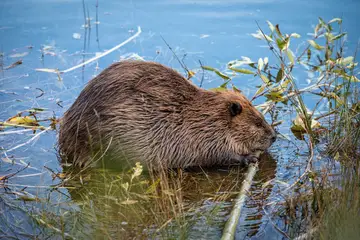
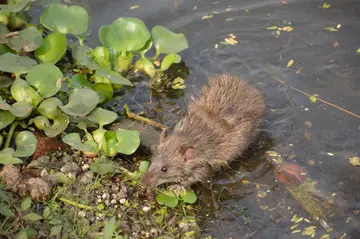
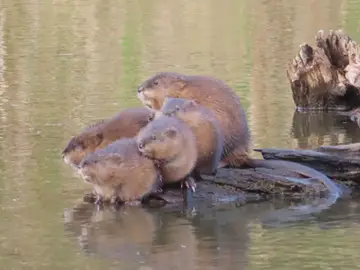
American Beaver
Photo: GrandTetonNPS · Public domain · Wikimedia Commons

American Beaver

Castor canadensis

304 records by month.
American Black Bear
Photo: U.S. Fish and Wildlife Service - Midwest Region · Public domain · Wikimedia Commons

American Black Bear

Ursus americanus

Danger to people
“Black bears, by nature, are wary of people and not normally aggressive. They are, however, large, powerful and surprisingly fast-moving animals.” Minnesota Department of Natural Resources
Size
Smokies: males average about 6 ft long, 3 ft at the shoulder and 250 lb in summer; females usually just over 100 lb. Missouri: 46 to 78 inches long, 86 to 600 lb.
How to recognize it
  • Straight facial profile, rounded erect ears, very short tail
  • Short curved claws for climbing
Where in Minnesota
Mainly the northern third of Minnesota, ranging as far south as the interface between the forest and agricultural zones Minnesota Department of Natural Resources
65 records by month.
What the sources say

Habitat: Forests, swamps, and other areas with dense cover (Minnesota Department of Natural Resources)

Full American Black Bear guide

No confirmed photo of American Water Shrew

American Water Shrew

Sorex palustris

No confirmed photo of Arctic Shrew

Arctic Shrew

Sorex arcticus

No confirmed photo of Big Brown Bat

Big Brown Bat

Eptesicus fuscus

Conservation
Minnesota special concern species
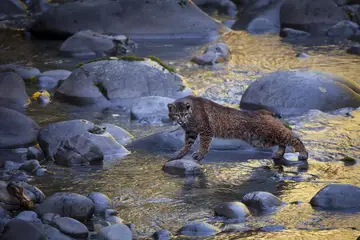
Bobcat
Photo: National Marine Sanctuaries · Public domain · Wikimedia Commons

Bobcat

Lynx rufus

Size
Total length 18 to 50 inches, tail 3 to 8 inches, weight 8 to 49 pounds (Missouri). About twice the size of a house cat.
How to recognize it
  • Short 'bobbed' tail, 4 to 8 inches, with a black tip and white underneath (Arizona). New Mexico instead describes black bars on top, white underneath and a white tip.
  • Pointed ears with tufts at the tips, often with cheek tufts
  • Backs of the ears are black with a light central spot

Full Bobcat guide

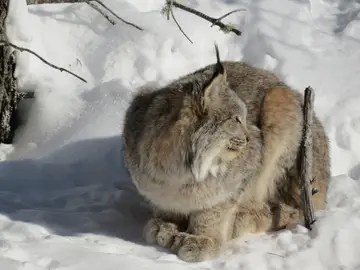
Canada Lynx
Photo: Norma Malinowski · CC BY 4.0 · iNaturalist

Canada Lynx

Lynx canadensis

Conservation
Minnesota special concern species
No confirmed photo of Cinereus Shrew or Masked Shrew

Cinereus Shrew or Masked Shrew

Sorex cinereus

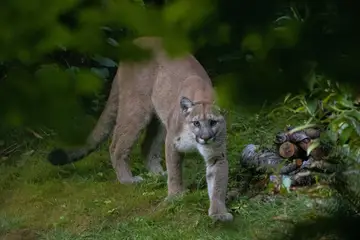
Cougar
Photo: ArgentinaTurismo · CC BY 4.0 · Wikimedia Commons

Cougar

Felis concolor

Danger to people
“Human encounters with cougars are extremely rare.” Minnesota Department of Natural Resources
Size
Total length 5 to 8.5 feet including a 21 to 37.5 inch tail; males 79 to 265 lb, females 64 to 141 lb (Missouri Department of Conservation).
How to recognize it
  • Very large, slender cat with a small head, small rounded ears without tufts and a long, heavy tail.
  • The tail may be one-third of the total length; much larger than a bobcat or lynx.
  • Tracks: 2.75 to 3.75 inches wide, three lobes at the bottom of the heel pad, claw marks usually absent.
Conservation
Minnesota special concern species

Full Cougar guide

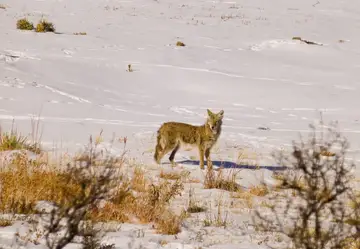
Coyote
Photo: Gaurav Vaidya from Chapel Hill, USA · CC BY 2.0 · Wikimedia Commons

Coyote

Canis latrans

Size
About 3.5 to 4 feet long including the tail and roughly 2 feet tall at the shoulder; weight varies by region: Arizona 20 to 30 lb, Florida average about 28 lb, Georgia 25 to 45 lb
How to recognize it
  • Large pointed ears, long narrow nose, bushy black-tipped tail
  • Like a slender medium-sized dog, much smaller than a wolf
  • Paw track about 2 inches long (Florida)
84 records by month.

Full Coyote guide

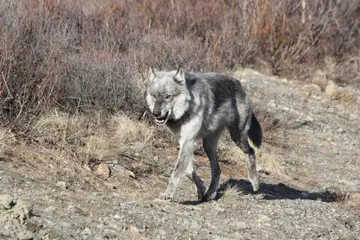
Eastern Gray (Timber) Wolf
Photo: Robbie Hannawacker · CC0 1.0 · iNaturalist

Eastern Gray (Timber) Wolf

Canis lupus

Size
Adults about 40 to 175 pounds depending on sex and region; on average about five to six feet long (Isle Royale), up to 6 feet including the tail (Washington), and 26 to 34 inches at the shoulder. Twice the size of a coyote.
How to recognize it
  • Longer legs, larger feet, wider head and snout, shorter ears, narrow body and straight tail compared with most coyotes and dogs.
  • Tracks about 5 inches long by 4 inches wide, with claws showing.
  • Long, drawn-out howls, audible up to five miles.
54 records by month.

Full Eastern Gray (Timber) Wolf guide

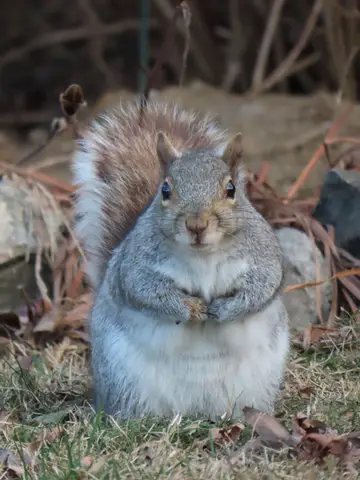
Eastern Gray Squirrel
Photo: Mila C · CC BY 4.0 · iNaturalist

Eastern Gray Squirrel

Sciurus carolinensis

614 records by month.
No confirmed photo of Eastern Mole

Eastern Mole

Scalopus aquaticus

No confirmed photo of Eastern Spotted Skunk

Eastern Spotted Skunk

Spilogale putorius

Conservation
Minnesota threatened
No confirmed photo of Elk

Elk

Cervus elaphaus

Conservation
Minnesota special concern species
No confirmed photo of Evening Bat

Evening Bat

Nycticeius humeralis

No confirmed photo of Franklin’s Ground Squirrel

Franklin’s Ground Squirrel

Poliocitellus franklinii

No confirmed photo of Heather Vole

Heather Vole

Phenacomys ungava

Conservation
Minnesota special concern species
No confirmed photo of Least Chipmunk

Least Chipmunk

Neotamias minimus

No confirmed photo of Least Weasel

Least Weasel

Mustela nivalis

Conservation
Minnesota special concern species
No confirmed photo of Little Brown Bat

Little Brown Bat

Myotis lucifugus

Conservation
Minnesota special concern species
No confirmed photo of Meadow Jumping Mouse

Meadow Jumping Mouse

Zapus hudsonicus

No confirmed photo of Meadow Vole

Meadow Vole

Microtus pennsylvanicus

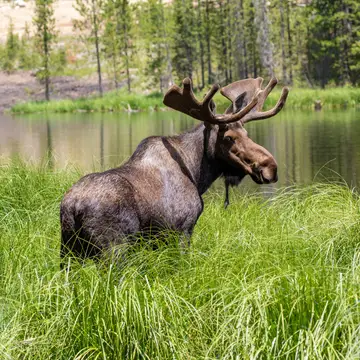
Moose
Photo: Dan Vickers · CC BY 4.0 · iNaturalist

Moose

Alces americanus

Conservation
Minnesota special concern species
No confirmed photo of North American Deermouse

North American Deermouse

Peromyscus manticulatus

No confirmed photo of North American Least Shrew

North American Least Shrew

Cryptotis parva

Conservation
Minnesota special concern species
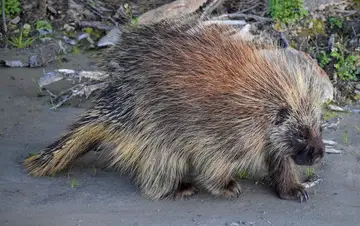
North American Porcupine
Photo: The Cosmonaut · CC BY-SA 2.5 ca · Wikimedia Commons · resized

North American Porcupine

Erethizon dorsatum

Size
Adults about 30 inches including a 6- to 10-inch tail, 9 to 15 pounds, older adults up to 20 pounds (Pennsylvania). Massachusetts: 25-31 inches, averaging 12 pounds in early spring to 20 in fall. Minnesota: 24 to 40 inches, 18 to 35 pounds.
How to recognize it
  • Coat of quills; up to 30,000
  • Only North American mammal with coat hairs modified as quills
  • Short legs, long claws, high-arching back
56 records by month.

Full North American Porcupine guide

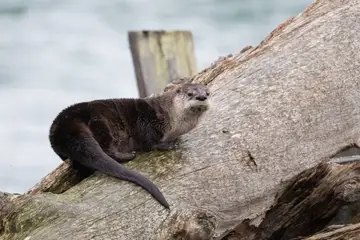
North American River Otter
Photo: Adam Jackson · CC0 1.0 · iNaturalist

North American River Otter

Lontra canadensis

97 records by month.
No confirmed photo of Northern Bog Lemming

Northern Bog Lemming

Synaptomys borealis

Conservation
Minnesota special concern species
No confirmed photo of Northern Flying Squirrel

Northern Flying Squirrel

Glaucomys sabrinus

No confirmed photo of Northern Grasshopper Mouse

Northern Grasshopper Mouse

Onchomys leucogaster

Conservation
Minnesota special concern species
No confirmed photo of Northern Long-eared Bat

Northern Long-eared Bat

Myotis septentrionalis

Conservation
Minnesota special concern species
No confirmed photo of Northern Pocket Gopher

Northern Pocket Gopher

Thomomys talpoides

Conservation
Minnesota threatened
No confirmed photo of Northern Short-tailed Shrew

Northern Short-tailed Shrew

Blarina brevicauda

No confirmed photo of Plains Pocket Gopher

Plains Pocket Gopher

Geomys bursarius

No confirmed photo of Plains Pocket Mouse

Plains Pocket Mouse

Perognathus flavescens

Conservation
Minnesota special concern species
No confirmed photo of Prairie Shrew

Prairie Shrew

Sorex haydeni

No confirmed photo of Prairie Vole

Prairie Vole

Microtus ochrogaster

Conservation
Minnesota special concern species
No confirmed photo of Pygmy Shrew

Pygmy Shrew

Sorex hoyi

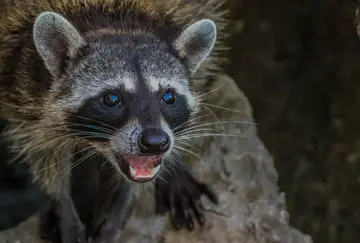
Raccoon
Photo: Marco Antonino Ramos Rodríguez · CC BY-SA 4.0 · Wikimedia Commons · resized

Raccoon

Procyon lotor

143 records by month.
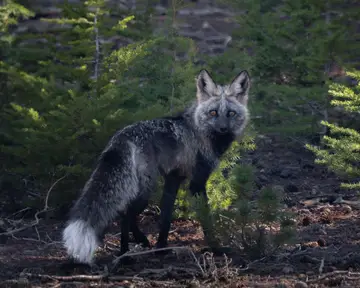
Red Fox
Photo: David Willingham · CC BY 4.0 · iNaturalist

Red Fox

Vulpes vulpes

53 records by month.
No confirmed photo of Richardson’s Ground Squirrel

Richardson’s Ground Squirrel

Urocitellus richardsonii

Conservation
Minnesota special concern species
No confirmed photo of Rock Vole

Rock Vole

Microtus chrotorrhinus

No confirmed photo of Short-tailed Weasel or Ermine

Short-tailed Weasel or Ermine

Mustela erminea

No confirmed photo of Smoky Shrew

Smoky Shrew

Sorex fumeus

Conservation
Minnesota special concern species
No confirmed photo of Southern Bog Lemming

Southern Bog Lemming

Synaptomys cooperi

No confirmed photo of Southern Flying Squirrel

Southern Flying Squirrel

Glaucomys volans

No confirmed photo of Southern Red-backed Vole

Southern Red-backed Vole

Myodes gapperi

No confirmed photo of Star-nosed Mole

Star-nosed Mole

Condylura cristata

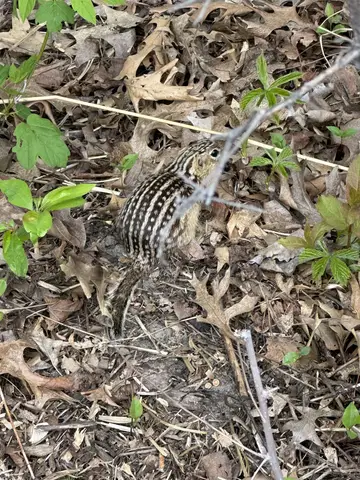
Thirteen-lined Ground Squirrel
Photo: Evan H · CC BY 4.0 · iNaturalist

Thirteen-lined Ground Squirrel

Ictidomys tridecemlineatus

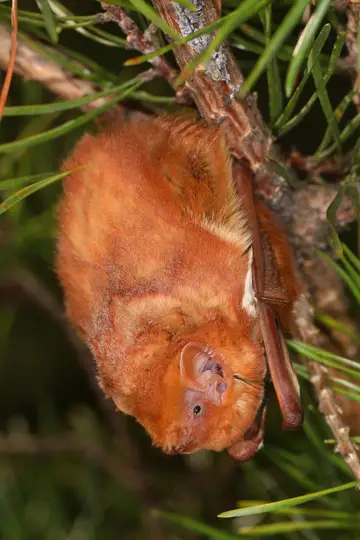
Tricolored Bat
Photo: Felix Zareie-Vaux · CC0 1.0 · iNaturalist

Tricolored Bat

Perimyotis subflavus

Conservation
Minnesota special concern species
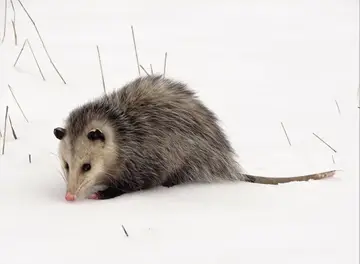
Virginia Opossum
Photo: Shirley Zundell · CC BY 4.0 · iNaturalist

Virginia Opossum

Didelphis virginiana

Size
Weighs 4 to 7 lb and stands 6 to 8 inches high at the shoulder (South Carolina DNR); about the size of a house cat
How to recognize it
  • Long pointed nose, black hairless ears, dark eyes, nearly hairless grasping (prehensile) tail
  • Long scaly tail and a pointed snout ending in a pink nose
  • Opposable thumb-like big toe (hallux) on each hind foot
69 records by month.

Full Virginia Opossum guide

No confirmed photo of Western Harvest Mouse

Western Harvest Mouse

Reithrodontomys megalotis

Conservation
Minnesota special concern species
No confirmed photo of White-footed Deermouse

White-footed Deermouse

Peromyscus leucopus

No confirmed photo of White-tailed Deer

White-tailed Deer

Odocoileus virginianus

743 records by month.
No confirmed photo of Wolverine

Wolverine

Gulo gulo

No confirmed photo of Woodland Caribou

Woodland Caribou

Rangifer tarandus

No confirmed photo of Woodland Jumping Mouse

Woodland Jumping Mouse

Napaeozapus insignis

No confirmed photo of Woodland Vole

Woodland Vole

Microtus pinetorum

Conservation
Minnesota special concern species

Mammals people confuse

Bobcat or Mountain lion (cougar)?

Bobcat
Photo: National Marine Sanctuaries · Public domain · Wikimedia Commons

Bobcat Not stated

Mountain lion (cougar)
Photo: Jeff Bartlett · CC BY 4.0 · iNaturalist

Mountain lion (cougar) Not stated

Cougars are one color (yellow-brown to light cinnamon) with a long tail. The bobcat's tail is short and its coat is spotted. TWRA says cougars are many times larger and longer, with a very long tail.

Bobcat or Canada lynx?

Bobcat
Photo: National Marine Sanctuaries · Public domain · Wikimedia Commons

Bobcat Not stated

Canada lynx
Photo: Norma Malinowski · CC BY 4.0 · iNaturalist

Canada lynx Not stated

A lynx has longer ear tufts and large, fur-covered feet (3.5 to 4.5 inches wide). A bobcat's feet are small and hairless (up to 2.5 inches). A lynx's tail has a black tip and no white underneath; a bobcat's tail is white underneath. Do not use the tail tip alone, because agencies describe the bobcat's tip differently (New Mexico white, Arizona black).

Coyote or Gray wolf?

Coyote
Photo: Gaurav Vaidya from Chapel Hill, USA · CC BY 2.0 · Wikimedia Commons

Coyote Not stated

Gray wolf
Photo: Robbie Hannawacker · CC0 1.0 · iNaturalist

Gray wolf Not stated

NY DEC: gray wolves are much larger (females typically 50-100 lb, males 70-145 lb, 5-6 ft nose to tail, 27-33 in at the shoulder); eastern coyotes rarely exceed 50 lb and generally stand under 2 ft at the shoulder. Wolves have small rounded ears and a short blocky snout; coyotes have larger, more pointed ears (can look rounded in winter coat) and a long, narrow, pointed snout. Coyote tracks are typically 3 x 2 in, wolf tracks about 5 x 4 in. NY DEC says most wolf reports in New York were coyotes, dogs or wolf-dog hybrids.

Photos show typical adults; individuals vary. Never get close to compare.

When mammals are active in Minnesota

Records of mammals in Minnesota peak in March to July and September. They show when people record mammals, not how many there are (about month bars).

4,936 records of mammals in Minnesota by month (GBIF, CC0 and CC BY records).

If you are bitten or stung

Call 911 or Poison Help at 1-800-222-1222 right away. Poison Help connects you to your local poison center, any time of day.

Official advice from Minnesota Department of Natural Resources:

How to report

Invasive insects (emerald ash borer, spongy moth, Asian long-horned beetle, brown marmorated stink bug): Minnesota Department of Agriculture "Report a Pest" line 1-888-545-6684. Invasive vertebrates (mute swans, Eurasian swine/wild pigs): the DNR Invasive Species Program and your local conservation officer or wildlife office. Aquatic invasives: your local DNR invasive species specialist. Cougar sightings: the nearest DNR area wildlife office or conservation officer. General DNR line: 888-646-6367. Minnesota Department of Natural Resources

Common questions

What official sources say

Are there mountain lions (cougars) in Minnesota?

Rarely. Cougars are rarely seen but occasionally appear, mostly transient males from the western Dakotas. In March 2026 a female with three kittens was recorded in St. Louis County, the first confirmed breeding in more than 100 years. Minnesota Department of Natural Resources

“Today, they are rarely seen but occasionally do appear.”

Are there bears in Minnesota?

Yes. The black bear is the only bear species in the state, found mainly in the northern third of Minnesota. Minnesota Department of Natural Resources

“The black bear is the only species of bear in the state.”

About this list

The species list comes from Mammals in Minnesota (Minnesota DNR, complete list PDF) (Minnesota Department of Natural Resources, undated (server last-modified 2018-08-27)).

Venom labels come only from official sources and link to them; "Not stated" never means harmless. How labels work.

Sources

  1. Reptiles / Amphibians of Minnesota. Minnesota Department of Natural Resources. archived copy, captured October 12, 2026; checked November 3, 2026.
  2. Mammals in Minnesota (complete list linked from the DNR Mammals page). Minnesota Department of Natural Resources. undated page; checked November 3, 2026.
  3. Cougars in Minnesota. Minnesota Department of Natural Resources. archived copy, captured October 24, 2026; checked November 3, 2026.
    Quoted passages (3)
    “Human encounters with cougars are extremely rare.”
    “Face the cougar directly, raise your arms to make yourself appear larger and speak loudly and firmly.”
    “Today, they are rarely seen but occasionally do appear.”
  4. Living with bears. Minnesota Department of Natural Resources. archived copy, captured October 10, 2026; checked November 3, 2026.
    Quoted passages (2)
    “Black bears, by nature, are wary of people and not normally aggressive. They are, however, large, powerful and surprisingly fast-moving animals.”
    “The best way to avoid problems with bears is to not attract them in the first place.”
  5. Black bear. Minnesota Department of Natural Resources. archived copy, captured October 20, 2026; checked November 3, 2026.
    Quoted passages (1)
    “The black bear is the only species of bear in the state.”
  6. Animals of Concern for Rabies. Minnesota Department of Health. updated October 20, 2022; checked November 3, 2026.
    Quoted passages (1)
    “Species of concern for rabies:”
  7. How do I report an invasive terrestrial animal? Minnesota Department of Natural Resources. archived copy, captured April 14, 2026; checked November 3, 2026.
    Quoted passages (1)
    “Report new locations to Minnesota Department of Agriculture or call the ‘Report a Pest’ phone number: 1-888-545-6684.”
  8. GBIF.org occurrence records, human observations licensed CC0 1.0 or CC BY 4.0 only, accessed November 3, 2026. The datasets behind these counts are listed on our Sources page.