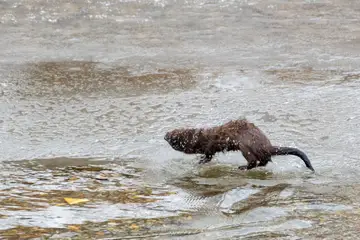
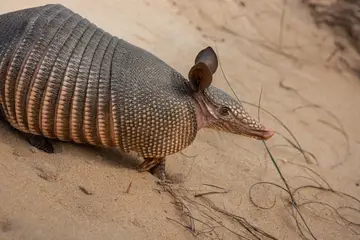
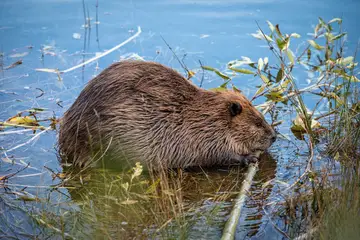
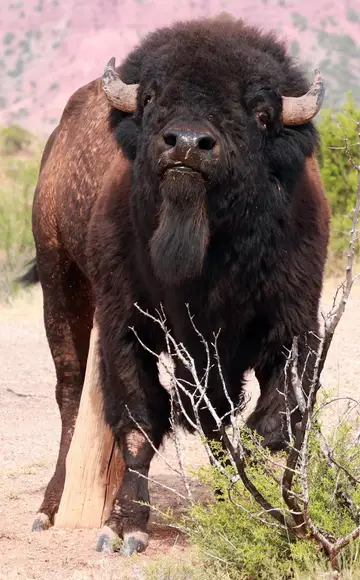
Outdoor Alabama: Alabama is home to 62 native mammals, including 22 species of rodents, 16 species of bats, 11 species of carnivores, six species of insectivores, four species of rabbits, one ungulate, one opossum and one armadillo.
This page lists 78 mammals.
Official accounts call 1 of them mildly venomous. 6 are nonnative. Outdoor Alabama gives a total of 62; the 78 here are the mammals official sources name one by one.
Which mammals can hurt you
Official sources single out these mammals in Alabama, in their own words:
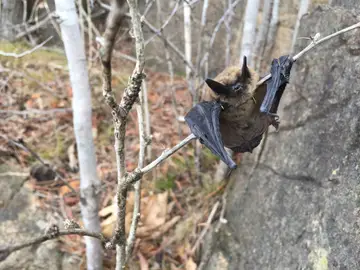
Big Brown Bat
Rabies. “Big brown bats can and do contract and transmit rabies.” Outdoor Alabama
Pathogens. “Roof rats (or their ectoparasites) are able to carry a number of pathogens, of which bubonic plague (via the rat flea), typhus, Weil's disease, toxoplasmosis, and trichinosis are the best known.” Outdoor Alabama
Their range includes all or part of Virginia, North Carolina, South Carolina, Georgia, Florida, Alabama, Mississippi, Tennessee, Kentucky, Illinois, Arkansas, Louisiana … Outdoor Alabama
What the sources say
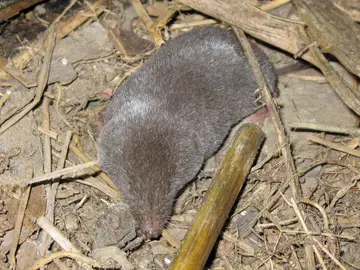
Venom: “The saliva of short-tailed shrews contains mild venom which has the ability to paralyze their prey.” (Outdoor Alabama)
Range: Their range includes all or part of Virginia, North Carolina, South Carolina, Georgia, Florida, Alabama, Mississippi, Tennessee, Kentucky, Illinois, Arkansas, Louisiana, and Texas.
Habitat: Southern short-tailed shrews inhabit a wide variety of terrestrial habitats, but are most commonly found in moist, well drained, hardwood forests or in pine stands where deep organic matter makes burrowing for food and shelter relatively easy. (Outdoor Alabama)
No confirmed photo of Alabama Beach Mouse
Alabama Beach Mouse
Peromyscus polionotus ammobates
Where in Alabama
Historic distribution was along the coastal dunes of Baldwin County, Alabama, from the western tip of Fort Morgan Peninsula eastward to the Perdido Bay inlet, including … Outdoor Alabama
Range: Historic distribution was along the coastal dunes of Baldwin County, Alabama, from the western tip of Fort Morgan Peninsula eastward to the Perdido Bay inlet, including Ono Island. The type locality was a sand bar immediately west of Perdido Key inlet (Alabama Point, Bowen 1968).
Habitat: Typically includes primary, secondary, and scrub dunes of the coastal strand community (Bowen 1968, Rave and Holler 1992). (Outdoor Alabama)
No confirmed photo of Allegheny Woodrat
Allegheny Woodrat
Neotoma magister
Where in Alabama
Historically found as far north as New York and New Jersey and extended southward to northern Alabama … Outdoor Alabama
Range: Historically found as far north as New York and New Jersey and extended southward to northern Alabama. In Alabama, found north of the Tennessee River and restricted to rock-dominated habitats in northeastern and north-central portions of the state.
Habitat: Generally restricted to rocky habitats. (Outdoor Alabama)
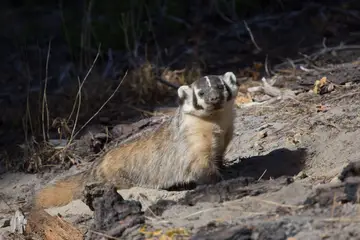
Habitat: In western North America, grasslands, desert scrub, sagebrush shrublands, and open woodlands are favored, but open areas with a variety of habitats are occupied. (Outdoor Alabama)
They are common residents in many parts of Alabama, ranging throughout every river system in the state and common along the delta region of south Alabama. Outdoor Alabama
Conservation
Low Conservation Concern
What the sources say
Habitat: Semi-aquatic in nature; minks are seldom found far from a water source. (Outdoor Alabama)
No confirmed photo of American Pygmy Shrew
American Pygmy Shrew
Sorex hoyi
Where in Alabama
They are also found in the New England area of the United States and southward through the Appalachians to southern Tennessee, northwest Georgia and extreme northeast … Outdoor Alabama
Conservation
HIGH CONSERVATION CONCERN; Protected: Alabama Reg. 220-2-.92
What the sources say
Range: They are also found in the New England area of the United States and southward through the Appalachians to southern Tennessee, northwest Georgia and extreme northeast Alabama. In Alabama, Sorex hoyi is known only from five individuals captured in and around the James D.
Habitat: Sorex hoyi occurs in virtually the entire spectrum of forest communities, seral stages, moisture regimes and elevations throughout the Southeast. (Outdoor Alabama)
No confirmed photo of Appalachian Cottontail
Appalachian Cottontail
Sylvilagus obscurus
Where in Alabama
Discontinuous, but extending west of the Hudson River southward through the Appalachian Mountains and associated plateau and hill country to northern Alabama and Georgia … Outdoor Alabama
Conservation
HIGH CONSERVATION CONCERN; Protected: Alabama Reg. 220-2-.92
What the sources say
Range: Discontinuous, but extending west of the Hudson River southward through the Appalachian Mountains and associated plateau and hill country to northern Alabama and Georgia (Chapman et al. [...] In Alabama, Howell (1921) reported the species from “Erin and Dean at the foot of the Talladega Mountains in Clay County, and Ardell, in the rough hill country along the Sipsey Fork, Cullman County.” Those early collections were made in 1912 and 1914, respectively.
Habitat: Closely associated with a dense cover of conifers and ericaceous vegetation such as mountain laurel, rhododendron, and blueberry. (Outdoor Alabama)
In Alabama, beavers can be found in all 67 counties. Outdoor Alabama
Conservation
Lowest Conservation Concern
JFMAMJJASOND
108 records by month.What the sources say
Habitat: Thebeaver is an aquatic mammal that can be found on any wet habitat that will provide adequate food sources and allow it the opportunity to create an environment by building dams. (Outdoor Alabama)
No confirmed photo of Big Brown Bat
Big Brown Bat
Eptesicus fuscus
Danger to people
“Big brown bats can and do contract and transmit rabies.” Outdoor Alabama
Where in Alabama
Found statewide and common. [...] Big brown bats are commonthroughout Alabama. Outdoor Alabama
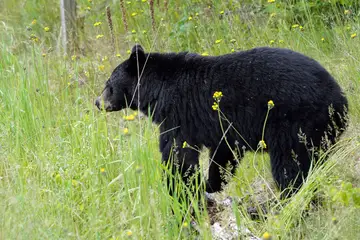
Smokies: males average about 6 ft long, 3 ft at the shoulder and 250 lb in summer; females usually just over 100 lb. Missouri: 46 to 78 inches long, 86 to 600 lb.
How to recognize it
Straight facial profile, rounded erect ears, very short tail
Short curved claws for climbing
Where in Alabama
Black bears in Alabama are primarily limited to Baldwin, Mobile, and Washington counties … Outdoor Alabama
What the sources say
Range: Black bears in Alabama are primarily limited to Baldwin, Mobile, and Washington counties. Reports of bears have been confirmed in several northeast counties but are suspected of being transient bears from other southeastern states.
Habitat: Black bears inhabit mixed hardwood/pine forested areas that support dense undergrowth/thickets that provide food and cover. (Outdoor Alabama)
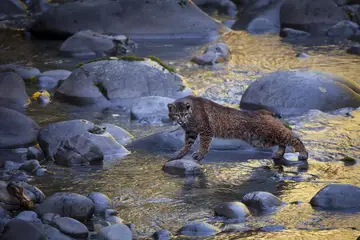
Total length 18 to 50 inches, tail 3 to 8 inches, weight 8 to 49 pounds (Missouri). About twice the size of a house cat.
How to recognize it
Short 'bobbed' tail, 4 to 8 inches, with a black tip and white underneath (Arizona). New Mexico instead describes black bars on top, white underneath and a white tip.
Pointed ears with tufts at the tips, often with cheek tufts
Backs of the ears are black with a light central spot
Where in Alabama
Felis rufus is common in Alabama and throughout the United States. Outdoor Alabama
Conservation
Lowest Conservation Concern
What the sources say
Habitat: Bobcats can be found inhabiting a variety of habitats such as heavily wooded uplands, bottomland forest, brushy areas, swamps and semi-open farmland but prefer rocky outcrops and canyons. (Outdoor Alabama)
In Alabama and the southeastern United States, a bat primarily of the Coastal Plain and Piedmont. [...] Has been documented throughout the lower two-thirds of Alabama; a … Outdoor Alabama
Conservation
HIGH CONSERVATION CONCERN; Protected: Alabama Reg. 220-2-.92
What the sources say
Range: In Alabama and the southeastern United States, a bat primarily of the Coastal Plain and Piedmont. [...] Has been documented throughout the lower two-thirds of Alabama; a record from Jackson County is considered outside the normal distribution (Holliman 1963).
Habitat: Uses a variety of natural and artificial roost sites. (Outdoor Alabama)
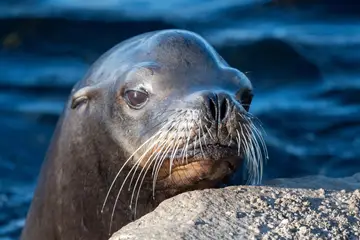
Known from a single observation at Sand Point Light, Mobile Bay, prior to 1984. Outdoor Alabama
Conservation
Accidental
What the sources say
Habitat: California sea lions are found from Vancouver Island, British Columbia to the southern tip of Baja in Mexico. (Outdoor Alabama)
No confirmed photo of Cotton Deermouse
Cotton Deermouse
Peromyscus gossypinus
Conservation
Lowest Conservation Concern
What the sources say
Habitat: Found in dense underbrush, bottomland hardwood forests, and a variety of other habitats, including old fields, upland forests, hammocks, and swamps. (Outdoor Alabama)
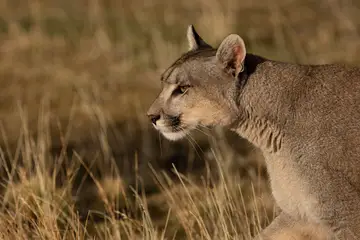
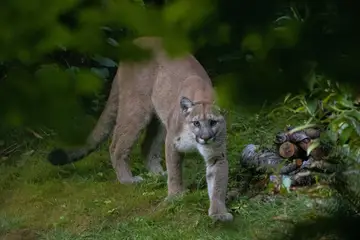
Total length 5 to 8.5 feet including a 21 to 37.5 inch tail; males 79 to 265 lb, females 64 to 141 lb (Missouri Department of Conservation).
How to recognize it
Very large, slender cat with a small head, small rounded ears without tufts and a long, heavy tail.
The tail may be one-third of the total length; much larger than a bobcat or lynx.
Tracks: 2.75 to 3.75 inches wide, three lobes at the bottom of the heel pad, claw marks usually absent.
Where in Alabama
In Alabama, cougars were found statewide historically (Hall 1981) … Outdoor Alabama
Conservation
Extirpated
What the sources say
Range: In Alabama, cougars were found statewide historically (Hall 1981). At present, reports of sightings in Alabama are relatively common, but these probably are released captives or cases of mistaken identity.
Habitat: Primarily rough, rocky, upland woods, large tracts of bottomland forest and swamps, and remote mountainous regions that aid in avoiding humans. (Outdoor Alabama)
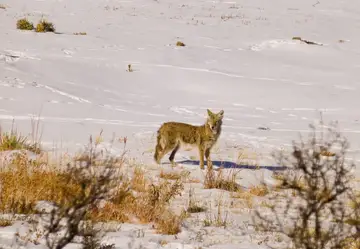
About 3.5 to 4 feet long including the tail and roughly 2 feet tall at the shoulder; weight varies by region: Arizona 20 to 30 lb, Florida average about 28 lb, Georgia 25 to 45 lb
How to recognize it
Large pointed ears, long narrow nose, bushy black-tipped tail
Like a slender medium-sized dog, much smaller than a wolf
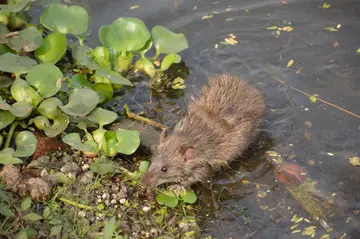
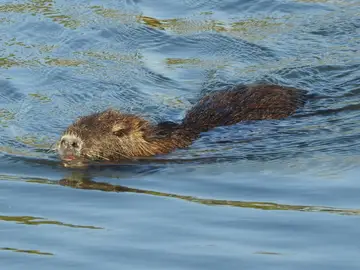
Body 47 to 61 cm (about 1.5 to 2 ft) plus a tail of about 37 to 41 cm (USGS). Males reach about 20 lb and females 18 lb (USGS). CDFW: up to 2.5 ft body length, 12 to 18 inch tail, 20+ lb.
How to recognize it
White whiskers and a large, round, sparsely haired tail.
Large dark-orange front teeth (incisors).
Hind feet webbed on four of five toes.
Where in Alabama
Historical records indicate that they were introduced into the Mobile Delta marshes of Alabama in September, 1948. [...] Nutria in Alabama can be found from the Mobile … Outdoor Alabama
Conservation
Exotic
What the sources say
Range: Historical records indicate that they were introduced into the Mobile Delta marshes of Alabama in September, 1948. [...] Nutria in Alabama can be found from the Mobile Delta throughout much of the Alabama and Tombigbee Waterways.
Habitat: Similar to beavers including coastal swamps, brackish marshes, rivers, streams, back waters and ponds. (Outdoor Alabama)
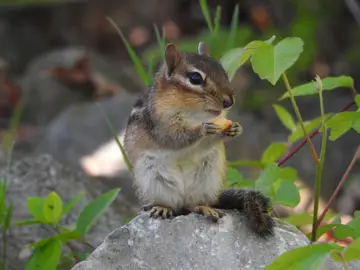
Found statewide, except for extreme southwestern and southeastern regions. Outdoor Alabama
Conservation
Lowest Conservation Concern
What the sources say
Habitat: The ideal habitat for the eastern chipmunk is an open hardwood or mixed pine hardwood forest, edge habitat, ravines, deciduous growth along streams, or forested areas that are rocky. (Outdoor Alabama)
No confirmed photo of Eastern Cottontail
Eastern Cottontail
Sylviagus floridanus
Where in Alabama
They are Alabama’s most abundant rabbit and found throughout the state. Outdoor Alabama
Conservation
Lowest Conservation Concern
What the sources say
Habitat: The cottontail rabbit is almost entirely vegetarian and is therefore associated with early growth habitats such as fields and fencerows that provide the necessary food and cover. (Outdoor Alabama)
No confirmed photo of Eastern Harvest Mouse
Eastern Harvest Mouse
Reithrodontomys humulis
Where in Alabama
Once common in old fields containing dense stands of weeds and grasses, but may be declining in Alabama. Outdoor Alabama
No confirmed photo of Eastern Mole
Eastern Mole
Scalopus aquaticus
Where in Alabama
Found statewide and common in a variety of habitats. Outdoor Alabama
Conservation
Low Conservation Concern
What the sources say
Habitat: Eastern moles prefer meadows, pastures, fields, and open woodlands. (Outdoor Alabama)
Habitat: Eastern small-footed myotis hibernates in caves, mines, rock shelters, or cliff fissures. (Outdoor Alabama)
No confirmed photo of Eastern Spotted Skunk
Eastern Spotted Skunk
Spilogale putorius
Where in Alabama
Localized populations occur along the Gulf Coast of northern Mexico eastward to southern Florida. [...] In Alabama, historical records indicate that this species is … Outdoor Alabama
Conservation
HIGH CONSERVATION CONCERN; Protected: Alabama Reg. 220-2-.92
What the sources say
Range: Localized populations occur along the Gulf Coast of northern Mexico eastward to southern Florida. [...] In Alabama, historical records indicate that this species is statewide in distribution.
Habitat: Spotted skunks are found in a variety of habitat types. (Outdoor Alabama)
No confirmed photo of Eastern Woodrat
Eastern Woodrat
Neotoma floridana
Where in Alabama
The eastern wood rat is found in southern Illinois, Indiana, Ohio, and New York, south through the Allegheny Mountains to Louisiana, Alabama, Georgia, and Central … Outdoor Alabama
What the sources say
Range: The eastern wood rat is found in southern Illinois, Indiana, Ohio, and New York, south through the Allegheny Mountains to Louisiana, Alabama, Georgia, and Central Florida. [...] In Alabama found south of Tennessee River.
Habitat: Eastern wood rats inhabit rocky cliffs, fissures, or tumbled boulders on the sides of mountains. (Outdoor Alabama)
No confirmed photo of Elk
Elk
Cervus elaphus
Where in Alabama
C. e. canadensis’ historic range included portions of Alabama. Elk have not naturally occurred in Alabama since the early 1800s. Outdoor Alabama
Conservation
Extirpated
What the sources say
Habitat: Western populations of elk are migratory and utilize vastly different habitats at different times of the year. (Outdoor Alabama)
No confirmed photo of Evening Bat
Evening Bat
Nycticeius humeralis
Danger to people
“As with most wild mammals, the evening bat can and does contract and transmit rabies.” Outdoor Alabama
Where in Alabama
In Alabama they are found statewide and are considered common. Outdoor Alabama
Conservation
Lowest Conservation Concern
What the sources say
Habitat: Evening bats are considered deciduous forest bats, but may also be found in urban areas with appropriate habitat. (Outdoor Alabama)
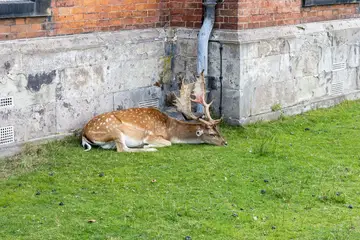
The first documented attempt to establish a wild population of fallow deer in Alabama occurred in 1925 in the WilliamB.BankheadNational Forest in Winston and … Outdoor Alabama
Conservation
Exotic
What the sources say
Range: The first documented attempt to establish a wild population of fallow deer in Alabama occurred in 1925 in the WilliamB.BankheadNational Forest in Winston and LawrenceCounties. [...] A wild population was established in the Miller’s Ferry area in WilcoxCounty.
Habitat: Fallow deer can be found in a variety of habitats, but they have a preference for deciduous and mixed forests, interspersed with open, grassy areas. (Outdoor Alabama)
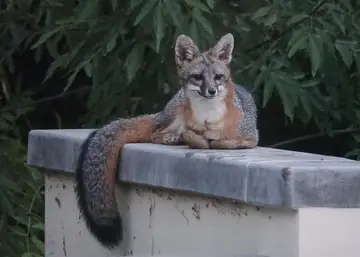
Habitat: They are very diverse in their habitat selection, including forests, swamps, scrublands and brushlands, but generally are found around some type of brush, vines, and trees. (Outdoor Alabama)
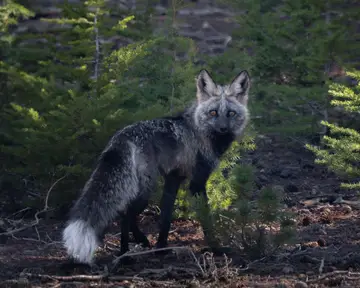
They are found throughout the entire state of Alabama. Outdoor Alabama
Conservation
Lowest Conservation Concern
What the sources say
Habitat: Preferred gray fox habitat includes thick brush, wooded lowlands and swamps. (Outdoor Alabama)
No confirmed photo of Gray Myotis
Gray Myotis
Myotis grisescens
Where in Alabama
There are two population centers: one in northeastern Oklahoma, southern Missouri, and northern Arkansas, and the other in Tennessee and adjacent Kentucky and Alabama … Outdoor Alabama
Range: There are two population centers: one in northeastern Oklahoma, southern Missouri, and northern Arkansas, and the other in Tennessee and adjacent Kentucky and Alabama. Common near the Tennessee River in northern Alabama and there are small populations in the central and southern parts of the state (Decher and Choate 1995).
Habitat: With few exceptions, a cave-roosting species. (Outdoor Alabama)
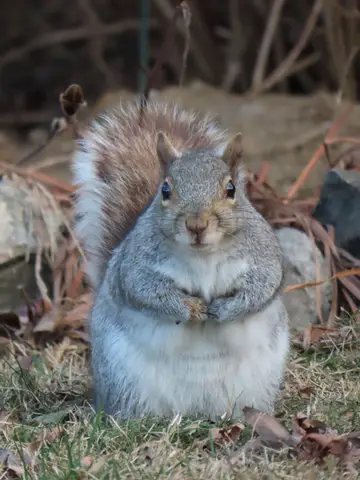
The eastern gray squirrel ranges from the Gulf of America to the Great Lakes and parts of Canada and from the East Coast to just west of the Mississippi River. Outdoor Alabama
Conservation
Lowest Conservation Concern
JFMAMJJASOND
217 records by month.What the sources say
Habitat: The eastern gray squirrel can be found anywhere they can find suitable food, water, and cover. (Outdoor Alabama)
No confirmed photo of Hispid Cotton Rat
Hispid Cotton Rat
Sigmodon hispidus
Where in Alabama
The hispid cotton rat occurs over most of the southern United States, from the southeastern tip of California, southern Arizona and New Mexico, north to eastern … Outdoor Alabama
Conservation
Lowest Conservation Concern
What the sources say
Range: The hispid cotton rat occurs over most of the southern United States, from the southeastern tip of California, southern Arizona and New Mexico, north to eastern Colorado, eastward through the southern portions of Kansas and Missouri, through Tennessee and North Carolina, and southward along the Atlantic coast through Florida, the Gulf states, and up the Rio Grande valley.
Habitat: Cotton rats inhabit dense cover such as thickets, grassy fields, overgrown roadsides, fencerow vegetation adjacent to croplands, meadows, marshland, and weedy ditch banks. (Outdoor Alabama)
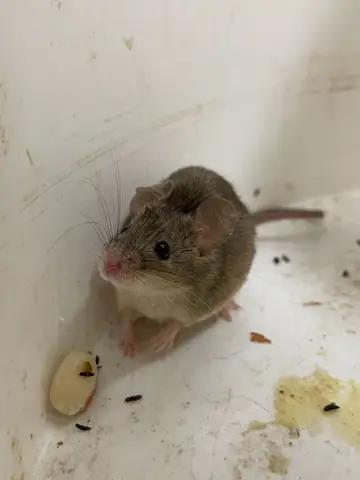
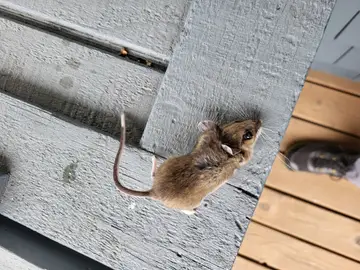
“In areas that they thieve in, house mice will leave large amount of dropping which can be dangerous to humans.” Outdoor Alabama
Where in Alabama
Today the house mouse is found throughout Alabama and the US. Outdoor Alabama
Conservation
Exotic
What the sources say
Habitat: House mice are most often associated with humans in a variety of habitat type such as homes, warehouses, restaurants, factories, barns, and granaries. (Outdoor Alabama)
No confirmed photo of Indiana Myotis
Indiana Myotis
Myotis sodalis
Where in Alabama
Over much of the midwestern and eastern United States, and extending from Vermont and New Hampshire, southward to Tennessee and northern Alabama; centered in the Ohio … Outdoor Alabama
Range: Over much of the midwestern and eastern United States, and extending from Vermont and New Hampshire, southward to Tennessee and northern Alabama; centered in the Ohio River Valley states (Jordon 1986, USFWS 1983, 1999). [...] In Alabama, recently found only in the northern one-third of the state.
Habitat: Complete summer habitat needs are not well understood. (Outdoor Alabama)
No confirmed photo of Jaguarundi
Jaguarundi
Herpailurus yagouaroundi
Where in Alabama
There have been sightings in Florida which are thought to have been introduced populations as well as a few unconfirmed sightings in southern Alabama. Outdoor Alabama
Conservation
Accidental
What the sources say
Habitat: This cat inhabits thickets that are nearly impenetrable to man or dogs. (Outdoor Alabama)
No confirmed photo of Little Brown Myotis
Little Brown Myotis
Myotis lucifugus
Where in Alabama
Common in the northern part of its distribution, but uncommon throughout the southern portion, including Alabama (Choate et al. Outdoor Alabama
Habitat: Colonies may be in tree cavities, underneath rocks, in piles of wood, in crevices, occasionally in caves, and in a variety of human-made structures. (Outdoor Alabama)
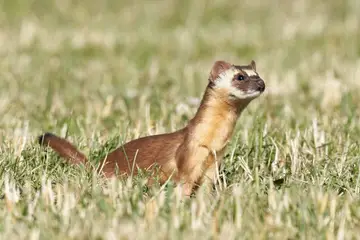
Although the long-tailed weasel is found throughout the United States, it is absent in southeast California, most of Arizona, and the coastal regions of Louisiana … Outdoor Alabama
Conservation
HIGH CONSERVATION CONCERN; Protected: Alabama Reg. 220-2-.92
What the sources say
Range: Although the long-tailed weasel is found throughout the United States, it is absent in southeast California, most of Arizona, and the coastal regions of Louisiana, Mississippi, Alabama and Florida.
Habitat: The long-tailed weasel can be found in a variety of habitat types. (Outdoor Alabama)
Found from the coastal plains of southeastern Virginia through Florida to south Alabama … Outdoor Alabama
Conservation
HIGH CONSERVATION CONCERN; Protected: Alabama Reg. 220-2-.92
What the sources say
Range: Found from the coastal plains of southeastern Virginia through Florida to south Alabama. In Alabama, they inhabit the southern most counties, including the brackish marsh habitat of the Mobile-Tensaw River Delta in Mobile and Baldwin Counties.
Habitat: Inhabits bottomlands, swamps, marshes, and lake borders. (Outdoor Alabama)
No confirmed photo of Meadow Jumping Mouse
Meadow Jumping Mouse
Zapus hudsonius
Where in Alabama
In the Southeast, known from the Appalachian Mountains, Appalachian Ridge and Valley, Appalachian Plateaus, and Coastal Plain physiographic regions of Kentucky and … Outdoor Alabama
Conservation
HIGH CONSERVATION CONCERN; Protected: Alabama Reg. 220-2-.92
What the sources say
Range: In the Southeast, known from the Appalachian Mountains, Appalachian Ridge and Valley, Appalachian Plateaus, and Coastal Plain physiographic regions of Kentucky and Tennessee. To the east, populations have been reported from lower elevations (less than 914 m [3,000 feet]) in the southern Blue Ridge Mountains of Tennessee, North and South Carolina, and northern Georgia, and the Atlantic slope Piedmont region of North and South Carolina, and central Georgia (Webster et al.
Habitat: Throughout distribution seems to prefer wet meadows, marshes, and open fields, grassy seeps and bogs, and woodland glades, often in proximity to swamps, streams, and ponds (Whitaker and Hamilton 1998). (Outdoor Alabama)
Muskrats can be found from near the Arctic Circle in Canada to the Gulf of America and are found in every state with the exception of Florida. Outdoor Alabama
Conservation
Lowest Conservation Concern
What the sources say
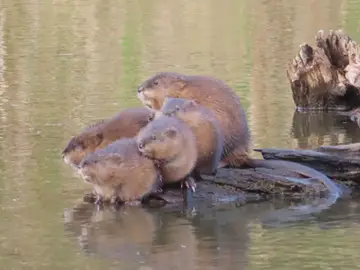
Habitat: Muskrats frequent a large variety of habitats including saline, brackish, and freshwater streams, marshes, ditches, lakes, beaver ponds, mine pits, farm ponds, and other wetland areas. (Outdoor Alabama)
Poorly known in Alabama, but it is abundant and widespread in North America. Outdoor Alabama
Conservation
Lowest Conservation Concern
What the sources say
Habitat: In Alabama, it has been recorded from habitats including hayfields, tree-lined ravines, rocky outcrops, and mixed-pine-hardwood forests. (Outdoor Alabama)
No confirmed photo of North American Least Shrew
North American Least Shrew
Cryptotis parva
Where in Alabama
The least shrew is found throughout the eastern United States south of a line from central New York to central South Dakota, through western Nebraska, eastern Colorado … Outdoor Alabama
What the sources say
Range: The least shrew is found throughout the eastern United States south of a line from central New York to central South Dakota, through western Nebraska, eastern Colorado, and western Kansas, and through Oklahoma and Texas to New Mexico.It is found statewide in Alabama.
Habitat: The least shrew prefers grassy open lands, along edges of openings, and may be also found in open forests and marsh habitats. (Outdoor Alabama)
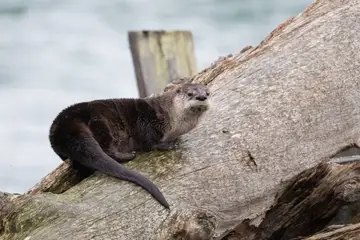
Probably present statewide in association with rivers, creeks, and lakes, especially open water bordered with wooded habitat. Outdoor Alabama
Conservation
Low Conservation Concern
JFMAMJJASOND
30 records by month.What the sources say
Habitat: North American river otters inhabit freshwater waterways such as rivers, streams, lakes, ponds, and swamps or marshes. (Outdoor Alabama)
No confirmed photo of Northern Long-eared Myotis
Northern Long-eared Myotis
Myotis septentrionalis
Where in Alabama
Throughout much of Canada and eastern United States, extending south through Alabama and Georgia and into northern Florida. Distribution in Alabama poorly known. Outdoor Alabama
Conservation
Protected: Alabama Reg. 220-2-.92
What the sources say
Habitat: Strongly associated with forested habitats. (Outdoor Alabama)
No confirmed photo of Northern Short-tailed Shrew
Northern Short-tailed Shrew
Blarina brevicauda
Where in Alabama
Blarina brevicauda is widely distributed from Canada down through the Dakotas to the Gulf Coast of Texas and eastward to the Atlantic Coast. Outdoor Alabama
What the sources say
Habitat: The short-tailed shrew prefers moist forest, but also occurs in brushland, brushy fencerows, weedfields, dense pasturelands, and salt marshes of coastal areas. (Outdoor Alabama)
No confirmed photo of Northern Yellow Bat
Northern Yellow Bat
Lasiurus intermedius
Where in Alabama
Only two records in Alabama. A specimen was collected in Mobile County on 24 March 1969 (Linzey 1969). Outdoor Alabama
Conservation
HIGH CONSERVATION CONCERN; Protected: Alabama Reg. 220-2-.92
Their range includes portions of North Carolina, South Carolina, Tennessee, Florida, Mississippi, most of Georgia, and most of Alabama … Outdoor Alabama
What the sources say
Range: Their range includes portions of North Carolina, South Carolina, Tennessee, Florida, Mississippi, most of Georgia, and most of Alabama. Primarily distributed in sandy-soiled habitats in eastern and southern Alabama, but also occurs in west-central and northwestern parts of state.
Habitat: Oldfield deermice inhabit a variety of diverse terrestrial environments. (Outdoor Alabama)
Historically, distributed along entire length of island (27.4 km [17 mi.]) starting in Alabama at Florida Point and continuing eastward to the Pensacola Bay inlet … Outdoor Alabama
Range: Historically, distributed along entire length of island (27.4 km [17 mi.]) starting in Alabama at Florida Point and continuing eastward to the Pensacola Bay inlet (Holler 1992). [...] Between November 1986 and April 1988, 15 pairs of Perdido Key beach mice were relocated to the Johnson Beach Unit of Gulf Islands National Seashore (Holler et al.
Habitat: Similar to the Alabama beach mouse. (Outdoor Alabama)
No confirmed photo of Prairie Vole
Prairie Vole
Microtus ochrogaster
Where in Alabama
Prairie voles are found in the central portions of the United States from northeastern New Mexico, central Oklahoma and Arkansas, northern Alabama, and western West … Outdoor Alabama
Conservation
Low Conservation Concern
What the sources say
Range: Prairie voles are found in the central portions of the United States from northeastern New Mexico, central Oklahoma and Arkansas, northern Alabama, and western West Virginia, north to the Great Lakes and west to near Edmonton, Alberta.
Habitat: Prairie voles inhabit open prairies, fence rows, rights-of-ways, cemeteries, and other areas with thick grasses, usually in fairly dry places. (Outdoor Alabama)
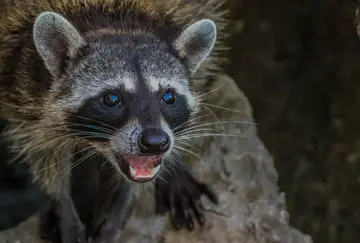
Procyon lotor is a common mammal found throughout Alabama and the United States except for the Rocky Mountains and deserts of the Southwest. Outdoor Alabama
Conservation
Lowest Conservation Concern
JFMAMJJASOND
182 records by month.What the sources say
Habitat: Raccoons inhabit areas such as bottomland hardwoods, swamps, pine/hardwood forest, farmlands, wooded residential areas in cities and towns, and other areas that have a supply of den trees, food and water. (Outdoor Alabama)
No confirmed photo of Rafinesque's Big-eared Bat
Rafinesque's Big-eared Bat
Corynorhinus rafinesquii
Where in Alabama
From central Illinois and Indiana south to the Gulf of America and from eastern Oklahoma and Texas to the Atlantic Ocean … Outdoor Alabama
Range: From central Illinois and Indiana south to the Gulf of America and from eastern Oklahoma and Texas to the Atlantic Ocean. Previous records indicate potentially occurs throughout Alabama (Handley 1959, Hall 1981a, Choate et al.1994, Harvey et al.
Habitat: A variety of forested habitats from tupelo gum-bald cypress swamps near Mobile Bay to pine-deciduous forests of northern Alabama (T. (Outdoor Alabama)
The red wolf was a native to the southeastern United States and ranged from the Atlantic coast to central Texas and from the Gulf Coast to central Missouri and southern … Outdoor Alabama
Conservation
Extirpated
What the sources say
Range: The red wolf was a native to the southeastern United States and ranged from the Atlantic coast to central Texas and from the Gulf Coast to central Missouri and southern Illinois. [...] The red wolf was extirpated from Alabama in the early 1920s.
Habitat: Prefers bottomland river forest and swamps with various stages of succession but will utilized agricultural land and coastal prairie marshes. (Outdoor Alabama)
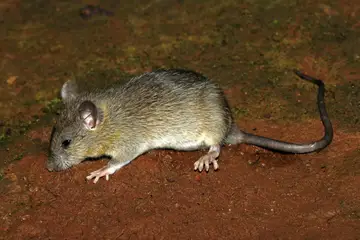
“Roof rats (or their ectoparasites) are able to carry a number of pathogens, of which bubonic plague (via the rat flea), typhus, Weil's disease, toxoplasmosis, and trichinosis are the best known.” Outdoor Alabama
Conservation
Exotic
What the sources say
Habitat: The roof rat is one of the most widespread animal species in the world due to their adaptability to a wide range of habitats. (Outdoor Alabama)
“As with most wild mammals, they can and do contract and transmit rabies.” Outdoor Alabama
Where in Alabama
Silver-haired Bats are rare in Alabama during most of the year, but are relatively common during their mid-spring and autumn migrations … Outdoor Alabama
What the sources say
Range: Silver-haired Bats are rare in Alabama during most of the year, but are relatively common during their mid-spring and autumn migrations. They are most often encountered in Alabama during the extended fall migration which lasts from October through November.
Habitat: Silver-haired bats are considered forest-dwelling bats, and use deciduous, coniferous, and mixed woodlands. (Outdoor Alabama)
No confirmed photo of Smoky Shrew
Smoky Shrew
Sorex fumeus
Conservation
HIGH CONSERVATION CONCERN; Protected: Alabama Reg. 220-2-.92
What the sources say
Habitat: Occupies coniferous and deciduous forests, bogs, swamps, grassy areas, talus slopes, and banks of streams. (Outdoor Alabama)
No confirmed photo of Southeastern Myotis
Southeastern Myotis
Myotis austroriparius
Where in Alabama
Distribution within Alabama poorly known, but appears to be restricted to coastal plain during summer … Outdoor Alabama
Range: Distribution within Alabama poorly known, but appears to be restricted to coastal plain during summer. Have been collected in caves in northern and southern Alabama in winter.
Habitat: Riparian zones and edge habitats. (Outdoor Alabama)
No confirmed photo of Southeastern Pocket Gopher
Southeastern Pocket Gopher
Geomys pinetis
Where in Alabama
Dry, sandy habitats of the southeastern United States, from northern and central Florida northward across southern and central Alabama and Georgia (Pembleton and … Outdoor Alabama
Conservation
HIGH CONSERVATION CONCERN; Protected: Alabama Reg. 220-2-.92
What the sources say
Range: Dry, sandy habitats of the southeastern United States, from northern and central Florida northward across southern and central Alabama and Georgia (Pembleton and Williams 1978). Within Alabama, recorded historically from approximately 16 counties, all located within the upper and lower coastal plain east of Mobile Bay and the Tombigbee and Black Warrior River systems (B.
Habitat: Well-drained, sandy habitats (i.e., sand hills, sand ridges, and upland or xeric hammocks) of the Atlantic and Gulf Coastal Plain characterized by such overstory dominants as longleaf pine, turkey oak, and live oak (Wilkins 1987). (Outdoor Alabama)
No confirmed photo of Southeastern Shrew
Southeastern Shrew
Sorex longirostris
Where in Alabama
Southeastern shrews are found in Southern Maryland and the District of Columbia to Northern Florida, westward through Alabama, Mississippi, Northeastern Louisiana … Outdoor Alabama
What the sources say
Range: Southeastern shrews are found in Southern Maryland and the District of Columbia to Northern Florida, westward through Alabama, Mississippi, Northeastern Louisiana, northward through Arkansas, Tennessee, Missouri, and into parts of Illinois and Western Indiana.
Habitat: Southeastern shrews appear to prefer moist habitats such as river flood plains, river swamps, and freshwater marshes. (Outdoor Alabama)
They are found throughout Alabama, but are more common in north Alabama. Outdoor Alabama
Conservation
Low Conservation Concern
JFMAMJJASOND
30 records by month.What the sources say
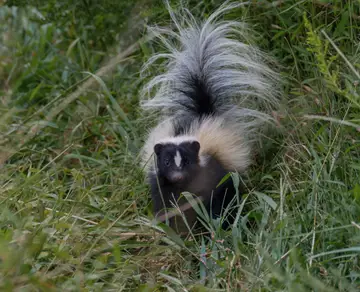
Habitat: The striped skunk lives in a variety of habitats. (Outdoor Alabama)
No confirmed photo of Swamp Rabbit
Swamp Rabbit
Sylvilagus aquaticus
Where in Alabama
Swamp rabbits are found in riparian zones, swamps and marshes in the southeastern United States and occur throughout Alabama. Outdoor Alabama
Conservation
Low Conservation Concern
What the sources say
Habitat: Swamp rabbits can adapt to different habitat types, but prefer woodlands, brush, grasslands, and cultivated lands near or adjacent to a water source. (Outdoor Alabama)
Habitat: Tri-colored bats occupy a wider variety of habitats than perhaps any other bat in Alabama. (Outdoor Alabama)
No confirmed photo of White-footed Deermouse
White-footed Deermouse
Peromyscus leucopus
Conservation
Lowest Conservation Concern
What the sources say
Habitat: White-footed deermice are found in urban areas with adequate cover such as city parks and stream banks that are not overly manicured. (Outdoor Alabama)
No confirmed photo of White-tailed Deer
White-tailed Deer
Odocoileus virginianus
Where in Alabama
Deer were rare in most of Alabama until recent years. [...] After decades of restocking and management efforts, Alabama’s deer population was estimated at 1.75 million … Outdoor Alabama
Conservation
Lowest Conservation Concern
JFMAMJJASOND
299 records by month.What the sources say
Range: Deer were rare in most of Alabama until recent years. [...] After decades of restocking and management efforts, Alabama’s deer population was estimated at 1.75 million animals in 2000.
Habitat: White-tailed deer are highly adaptable to various habitat types, as well as sudden changes in habitat composition. (Outdoor Alabama)
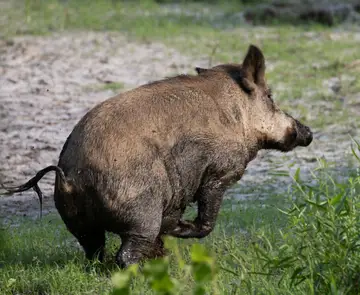
Adults average 75 to 250 pounds, but some get twice as large. They can stand up to 3 feet tall and reach 5 feet long, and males (boars) are larger than females (sows). FWC says Florida wild hogs can weigh more than 150 pounds and be 5 to 6 feet long. Ohio State Extension says Ohio adults typically weigh 125 to 200 pounds.
How to recognize it
Look much like domestic hogs but are generally thinner, with thicker hides of coarse, bristly hair and longer tusks
Four continuously growing tusks, 2 on top and 2 below
Habitat: Feral swine are an adaptable species that utilize a variety of habitat types from bottomland hardwoods forests, marshes, and swamps to agricultural lands. (Outdoor Alabama)
Cougars are one color (yellow-brown to light cinnamon) with a long tail. The bobcat's tail is short and its coat is spotted. TWRA says cougars are many times larger and longer, with a very long tail.
Muskrats have dark whiskers, a nearly triangular (side-flattened) tail and weigh at most 5 pounds. CDFW says most nutria reports it receives are actually muskrats.
Photos show typical adults; individuals vary. Never get close to compare.
When mammals are active in Alabama
Records of mammals in Alabama peak in January to May, October and December. They show when people record mammals, not how many there are (about month bars).
JanFebMarAprMayJunJulAugSepOctNovDec
1,756 records of mammals in Alabama by month (GBIF, CC0 and CC BY records).
If you are bitten or stung
Call 911 or Poison Help at 1-800-222-1222 right away. Poison Help connects you to your local poison center, any time of day.
Official advice from Outdoor Alabama:
Avoid any bat that appears sick or cannot fly Outdoor Alabama
Nuisance wildlife: permitted Nuisance Wildlife Control Operators or the WFF district office; Wildlife Section 334-242-3469. Sea turtle strandings 1-866-732-8878. Dolphin and whale strandings 877-942-5343. Manatee sightings 866-493-5803. Invasive carp [email protected] or (256)-353-2634. Outdoor Alabama
What official sources say
Are there black bears in Alabama?
Yes, but rare. Rare; breeding populations remain north of Mobile and small ones in northeast Alabama. Outdoor Alabama
“Rare. Once found statewide, but now extirpated from most of the state.”
Are there mountain lions in Alabama?
No. The agency lists the cougar as extirpated and says reported sightings are likely misidentifications. Outdoor Alabama
“Although sightings are still commonly reported in Alabama, these are likely misidentifications of domestic dogs and cats, coyotes, and bobcats.”
Are there armadillos in Alabama?
Yes. Counted among the native mammals by the agency. Outdoor Alabama
“Alabama is home to 62 native mammals, including 22 species of rodents, 16 species of bats, 11 species of carnivores, six species of insectivores, four species of rabbits, one ungulate, one opossum and one armadillo.”
About this list
The species list comes from Mammals (Outdoor Alabama) (Alabama Department of Conservation and Natural Resources (Outdoor Alabama), undated page; as of retrieval 2026-11-03). 78 more entries come from other official sources named on each card.
Venom labels come only from official sources and link to them; "Not stated" never means harmless. How labels work.
Watchable Wildlife. Alabama Department of Conservation and Natural Resources (Outdoor Alabama). undated page; checked November 3, 2026.
Mammals. Alabama Department of Conservation and Natural Resources (Outdoor Alabama). undated page; checked November 3, 2026.Quoted passages (1)
“Alabama is home to 62 native mammals, including 22 species of rodents, 16 species of bats, 11 species of carnivores, six species of insectivores, four species of rabbits, one ungulate, one opossum and one armadillo.”
Armadillo. Alabama Department of Conservation and Natural Resources (Outdoor Alabama). undated page; checked November 3, 2026.
Opossum. Alabama Department of Conservation and Natural Resources (Outdoor Alabama). undated page; checked November 3, 2026.Quoted passages (1)
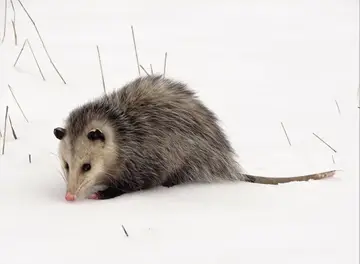
“The opossum has an opposable thumb-like hallux on each rear foot.”
Big Brown Bat. Alabama Department of Conservation and Natural Resources (Outdoor Alabama). undated page; checked November 3, 2026.Quoted passages (1)
“Big brown bats can and do contract and transmit rabies.”
Brazilian Free-tailed Bat. Alabama Department of Conservation and Natural Resources (Outdoor Alabama). undated page; checked November 3, 2026.
Eastern Red Bat. Alabama Department of Conservation and Natural Resources (Outdoor Alabama). undated page; checked November 3, 2026.Quoted passages (1)
“As with most wild mammals, the eastern red bat can and does contract and transmit rabies.”
Eastern Small-footed Myotis. Alabama Department of Conservation and Natural Resources (Outdoor Alabama). undated page; checked November 3, 2026.
Evening Bat. Alabama Department of Conservation and Natural Resources (Outdoor Alabama). undated page; checked November 3, 2026.Quoted passages (1)
“As with most wild mammals, the evening bat can and does contract and transmit rabies.”
Gray Myotis. Alabama Department of Conservation and Natural Resources (Outdoor Alabama). undated page; checked November 3, 2026.
Hoary Bat. Alabama Department of Conservation and Natural Resources (Outdoor Alabama). undated page; checked November 3, 2026.Quoted passages (2)
“As with most wild mammals, hoary bats can and do contract and transmit rabies.”
“…any bat that appears sick or cannot fly should be avoided”
Indiana Myotis. Alabama Department of Conservation and Natural Resources (Outdoor Alabama). undated page; checked November 3, 2026.
Little Brown Myotis. Alabama Department of Conservation and Natural Resources (Outdoor Alabama). undated page; checked November 3, 2026.
Northern Long-eared Myotis. Alabama Department of Conservation and Natural Resources (Outdoor Alabama). undated page; checked November 3, 2026.
Northern Yellow Bat. Alabama Department of Conservation and Natural Resources (Outdoor Alabama). undated page; checked November 3, 2026.
Rafinesque's Big-eared Bat. Alabama Department of Conservation and Natural Resources (Outdoor Alabama). undated page; checked November 3, 2026.
Seminole Bat. Alabama Department of Conservation and Natural Resources (Outdoor Alabama). undated page; checked November 3, 2026.
Silver-haired Bat. Alabama Department of Conservation and Natural Resources (Outdoor Alabama). undated page; checked November 3, 2026.Quoted passages (1)
“As with most wild mammals, they can and do contract and transmit rabies.”
Southeastern Myotis. Alabama Department of Conservation and Natural Resources (Outdoor Alabama). undated page; checked November 3, 2026.
Tri-colored Bat. Alabama Department of Conservation and Natural Resources (Outdoor Alabama). undated page; checked November 3, 2026.Quoted passages (1)
“As with most wild mammals, tri-colored bats can and do contract and transmit rabies.”
American Badger. Alabama Department of Conservation and Natural Resources (Outdoor Alabama). undated page; checked November 3, 2026.
American Mink. Alabama Department of Conservation and Natural Resources (Outdoor Alabama). undated page; checked November 3, 2026.
Black Bear. Alabama Department of Conservation and Natural Resources (Outdoor Alabama). undated page; checked November 3, 2026.Quoted passages (1)
“Rare. Once found statewide, but now extirpated from most of the state.”
Bobcat. Alabama Department of Conservation and Natural Resources (Outdoor Alabama). undated page; checked November 3, 2026.
California Sea Lion. Alabama Department of Conservation and Natural Resources (Outdoor Alabama). undated page; checked November 3, 2026.
Cougar. Alabama Department of Conservation and Natural Resources (Outdoor Alabama). undated page; checked November 3, 2026.Quoted passages (1)
“Although sightings are still commonly reported in Alabama, these are likely misidentifications of domestic dogs and cats, coyotes, and bobcats.”
Coyote. Alabama Department of Conservation and Natural Resources (Outdoor Alabama). undated page; checked November 3, 2026.
Eastern Spotted Skunk. Alabama Department of Conservation and Natural Resources (Outdoor Alabama). undated page; checked November 3, 2026.
Gray Fox. Alabama Department of Conservation and Natural Resources (Outdoor Alabama). undated page; checked November 3, 2026.
Jaguarundi. Alabama Department of Conservation and Natural Resources (Outdoor Alabama). undated page; checked November 3, 2026.
Long-tailed Weasel. Alabama Department of Conservation and Natural Resources (Outdoor Alabama). undated page; checked November 3, 2026.
North American River Otter. Alabama Department of Conservation and Natural Resources (Outdoor Alabama). undated page; checked November 3, 2026.
Raccoon. Alabama Department of Conservation and Natural Resources (Outdoor Alabama). undated page; checked November 3, 2026.
Red Fox. Alabama Department of Conservation and Natural Resources (Outdoor Alabama). undated page; checked November 3, 2026.
Red Wolf. Alabama Department of Conservation and Natural Resources (Outdoor Alabama). undated page; checked November 3, 2026.
Ringtail. Alabama Department of Conservation and Natural Resources (Outdoor Alabama). undated page; checked November 3, 2026.
Striped Skunk. Alabama Department of Conservation and Natural Resources (Outdoor Alabama). undated page; checked November 3, 2026.
American Pygmy Shrew. Alabama Department of Conservation and Natural Resources (Outdoor Alabama). undated page; checked November 3, 2026.
Eastern Mole. Alabama Department of Conservation and Natural Resources (Outdoor Alabama). undated page; checked November 3, 2026.
North American Least Shrew. Alabama Department of Conservation and Natural Resources (Outdoor Alabama). undated page; checked November 3, 2026.
Northern Short-tailed Shrew. Alabama Department of Conservation and Natural Resources (Outdoor Alabama). undated page; checked November 3, 2026.
Smoky Shrew. Alabama Department of Conservation and Natural Resources (Outdoor Alabama). undated page; checked November 3, 2026.
Southeastern Shrew. Alabama Department of Conservation and Natural Resources (Outdoor Alabama). undated page; checked November 3, 2026.
Southern Short-tailed Shrew. Alabama Department of Conservation and Natural Resources (Outdoor Alabama). undated page; checked November 3, 2026.Quoted passages (1)
“The saliva of short-tailed shrews contains mild venom which has the ability to paralyze their prey.”
Appalachian Cottontail. Alabama Department of Conservation and Natural Resources (Outdoor Alabama). undated page; checked November 3, 2026.
Eastern Cottontail. Alabama Department of Conservation and Natural Resources (Outdoor Alabama). undated page; checked November 3, 2026.
Marsh Rabbit. Alabama Department of Conservation and Natural Resources (Outdoor Alabama). undated page; checked November 3, 2026.
Swamp Rabbit. Alabama Department of Conservation and Natural Resources (Outdoor Alabama). undated page; checked November 3, 2026.
Alabama Beach Mouse. Alabama Department of Conservation and Natural Resources (Outdoor Alabama). undated page; checked November 3, 2026.
Allegheny Woodrat. Alabama Department of Conservation and Natural Resources (Outdoor Alabama). undated page; checked November 3, 2026.
Beaver. Alabama Department of Conservation and Natural Resources (Outdoor Alabama). undated page; checked November 3, 2026.
Brown Rat. Alabama Department of Conservation and Natural Resources (Outdoor Alabama). undated page; checked November 3, 2026.
Cotton Deermouse. Alabama Department of Conservation and Natural Resources (Outdoor Alabama). undated page; checked November 3, 2026.
Coypu. Alabama Department of Conservation and Natural Resources (Outdoor Alabama). undated page; checked November 3, 2026.
Eastern Chipmunk. Alabama Department of Conservation and Natural Resources (Outdoor Alabama). undated page; checked November 3, 2026.
Eastern Harvest Mouse. Alabama Department of Conservation and Natural Resources (Outdoor Alabama). undated page; checked November 3, 2026.
Eastern Woodrat. Alabama Department of Conservation and Natural Resources (Outdoor Alabama). undated page; checked November 3, 2026.
Fox Squirrel. Alabama Department of Conservation and Natural Resources (Outdoor Alabama). undated page; checked November 3, 2026.
Golden Mouse. Alabama Department of Conservation and Natural Resources (Outdoor Alabama). undated page; checked November 3, 2026.
Gray Squirrel. Alabama Department of Conservation and Natural Resources (Outdoor Alabama). undated page; checked November 3, 2026.
Hispid Cotton Rat. Alabama Department of Conservation and Natural Resources (Outdoor Alabama). undated page; checked November 3, 2026.
House Mouse. Alabama Department of Conservation and Natural Resources (Outdoor Alabama). undated page; checked November 3, 2026.Quoted passages (1)
“In areas that they thieve in, house mice will leave large amount of dropping which can be dangerous to humans.”
Marsh Oryzomys. Alabama Department of Conservation and Natural Resources (Outdoor Alabama). undated page; checked November 3, 2026.
Meadow Jumping Mouse. Alabama Department of Conservation and Natural Resources (Outdoor Alabama). undated page; checked November 3, 2026.
Muskrat. Alabama Department of Conservation and Natural Resources (Outdoor Alabama). undated page; checked November 3, 2026.
North American Deermouse. Alabama Department of Conservation and Natural Resources (Outdoor Alabama). undated page; checked November 3, 2026.
Oldfield Deermouse. Alabama Department of Conservation and Natural Resources (Outdoor Alabama). undated page; checked November 3, 2026.
Perdido Key Beach Mouse. Alabama Department of Conservation and Natural Resources (Outdoor Alabama). undated page; checked November 3, 2026.
Prairie Vole. Alabama Department of Conservation and Natural Resources (Outdoor Alabama). undated page; checked November 3, 2026.
Roof Rat. Alabama Department of Conservation and Natural Resources (Outdoor Alabama). undated page; checked November 3, 2026.Quoted passages (1)
“Roof rats (or their ectoparasites) are able to carry a number of pathogens, of which bubonic plague (via the rat flea), typhus, Weil's disease, toxoplasmosis, and trichinosis are the best known.”
Southeastern Pocket Gopher. Alabama Department of Conservation and Natural Resources (Outdoor Alabama). undated page; checked November 3, 2026.
Southern Flying Squirrel. Alabama Department of Conservation and Natural Resources (Outdoor Alabama). undated page; checked November 3, 2026.
White-footed Deermouse. Alabama Department of Conservation and Natural Resources (Outdoor Alabama). undated page; checked November 3, 2026.
Woodchuck. Alabama Department of Conservation and Natural Resources (Outdoor Alabama). undated page; checked November 3, 2026.
Woodland Vole. Alabama Department of Conservation and Natural Resources (Outdoor Alabama). undated page; checked November 3, 2026.
Bison. Alabama Department of Conservation and Natural Resources (Outdoor Alabama). undated page; checked November 3, 2026.
Elk. Alabama Department of Conservation and Natural Resources (Outdoor Alabama). undated page; checked November 3, 2026.
Fallow Deer. Alabama Department of Conservation and Natural Resources (Outdoor Alabama). undated page; checked November 3, 2026.
White-tailed Deer. Alabama Department of Conservation and Natural Resources (Outdoor Alabama). undated page; checked November 3, 2026.
Wild Boar. Alabama Department of Conservation and Natural Resources (Outdoor Alabama). undated page; checked November 3, 2026.
Alabama Black Bears. Alabama Department of Conservation and Natural Resources (Outdoor Alabama). undated page; checked November 3, 2026.Quoted passages (1)
“If you see a bear in your area, remain calm and don’t approach the bear.”
Report Aquatic Invasive Species. Alabama Department of Conservation and Natural Resources (Outdoor Alabama). undated page; checked November 3, 2026.Quoted passages (1)
“Reports can be submitted at: [email protected] or by phone at (256)-353-2634.”