On this page Which mammals can hurt you All 70 mammals Lookalikes When they are active If you are bitten or stung How to report What official sources say About this list Sources The Museum, Texas Tech University (co-author C. H. Carter, Mississippi Museum of Natural Science); linked as a download from the MMNS Mammals Collections page: A total of 70 species is included in this checklist.
This page lists 70 mammals : all from The Museum, Texas Tech University (co-author C. H. Carter, Mississippi Museum of Natural Science); linked as a download from the MMNS Mammals Collections page's Annotated Checklist of the Recent Mammals of Mississippi, offered as a download on the MDWFP Museum of Natural Science Mammals Collections page.
7 are nonnative.
Which mammals can hurt you Official sources single out these mammals in Mississippi, in their own words:
Photo: U.S. Fish and Wildlife Service - Midwest Region · Public domain · Wikimedia Commons Bears that are fed and lose fear of humans can become dangerous (attacks). “Bears that no longer have a fear of humans can become extremely dangerous.” MDWFP
Photo: Cullen Hanks · CC BY 4.0 · iNaturalist Health risks and property damage (as MDWFP states it). “The destructive habits and health risks caused by wild hogs have been a growing concern since their introduction.” MDWFP
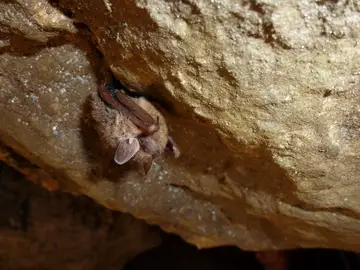
Bats (rabies) Disease. “Less than 0.5% of bats carry rabies, but in the U.S. approximately 1 person dies per year of rabies contracted from a bat” MDWFP
All 70 mammals From A to Z. Do not handle them.
Find by name
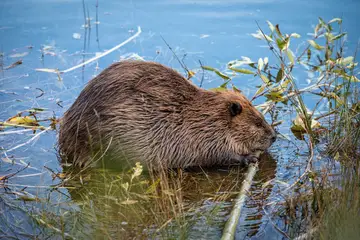
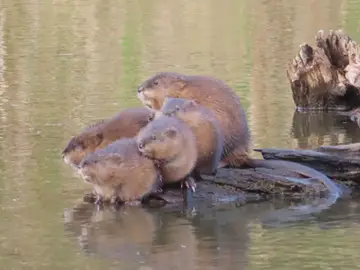
Photo: GrandTetonNPS · Public domain · Wikimedia Commons Beaver Castor canadensis
Where in Mississippi Found over most of state where suitable aquatic habitat prevails. The Museum, Texas Tech University (co-author C. H. Carter, Mississippi Museum of Natural Science); linked as a download from the MMNS Mammals Collections page No confirmed photo of Big brown bat Big brown bat Eptesicus fuscus
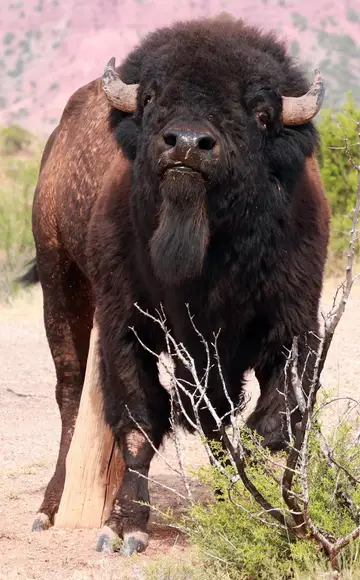
Where in Mississippi Known from throughout state. The Museum, Texas Tech University (co-author C. H. Carter, Mississippi Museum of Natural Science); linked as a download from the MMNS Mammals Collections page Photo: Catherine C. Galley · CC BY 4.0 · iNaturalist Bison Bison bison
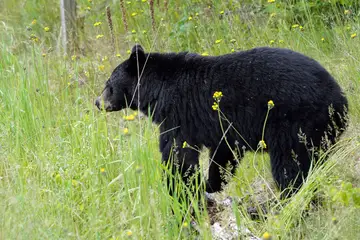
Where in Mississippi Before extirpation, ranged throughout state except in some coastal marshes. The subspecies was B. b. bison (Linnaeus, 1758). The Museum, Texas Tech University (co-author C. H. Carter, Mississippi Museum of Natural Science); linked as a download from the MMNS Mammals Collections page Photo: U.S. Fish and Wildlife Service - Midwest Region · Public domain · Wikimedia Commons Ursus americanus
Danger to people “Bears that no longer have a fear of humans can become extremely dangerous.” MDWFP Size Smokies: males average about 6 ft long, 3 ft at the shoulder and 250 lb in summer; females usually just over 100 lb. Missouri: 46 to 78 inches long, 86 to 600 lb. How to recognize it Straight facial profile, rounded erect ears, very short tail Short curved claws for climbing Where in Mississippi The American black bear (Ursus americanus) is found in the northern one-third of the state, and the Louisiana black bear (Ursus americanus luteolus) occurs in the … MDWFP Conservation MDWFP Threatened & Endangered table: Black Bear (URSUS AMERICANUS): Global Rank G5; State Rank S1; Federal Status (blank); State Status LE Full Black bear guide
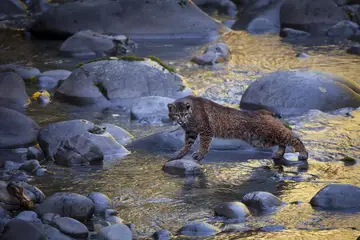
Photo: National Marine Sanctuaries · Public domain · Wikimedia Commons Felis rufus
Size Total length 18 to 50 inches, tail 3 to 8 inches, weight 8 to 49 pounds (Missouri). About twice the size of a house cat. How to recognize it Short 'bobbed' tail, 4 to 8 inches, with a black tip and white underneath (Arizona). New Mexico instead describes black bars on top, white underneath and a white tip. Pointed ears with tufts at the tips, often with cheek tufts Backs of the ears are black with a light central spot Where in Mississippi Reported in all areas of state. The Museum, Texas Tech University (co-author C. H. Carter, Mississippi Museum of Natural Science); linked as a download from the MMNS Mammals Collections page Full Bobcat guide
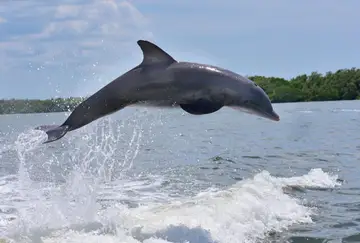
Photo: Dean Hester · CC BY 4.0 · iNaturalist Bottle-nosed dolphin Tursiops truncatus
Where in Mississippi Fairly common along Gulf Coast, especially in Mississippi Sound. The Museum, Texas Tech University (co-author C. H. Carter, Mississippi Museum of Natural Science); linked as a download from the MMNS Mammals Collections page No confirmed photo of Brazilian free-tailed bat Brazilian free-tailed bat Tadarida brasiliensis
Where in Mississippi Known from colonies scattered about state. The Museum, Texas Tech University (co-author C. H. Carter, Mississippi Museum of Natural Science); linked as a download from the MMNS Mammals Collections page No confirmed photo of Cotton mouse Cotton mouse Peromyscus gossypinus
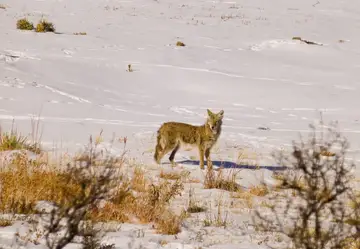
Where in Mississippi Reported from throughout state. The Museum, Texas Tech University (co-author C. H. Carter, Mississippi Museum of Natural Science); linked as a download from the MMNS Mammals Collections page Photo: Gaurav Vaidya from Chapel Hill, USA · CC BY 2.0 · Wikimedia Commons Canis latrans
Size About 3.5 to 4 feet long including the tail and roughly 2 feet tall at the shoulder; weight varies by region: Arizona 20 to 30 lb, Florida average about 28 lb, Georgia 25 to 45 lb How to recognize it Large pointed ears, long narrow nose, bushy black-tipped tail Like a slender medium-sized dog, much smaller than a wolf Paw track about 2 inches long (Florida) Where in Mississippi Recorded from every county of state since first reported (Paradiso, 1966). The Museum, Texas Tech University (co-author C. H. Carter, Mississippi Museum of Natural Science); linked as a download from the MMNS Mammals Collections page
J F M A M J J A S O N D
33 records by month. Full Coyote guide
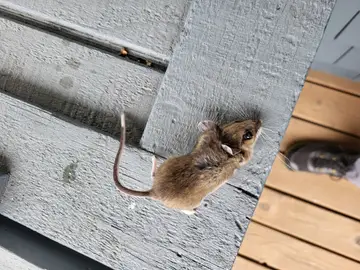
Photo: Charlie Pavlisich · CC BY 4.0 · iNaturalist Deer mouse Peromyscus maniculatus
Where in Mississippi Found only in northwestern corner of state. The Museum, Texas Tech University (co-author C. H. Carter, Mississippi Museum of Natural Science); linked as a download from the MMNS Mammals Collections page Photo: Sawyer Baran · CC BY 4.0 · iNaturalist Domestic cat Felis catus
Nonnative
Where in Mississippi Feral animals occur in various places in state. The Museum, Texas Tech University (co-author C. H. Carter, Mississippi Museum of Natural Science); linked as a download from the MMNS Mammals Collections page No confirmed photo of Domestic dog Domestic dog Canis familiaris
Nonnative
Where in Mississippi Feral animals occur in many parts of state. The Museum, Texas Tech University (co-author C. H. Carter, Mississippi Museum of Natural Science); linked as a download from the MMNS Mammals Collections page No confirmed photo of Dwarf sperm whale Dwarf sperm whale Kogia simus
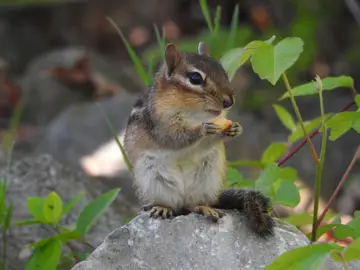
Where in Mississippi Recorded from beach at Biloxi, Mississippi. The Museum, Texas Tech University (co-author C. H. Carter, Mississippi Museum of Natural Science); linked as a download from the MMNS Mammals Collections page Photo: Yann Kemper · CC0 1.0 · iNaturalist Eastern chipmunk Tamias striatus
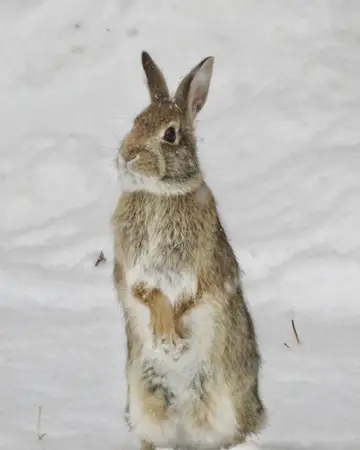
Where in Mississippi Recorded from most of state except southeastern portion. The Museum, Texas Tech University (co-author C. H. Carter, Mississippi Museum of Natural Science); linked as a download from the MMNS Mammals Collections page Photo: Bernie Paquette · CC BY 4.0 · iNaturalist Eastern cottontail Sylvilagus floridanus
Where in Mississippi Occupies entire state, including Horn Island. The Museum, Texas Tech University (co-author C. H. Carter, Mississippi Museum of Natural Science); linked as a download from the MMNS Mammals Collections page No confirmed photo of Eastern flying squirrel Eastern flying squirrel Glaucomys volans
Where in Mississippi Reported from throughout state. The Museum, Texas Tech University (co-author C. H. Carter, Mississippi Museum of Natural Science); linked as a download from the MMNS Mammals Collections page No confirmed photo of Eastern harvest mouse Eastern harvest mouse Reithrodontomys humulis
Where in Mississippi Known from entire state. The Museum, Texas Tech University (co-author C. H. Carter, Mississippi Museum of Natural Science); linked as a download from the MMNS Mammals Collections page No confirmed photo of Eastern mole Eastern mole Scalopus aquaticus
Where in Mississippi Distributed statewide. The Museum, Texas Tech University (co-author C. H. Carter, Mississippi Museum of Natural Science); linked as a download from the MMNS Mammals Collections page Photo: Felix Zareie-Vaux · CC0 1.0 · iNaturalist Eastern pipistrelle Pipistrellus subflavus
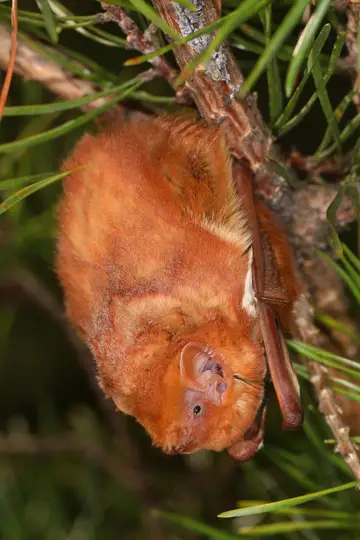
Where in Mississippi Distributed throughout state. The Museum, Texas Tech University (co-author C. H. Carter, Mississippi Museum of Natural Science); linked as a download from the MMNS Mammals Collections page Photo: Judy Gallagher · CC BY-SA 4.0 · iNaturalist · resized Eastern red bat Lasiurus borealis
Where in Mississippi Ranges statewide. The Museum, Texas Tech University (co-author C. H. Carter, Mississippi Museum of Natural Science); linked as a download from the MMNS Mammals Collections page No confirmed photo of Eastern spotted skunk Eastern spotted skunk Spilogale putorius
Where in Mississippi Occurs in southern and eastern parts of state; absent from northwest part adjacent to Arkansas. The Museum, Texas Tech University (co-author C. H. Carter, Mississippi Museum of Natural Science); linked as a download from the MMNS Mammals Collections page No confirmed photo of Eastern woodrat Eastern woodrat Neotoma floridana
Where in Mississippi Reported from entire state. The Museum, Texas Tech University (co-author C. H. Carter, Mississippi Museum of Natural Science); linked as a download from the MMNS Mammals Collections page No confirmed photo of Evening bat Evening bat Nycticeius humeralis
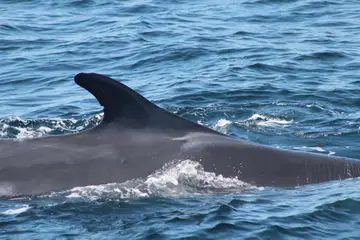
Where in Mississippi Occupies entire state. The Museum, Texas Tech University (co-author C. H. Carter, Mississippi Museum of Natural Science); linked as a download from the MMNS Mammals Collections page Photo: Steven Lamonde · CC BY 4.0 · iNaturalist Fin whale Balaenoptera physalus
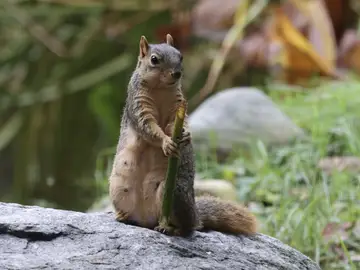
Where in Mississippi Recorded from off the southwest coast of Mississippi near southeastern Louisiana. The Museum, Texas Tech University (co-author C. H. Carter, Mississippi Museum of Natural Science); linked as a download from the MMNS Mammals Collections page Photo: gpete · CC BY 4.0 · iNaturalist Fox squirrel Sciurus niger
Where in Mississippi Occupies entire state. The Museum, Texas Tech University (co-author C. H. Carter, Mississippi Museum of Natural Science); linked as a download from the MMNS Mammals Collections page No confirmed photo of Fulvous harvest mouse Fulvous harvest mouse Reithrodontomys fulvescens
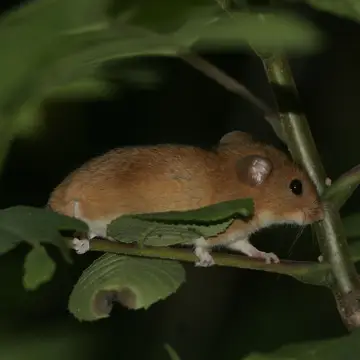
Where in Mississippi Occurs in southwestern one-half of state. The Museum, Texas Tech University (co-author C. H. Carter, Mississippi Museum of Natural Science); linked as a download from the MMNS Mammals Collections page Photo: Dan Vickers · CC BY 4.0 · iNaturalist Golden mouse Ochrotomys nuttalli
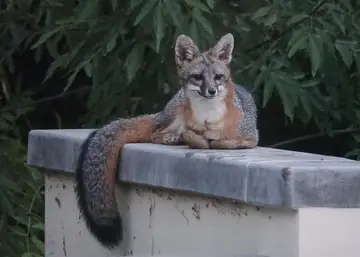
Where in Mississippi Statewide in distribution. The Museum, Texas Tech University (co-author C. H. Carter, Mississippi Museum of Natural Science); linked as a download from the MMNS Mammals Collections page Photo: Mike's Birds from Riverside, CA, US · CC BY-SA 2.0 · Wikimedia Commons · resized Gray fox Urocyon cinereoargenteus
Where in Mississippi Distributed throughout Mississippi. The Museum, Texas Tech University (co-author C. H. Carter, Mississippi Museum of Natural Science); linked as a download from the MMNS Mammals Collections page No confirmed photo of Gray myotis Gray myotis Myotis grisescens
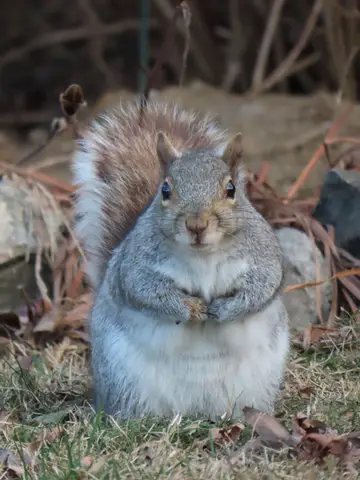
Where in Mississippi Reported only from Tishomingo County in northeastern corner of Mississippi. The Museum, Texas Tech University (co-author C. H. Carter, Mississippi Museum of Natural Science); linked as a download from the MMNS Mammals Collections page Conservation MDWFP Threatened & Endangered table: Gray Myotis (MYOTIS GRISESCENS): Global Rank G4; State Rank SH; Federal Status LE; State Status LE Photo: Mila C · CC BY 4.0 · iNaturalist Gray squirrel Sciurus carolinensis
Where in Mississippi Ranges throughout state. The Museum, Texas Tech University (co-author C. H. Carter, Mississippi Museum of Natural Science); linked as a download from the MMNS Mammals Collections page
J F M A M J J A S O N D
84 records by month. No confirmed photo of Hispid cotton rat Hispid cotton rat Sigmodon hispidus
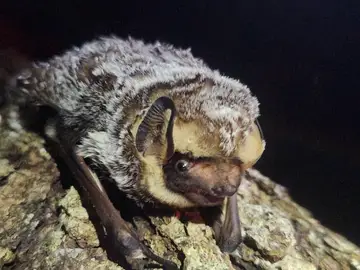
Where in Mississippi Found throughout state. The Museum, Texas Tech University (co-author C. H. Carter, Mississippi Museum of Natural Science); linked as a download from the MMNS Mammals Collections page Photo: otiegoat · CC BY 4.0 · iNaturalist Hoary bat Lasiurus cinereus
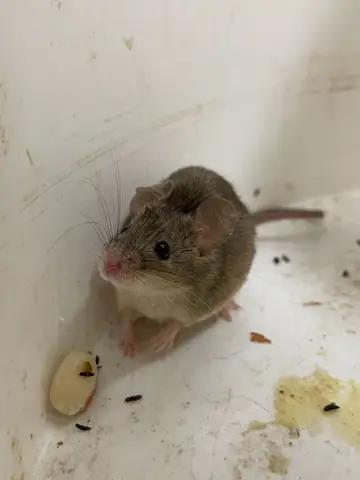
Where in Mississippi Probably occurs throughout state as a migrant. The Museum, Texas Tech University (co-author C. H. Carter, Mississippi Museum of Natural Science); linked as a download from the MMNS Mammals Collections page Conservation MDWFP Threatened & Endangered table: Hoary Bat (LASIURUS CINEREUS): Global Rank G3G4; State Rank S2?; Federal Status PS; State Status (blank) Photo: Emily Langdon-Lassagne · CC0 1.0 · iNaturalist House mouse Mus musculus
Nonnative
Where in Mississippi Distributed throughout state (including Horn Island), usually in close association with humans, but feral populations also are known. The Museum, Texas Tech University (co-author C. H. Carter, Mississippi Museum of Natural Science); linked as a download from the MMNS Mammals Collections page No confirmed photo of Indiana myotis Indiana myotis Myotis sodalis
Where in Mississippi Known only from Tishomingo County. The Museum, Texas Tech University (co-author C. H. Carter, Mississippi Museum of Natural Science); linked as a download from the MMNS Mammals Collections page Conservation MDWFP Threatened & Endangered table: Indiana or Social Myotis (MYOTIS SODALIS): Global Rank G2; State Rank S1B; Federal Status LE; State Status LE No confirmed photo of Least shrew Least shrew Cryptotis parva
Where in Mississippi Recorded from throughout state. The Museum, Texas Tech University (co-author C. H. Carter, Mississippi Museum of Natural Science); linked as a download from the MMNS Mammals Collections page No confirmed photo of Little brown myotis Little brown myotis Myotis lucifugus
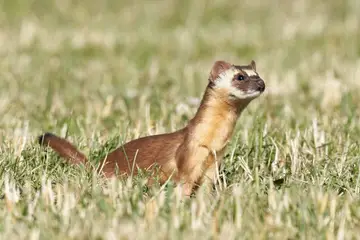
Where in Mississippi Occurs in eastern and northern parts of state. The Museum, Texas Tech University (co-author C. H. Carter, Mississippi Museum of Natural Science); linked as a download from the MMNS Mammals Collections page Photo: benjchristensen · CC BY 4.0 · iNaturalist Long-tailed weasel Mustela frenata
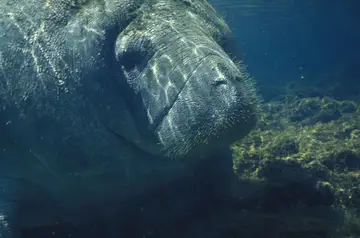
Where in Mississippi Reported from throughout state. The Museum, Texas Tech University (co-author C. H. Carter, Mississippi Museum of Natural Science); linked as a download from the MMNS Mammals Collections page Photo: Ryan Hagerty · Public domain · Wikimedia Commons Trichechus manatus
Size Adults typically 9-10 ft long and about 1,000 lb; can exceed 13 ft and 3,500 lb. Calves weigh about 60-70 lb at birth. How to recognize it Two front flippers and a large, round, flattened paddle-shaped tail Often only the snout breaks the surface when it breathes Signs on the water: a swirl, or a back, snout, tail or flipper breaking the surface Where in Mississippi Reported in waters of Harrison and Jackson counties. The Museum, Texas Tech University (co-author C. H. Carter, Mississippi Museum of Natural Science); linked as a download from the MMNS Mammals Collections page Conservation MDWFP Threatened & Endangered table: Manatee (TRICHECHUS MANATUS): Global Rank G2; State Rank S1N; Federal Status LT; State Status LE Full Manatee guide
No confirmed photo of Marsh rice rat Marsh rice rat Oryzomys palustris
Where in Mississippi Ranges throughout state. The Museum, Texas Tech University (co-author C. H. Carter, Mississippi Museum of Natural Science); linked as a download from the MMNS Mammals Collections page No confirmed photo of Meadow jumping mouse Meadow jumping mouse Zapus hudsonius
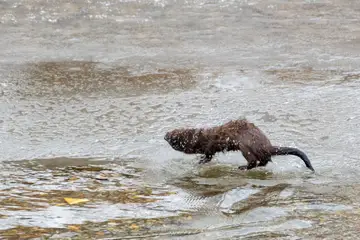
Where in Mississippi Recorded only from Alcorn County (Kennedy et al., 1982). The Museum, Texas Tech University (co-author C. H. Carter, Mississippi Museum of Natural Science); linked as a download from the MMNS Mammals Collections page Conservation MDWFP Threatened & Endangered table: Meadow Jumping Mouse (ZAPUS HUDSONIUS): Global Rank G5; State Rank S1; Federal Status PS; State Status (blank) Photo: Richard Littauer · CC BY 4.0 · iNaturalist Mink Mustela vison
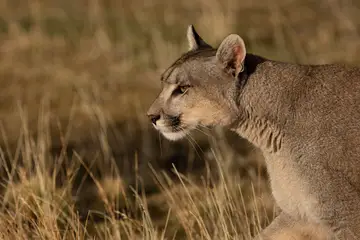
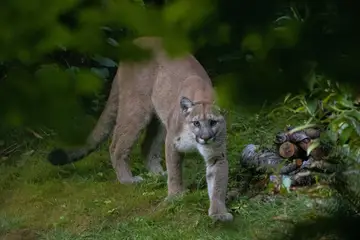
Where in Mississippi Ranges across entire state. The Museum, Texas Tech University (co-author C. H. Carter, Mississippi Museum of Natural Science); linked as a download from the MMNS Mammals Collections page Photo: ArgentinaTurismo · CC BY 4.0 · Wikimedia Commons Felis concolor
Size Total length 5 to 8.5 feet including a 21 to 37.5 inch tail; males 79 to 265 lb, females 64 to 141 lb (Missouri Department of Conservation). How to recognize it Very large, slender cat with a small head, small rounded ears without tufts and a long, heavy tail. The tail may be one-third of the total length; much larger than a bobcat or lynx. Tracks: 2.75 to 3.75 inches wide, three lobes at the bottom of the heel pad, claw marks usually absent. Where in Mississippi Once ranged throughout most of state. The subspecies was F. c. coryi Bangs, 1896. The Museum, Texas Tech University (co-author C. H. Carter, Mississippi Museum of Natural Science); linked as a download from the MMNS Mammals Collections page Conservation MDWFP Threatened & Endangered table: Florida Panther (PUMA CONCOLOR CORYI): Global Rank G5T1; State Rank SX; Federal Status LE; State Status LE Full Mountain lion guide
Photo: Ken Clark · CC BY 4.0 · iNaturalist Muskrat Ondatra zibethicus
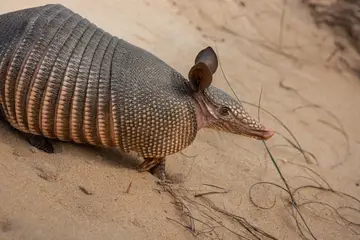
Where in Mississippi Occurs in suitable aquatic habitats in most of state, including Horn Island. The Museum, Texas Tech University (co-author C. H. Carter, Mississippi Museum of Natural Science); linked as a download from the MMNS Mammals Collections page Photo: MartinKlippel · CC BY-SA 4.0 · Wikimedia Commons · resized Dasypus novemcinctus
Size Cat-sized: 15-17 in long not counting the tail, 8-17 lb (FWC); 24-32 in including a 9.5-14.5 in tail (UGA). How to recognize it Bony skin plates that form a shell, which make it easy to identify Long scaly tail, deer-like ears, long pig-like snout Tail encased in 12 bony rings; no canine or incisor teeth Where in Mississippi Reported from everywhere except extreme northeastern corner of state. The Museum, Texas Tech University (co-author C. H. Carter, Mississippi Museum of Natural Science); linked as a download from the MMNS Mammals Collections page Full Nine-banded armadillo guide
No confirmed photo of Northern myotis Northern myotis Myotis septentrionalis
Where in Mississippi Recorded only from Tishomingo County. The Museum, Texas Tech University (co-author C. H. Carter, Mississippi Museum of Natural Science); linked as a download from the MMNS Mammals Collections page No confirmed photo of Northern yellow bat Northern yellow bat Lasiurus intermedius
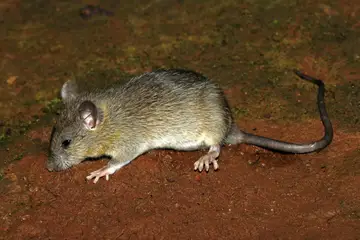
Where in Mississippi Known from the southern one-fourth of state. The Museum, Texas Tech University (co-author C. H. Carter, Mississippi Museum of Natural Science); linked as a download from the MMNS Mammals Collections page Photo: Biswarup Ganguly · CC BY 3.0 · Wikimedia Commons Norway rat Rattus norvegicus
Nonnative
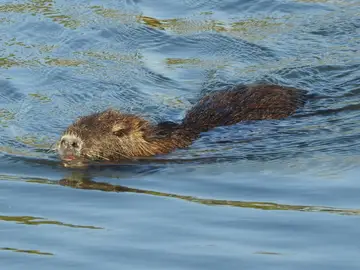
Where in Mississippi Common in and near human habitations in state and on Horn Island. The Museum, Texas Tech University (co-author C. H. Carter, Mississippi Museum of Natural Science); linked as a download from the MMNS Mammals Collections page Photo: Sam Kieschnick · CC BY 4.0 · iNaturalist Myocastor coypus
Nonnative
Size Body 47 to 61 cm (about 1.5 to 2 ft) plus a tail of about 37 to 41 cm (USGS). Males reach about 20 lb and females 18 lb (USGS). CDFW: up to 2.5 ft body length, 12 to 18 inch tail, 20+ lb. How to recognize it White whiskers and a large, round, sparsely haired tail. Large dark-orange front teeth (incisors). Hind feet webbed on four of five toes. Where in Mississippi Found in aquatic habitats throughout state; also on Horn Island. The Museum, Texas Tech University (co-author C. H. Carter, Mississippi Museum of Natural Science); linked as a download from the MMNS Mammals Collections page Full Nutria guide
No confirmed photo of Oldfield mouse Oldfield mouse Peromyscus polionotus
Where in Mississippi Known from Lowndes, Tishomingo, Jasper, and Lauderdale counties. The Museum, Texas Tech University (co-author C. H. Carter, Mississippi Museum of Natural Science); linked as a download from the MMNS Mammals Collections page Conservation MDWFP Threatened & Endangered table: Oilfield Mouse (PEROMYSCUS POLIONOTUS): Global Rank G5; State Rank S2; Federal Status PS; State Status (blank) No confirmed photo of Pygmy sperm whale Pygmy sperm whale Kogia breviceps
Where in Mississippi Known from Mississippi Sound off Belle Fontaine Beach (Anonymous, 1984). The Museum, Texas Tech University (co-author C. H. Carter, Mississippi Museum of Natural Science); linked as a download from the MMNS Mammals Collections page Photo: Marco Antonino Ramos Rodríguez · CC BY-SA 4.0 · Wikimedia Commons · resized Raccoon Procyon lotor
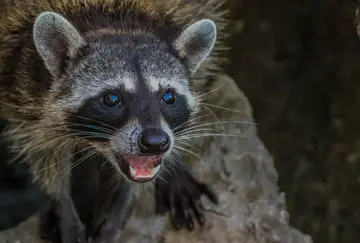
Where in Mississippi Ubiquitous throughout state, including Horn Island. The Museum, Texas Tech University (co-author C. H. Carter, Mississippi Museum of Natural Science); linked as a download from the MMNS Mammals Collections page
J F M A M J J A S O N D
99 records by month. No confirmed photo of Rafinesque's big-eared bat Rafinesque's big-eared bat Plecotus rafinesquii
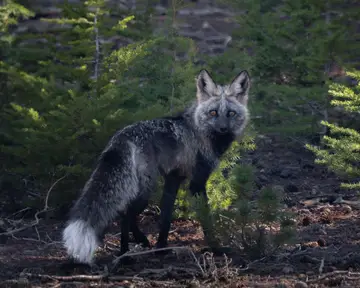
Where in Mississippi Statewide in occurrence. The Museum, Texas Tech University (co-author C. H. Carter, Mississippi Museum of Natural Science); linked as a download from the MMNS Mammals Collections page Photo: David Willingham · CC BY 4.0 · iNaturalist Red fox Vulpes vulpes
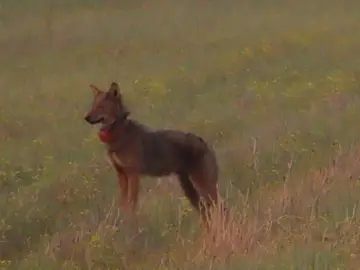
Where in Mississippi Occurs throughout state. The Museum, Texas Tech University (co-author C. H. Carter, Mississippi Museum of Natural Science); linked as a download from the MMNS Mammals Collections page Photo: Katie Gipson · CC BY 4.0 · iNaturalist Red wolf Canis rufus
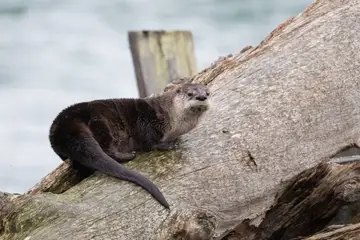
Where in Mississippi Once ranged throughout state. The Museum, Texas Tech University (co-author C. H. Carter, Mississippi Museum of Natural Science); linked as a download from the MMNS Mammals Collections page Photo: Adam Jackson · CC0 1.0 · iNaturalist River otter Lutra canadensis
Where in Mississippi Reported from suitable aquatic habitats in most of state. The Museum, Texas Tech University (co-author C. H. Carter, Mississippi Museum of Natural Science); linked as a download from the MMNS Mammals Collections page Photo: Davidvraju · CC0 · Wikimedia Commons Roof rat Rattus rattus
Nonnative
Where in Mississippi Widespread throughout state, including Horn Island; sometimes found in and around human habitations in rural settings. The Museum, Texas Tech University (co-author C. H. Carter, Mississippi Museum of Natural Science); linked as a download from the MMNS Mammals Collections page No confirmed photo of Sei whale Sei whale Balaenoptera borealis
Where in Mississippi Reported from Gulfport Harbor. The Museum, Texas Tech University (co-author C. H. Carter, Mississippi Museum of Natural Science); linked as a download from the MMNS Mammals Collections page No confirmed photo of Seminole bat Seminole bat Lasiurus seminolus
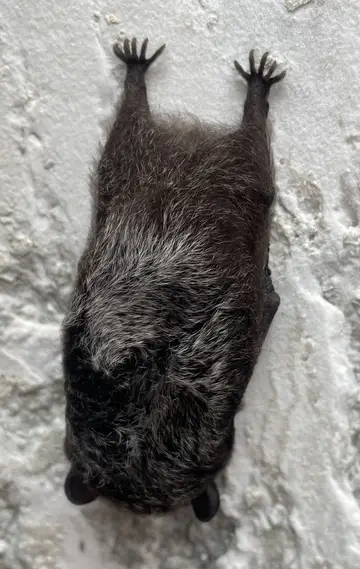
Where in Mississippi Ranges throughout state. The Museum, Texas Tech University (co-author C. H. Carter, Mississippi Museum of Natural Science); linked as a download from the MMNS Mammals Collections page Photo: Sam Kieschnick · CC BY 4.0 · iNaturalist Silver-haired bat Lasionycteris noctivagans
Where in Mississippi Although known only from a single specimen (Carter et al., 1987), probably ranges throughout northern two-thirds of state as a migrant. The Museum, Texas Tech University (co-author C. H. Carter, Mississippi Museum of Natural Science); linked as a download from the MMNS Mammals Collections page No confirmed photo of Southeastern myotis Southeastern myotis Myotis austroriparius
Where in Mississippi Probably ranges throughout state. The Museum, Texas Tech University (co-author C. H. Carter, Mississippi Museum of Natural Science); linked as a download from the MMNS Mammals Collections page No confirmed photo of Southeastern shrew Southeastern shrew Sorex longirostris
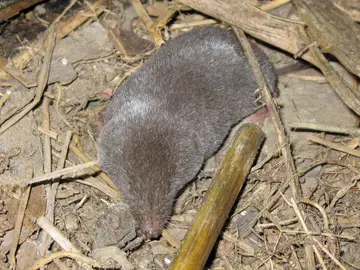
Where in Mississippi Ranges throughout state. The Museum, Texas Tech University (co-author C. H. Carter, Mississippi Museum of Natural Science); linked as a download from the MMNS Mammals Collections page Photo: Greg Schechter from San Francisco, USA · CC BY 2.0 · Wikimedia Commons Southern short-tailed shrew Blarina carolinensis
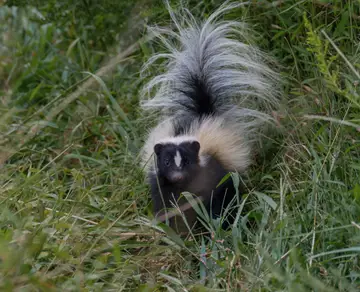
Where in Mississippi Known from across Mississippi. The Museum, Texas Tech University (co-author C. H. Carter, Mississippi Museum of Natural Science); linked as a download from the MMNS Mammals Collections page Photo: Mirko Schoenitz · CC0 1.0 · iNaturalist Striped skunk Mephitis mephitis
Where in Mississippi Known from throughout state. The Museum, Texas Tech University (co-author C. H. Carter, Mississippi Museum of Natural Science); linked as a download from the MMNS Mammals Collections page No confirmed photo of Swamp rabbit Swamp rabbit Sylvilagus aquaticus
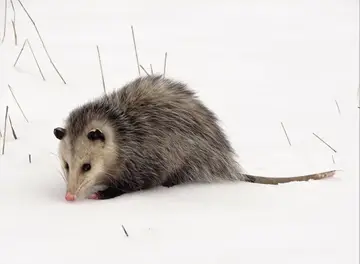
Where in Mississippi Found throughout state, including Horn Island. The Museum, Texas Tech University (co-author C. H. Carter, Mississippi Museum of Natural Science); linked as a download from the MMNS Mammals Collections page Photo: Shirley Zundell · CC BY 4.0 · iNaturalist Didelphis virginiana
Size Weighs 4 to 7 lb and stands 6 to 8 inches high at the shoulder (South Carolina DNR); about the size of a house cat How to recognize it Long pointed nose, black hairless ears, dark eyes, nearly hairless grasping (prehensile) tail Long scaly tail and a pointed snout ending in a pink nose Opposable thumb-like big toe (hallux) on each hind foot Where in Mississippi Occurs throughout Mississippi. The Museum, Texas Tech University (co-author C. H. Carter, Mississippi Museum of Natural Science); linked as a download from the MMNS Mammals Collections page
J F M A M J J A S O N D
49 records by month. Full Virginia opossum guide
No confirmed photo of White-tailed deer White-tailed deer Odocoileus virginianus
Where in Mississippi Distributed throughout state. The Museum, Texas Tech University (co-author C. H. Carter, Mississippi Museum of Natural Science); linked as a download from the MMNS Mammals Collections page
J F M A M J J A S O N D
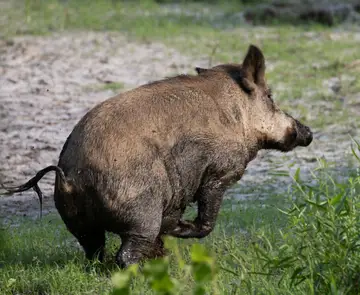
152 records by month. Photo: Cullen Hanks · CC BY 4.0 · iNaturalist Sus scrofa
Invasive
Danger to people “The destructive habits and health risks caused by wild hogs have been a growing concern since their introduction.” MDWFP Size Adults average 75 to 250 pounds, but some get twice as large. They can stand up to 3 feet tall and reach 5 feet long, and males (boars) are larger than females (sows). FWC says Florida wild hogs can weigh more than 150 pounds and be 5 to 6 feet long. Ohio State Extension says Ohio adults typically weigh 125 to 200 pounds. How to recognize it Look much like domestic hogs but are generally thinner, with thicker hides of coarse, bristly hair and longer tusks Four continuously growing tusks, 2 on top and 2 below Russian (Eurasian) boar type: long, straight, narrow snout; dark-colored or camouflage coat; light-tipped bristles Where in Mississippi Populations of pigs, derived from domestic animals that became feral and from animals introduced for hunting, occur in various places in Mississippi, including Horn … The Museum, Texas Tech University (co-author C. H. Carter, Mississippi Museum of Natural Science); linked as a download from the MMNS Mammals Collections page Full Wild pig guide
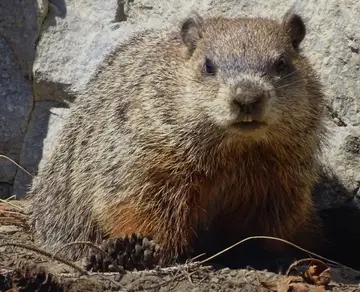
Photo: Shirley Zundell · CC BY 4.0 · iNaturalist Woodchuck Marmota monax
Where in Mississippi Occurs at scattered localities in northern one-half of state. The Museum, Texas Tech University (co-author C. H. Carter, Mississippi Museum of Natural Science); linked as a download from the MMNS Mammals Collections page No confirmed photo of Woodland vole Woodland vole Microtus pinetorum
Where in Mississippi Ranges throughout state except in extreme southeastern part. The Museum, Texas Tech University (co-author C. H. Carter, Mississippi Museum of Natural Science); linked as a download from the MMNS Mammals Collections page Mammals people confuse Nutria or American beaver? Beavers have a wide, flat tail and dark whiskers and reach up to 60 pounds; nutria have a round, sparsely haired tail and white whiskers.
Nutria or Muskrat? Muskrats have dark whiskers, a nearly triangular (side-flattened) tail and weigh at most 5 pounds. CDFW says most nutria reports it receives are actually muskrats.
Mountain lion or Bobcat? Bobcats are smaller with short tails and are streaked and spotted with black; mountain lions are uniformly colored with a long tail. Bobcat tracks are under 2 inches wide.
Bobcat or Domestic cat? TWRA says the domestic cat is smaller, usually has a longer tail and is not spotted with black. NCWRC says a bobcat is about twice as large, and South Carolina DNR says its legs are longer. Tracks of young bobcats are easily confused with house cat tracks (Missouri).
Photos show typical adults; individuals vary. Never get close to compare.
When mammals are active in Mississippi Records of mammals in Mississippi peak in January, March to April, August and November to December. They show when people record mammals, not how many there are (about month bars ).
Jan Feb Mar Apr May Jun Jul Aug Sep Oct Nov Dec
932 records of mammals in Mississippi by month (GBIF, CC0 and CC BY records). If you are bitten or stung Call 911 or Poison Help at 1-800-222-1222 right away. Poison Help connects you to your local poison center, any time of day.
Official advice from MDWFP:
If you meet a bear, enjoy it from a distance, do not approach, and back away slowly; do not run. MDWFP Never handle bats; after physical contact with a bat, call the Mississippi State Department of Health. MDWFP How to report Bear problems or sightings, and nuisance-animal guidance: MDWFP Wildlife Bureau (601) 432-2199. Nuisance animal technical guidance is also available from USDA Wildlife Services (MS) (662) 325-3014. Coastal invasive species: MDMR Invasive Species Coordinator (228) 523-4113. Sawfish sightings: 1-844-4SAWFISH. MDWFP
What official sources say Are there bears in Mississippi? Yes. Two black bear subspecies: American black bear in the northern third, Louisiana black bear in the southern two-thirds; both state-endangered. MDWFP
“Mississippi is home to two subspecies of black bears.” Are there mountain lions (panthers) in Mississippi? The 1989 checklist says the mountain lion "once ranged throughout most of state"; the MDWFP T&E table gives the Florida panther a State Rank of SX. No official source here reports a current population. MDWFP
“Florida Panther PUMA CONCOLOR CORYI G5T1 SX LE LE” Sources About Us . Mississippi Department of Wildlife, Fisheries, and Parks (MDWFP). undated page; checked November 3, 2026. Annotated Checklist of the Recent Mammals of Mississippi (Jones and Carter; Occasional Papers, The Museum, Texas Tech University, No. 128) . The Museum, Texas Tech University (co-author C. H. Carter, Mississippi Museum of Natural Science); linked as a download from the MMNS Mammals Collections page. published 1989-06-30; checked November 3, 2026. Quoted passages (3) “A total of 70 species is included in this checklist.” “Canis latrans (coyote).-Recorded from every county of state since first reported (Paradiso, 1966).” “Dasypus novemcinctus (nine-banded armadillo).-Reported from everywhere except extreme northeastern corner of state.” Living with Bears . Mississippi Department of Wildlife, Fisheries, and Parks (MDWFP). undated page; checked November 3, 2026. Quoted passages (2) “Bears that no longer have a fear of humans can become extremely dangerous.” “If you encounter a bear in the outdoors, enjoy from a distance; do not approach.” Black Bear Program . Mississippi Department of Wildlife, Fisheries, and Parks (MDWFP). undated page; checked November 3, 2026. Quoted passages (2) “If you are experiencing problems involving black bears or want to report a recent bear sighting, please contact MDWFP at (601) 432-2199.” “Mississippi is home to two subspecies of black bears.” Wild Hog Program . Mississippi Department of Wildlife, Fisheries, and Parks (MDWFP). undated page; checked November 3, 2026. Quoted passages (1) “The destructive habits and health risks caused by wild hogs have been a growing concern since their introduction.” Bats and rabies fact sheet . Mississippi Museum of Natural Science (MDWFP). 2019; checked November 3, 2026. Quoted passages (2) “Less than 0.5% of bats carry rabies, but in the U.S. approximately 1 person dies per year of rabies contracted from a bat” “If you have come into physical contact with a bat, call the Mississippi Health Department immediately at: 601-576-7588” Mammals (Mississippi Threatened & Endangered Species) . Mississippi Museum of Natural Science (MDWFP). undated page; checked November 3, 2026. Quoted passages (1) “Florida Panther PUMA CONCOLOR CORYI G5T1 SX LE LE” GBIF.org occurrence records, human observations licensed CC0 1.0 or CC BY 4.0 only, accessed November 3, 2026. The datasets behind these counts are listed on our Sources page.